
Myth: Solar Panel Installation is Only for Big Homes
Share:
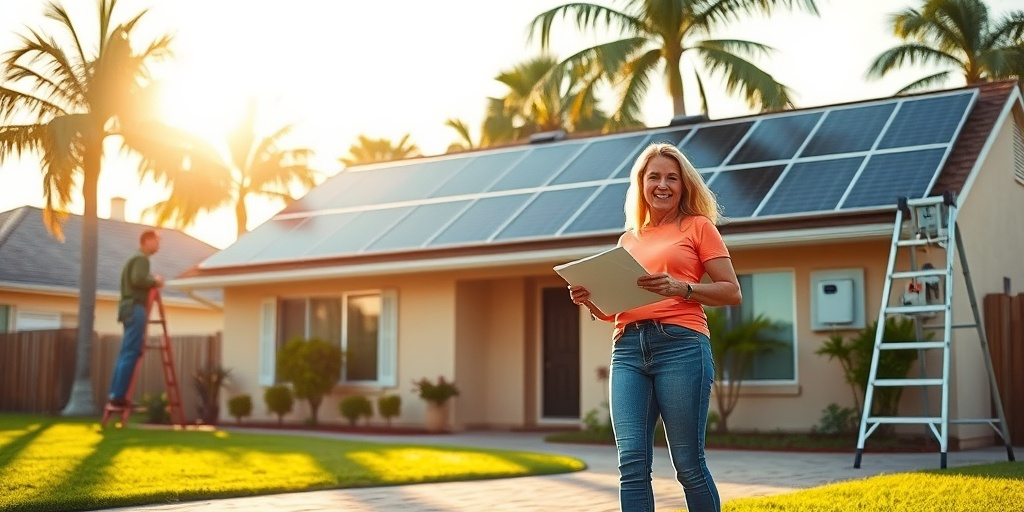
Did you know that nearly 70% of Florida homeowners think solar panels are only for big homes? This common myth can cost lifestyle improvements and savings. In reality, the benefits of solar energy are accessible to everyone, regardless of your home’s size. Welcome to our blog titled Myth: Solar Panel Installation is Only for Big Homes. Here, we will debunk this misleading notion and show you how even smaller residences can significantly benefit from going solar. The fact that around 61% of Floridians are unaware that they can go solar on smaller or medium-sized rooftops is a concern as we move into 2025, where rising energy costs and increased reliance on renewable energy solutions will make solar more essential than ever (SEIA.org). With incentives and financing options expanding, the urgency to embrace solar power couldn’t be clearer. In this article, we’ll explore five key sections that challenge the misconception of solar technology being exclusive to larger homes: a deep dive into the practical benefits through an enlightening case study, an actionable checklist for homeowners considering solar, a comprehensive myth-buster section, current Florida-specific solar insights, and critical technical aspects of solar technology.
Case Study: Lisa’s Solar Success with a Smaller Home
Meet Lisa, a long-time Florida resident who lives in a charming bungalow just outside Miami. For the longest time, she believed that solar panels were reserved exclusively for sprawling estates. However, her recent struggles with rising electric bills, which had climbed 20% over the last three years, drove her to dig deeper into the solar energy landscape. Lisa’s journey into solar energy showcases how even smaller homes can generate significant energy savings while contributing positively to the environment.
- With an average monthly electric bill of $300, Lisa was determined to find a solution to reduce her costs.
- After researching solar options, she discovered that even her modest roof had enough space to host a solar panel system designed to offset her energy usage.
- Combining Florida-specific tax incentives, she realized that installing a solar system could indeed be an economically viable option.
Through careful planning and by choosing a solar provider specializing in small homes, Lisa was able to install a 5 kW solar system. This installation not only covered most of her energy costs but led her to generate excess energy that she could sell back to the grid. Over the course of her first year, she saved approximately $2,500 and felt empowered to “own her power.” By 2025, this savings could increase, considering the expected rise in utility rates. Lisa’s experience is a testament to how solar installations are feasible even for smaller homes, allowing homeowners to harness renewable energy effectively.
In Florida, a state rich in solar resources, there are many considerations to heed. First, check for any local incentives, as the opportunity to reduce installation costs varies by region. Also, be aware of your home’s orientation and shading, which play crucial roles in the efficiency of solar panels. Ultimately, Lisa’s success story emphasizes that solar energy is an opportunity open to all homeowners, making it indispensable in today’s energy-shifting landscape.
Lisa’s journey prompts us to explore deeper insights into how smaller homes can effectively integrate solar technology. What are the critical steps involved in this process? The upcoming checklist will guide you through actionable steps to determine your readiness for solar adoption.
Checklist: Steps to Evaluate Your Solar Suitability
Wondering if your home is right for a solar installation? Below are five essential steps to assess your solar readiness, no matter the size of your residence. By following this checklist, you’ll be better positioned to navigate the solar landscape with confidence.
- Step 1: Audit Your Electric Bill
This first step allows you to understand your current energy usage, which is crucial for determining the right solar system size. Gather your past electric bills to find yearly consumption data. If your monthly electric bill averaged $250 over the past year, knowing this figure will help you assess solar potential. - Step 2: Evaluate Roof Space and Condition
Check your roof’s condition and available space. Small homes can often make use of sunlit areas, such as garage roofs. Ensure your roof can support solar panels without structural concerns and that it’s free of major obstructions like chimneys or trees. - Step 3: Research Local Incentives
Florida offers various programs to incentivize solar energy adoption. Federal tax credits provide up to 26% back on installation costs. Look for additional state or municipal programs to maximize these savings (Energy.gov). - Step 4: Seek Consultations with Expert Providers
Consult reputable solar providers to assess your home’s solar potential accurately. They’ll offer insights into system type and size. Look for companies with positive reviews and a strong track record in the solar industry. - Step 5: Consider Financing Options
Explore your financing choices. Many Florida homeowners find solar loans or leases accessible. Understanding financial obligations will help you own your power sustainably.
Each of the steps in this checklist works together as a decisive guide in your journey toward solar energy adoption in 2025. Don’t overlook the feasibility of solar energy in smaller homes—many Florida homeowners find transformative benefits when they measure potential accurately.
Myth-Buster: Overcoming Misconceptions About Solar Energy for Smaller Homes
In addressing the myth that only larger homes can reap solar energy benefits, it’s essential to tackle a series of common misconceptions head-on. Let’s break down some prevalent myths regarding solar installations.
- Myth #1: Small Homes Can’t Generate Enough Energy
Many believe that only larger homes or estates have sufficient rooftop space for solar panels. However, using modern technology, even compact systems can significantly alleviate electric costs, providing substantial savings for smaller homes. - Myth #2: Installation Costs Are Too High
A prevailing concern is that the initial investment for solar panels prevents homeowners from pursuing this green energy option. Yet, creative financing, regional incentives, and growing competition have driven down installation costs, making the journey toward solar power increasingly attainable (SolarReviews.com). - Myth #3: Solar Power Is Unreliable in Florida
Some skeptics argue about solar power’s reliability when considering unpredictable weather or seasonal variations. Historically, Florida ranks among the top states for solar potential, enjoying over 250 sunny days each year, which supports consistent solar energy generation. - Myth #4: Solar Panels Require Too Much Maintenance
Contrary to popular belief, solar panels are low-maintenance systems. Regular cleaning and periodic inspections can suffice, making them a sound investment for busy homeowners. - Myth #5: You Need a South-Facing Roof for Solar Panels
Often people think only south-facing roofs are suitable for solar panels. In reality, east- and west-facing roofs can still generate impressive energy outputs, particularly when combined with advanced solar technology.
As we debunk these myths, we foster a greater understanding of the accessibility and user-friendliness of solar energy solutions for all Florida homeowners, from bungalows to mansions. Dispelling misconceptions is critical for opening doors to wider solar adoption and reaping the rewards it can bring…
Florida-Specific Insights on Solar Energy – What You Need to Know
When considering solar energy, Florida homeowners should focus on the unique features the state provides in terms of regulations, savings, and available programs. Recent data indicates that the Solar Energy Industries Association reported that Florida currently ranks third in the nation for installed solar capacity, amounting to close to 3,000 megawatts (SEIA.org).
Here are some key insights into the solar landscape in Florida:
- Net Metering Benefits:
Florida offers net metering, allowing homeowners to receive credits for excess energy fed back into the grid, effectively lowering future utility bills. - Rooftop Solar Initiatives:
The state has implemented various incentive programs designed to increase rooftop solar adoption. These initiatives can significantly offset installation costs for smaller homeowners. - Hurricane Season Preparedness:
Given the state’s susceptibility to severe weather, homeowners are encouraged to install solar systems designed with hurricane resistance to protect both their energy investment and property. - Community Solar Programs:
Various regions in Florida offer community solar options—where individuals can purchase shares in solar farms. This gives those with inadequate roof space or rental properties access to solar power benefits. - Green Power Partnership:
Through programs like the Florida Green Power Partnership, residents are incentivized by local utility providers to engage in renewable energy, often leading to cheaper electric bills.
Understanding these Florida-specific insights will further empower homeowners to confidently pursue solar energy solutions, contributing to a sustainable future. The information gathered can drive deeper investment decisions that directly impact energy expenses. Now that we’ve covered crucial local insights, let’s shift our focus to the technological aspects of solar installations.
Technical Deep-Dive: Understanding Solar Technology
Now that you are informed about the practical side of solar energy, let’s delve into the technical aspects worth considering when opting for solar installations, especially for smaller homes. The pivotal components involved in solar systems and how they operate will illuminate how technology benefits you.
The major components of a solar energy system include:
- Solar Panels:
These capture sunlight and convert it into electricity. Smaller homes can often effectively utilize compact panel designs to maximize available roof space. - Inverters:
The inverter converts the direct current (DC) generated by solar panels into alternating current (AC), which powers most household appliances. Microinverters are particularly beneficial for smaller systems, enhancing energy conversion efficiency. - Battery Storage Systems:
With technologies improving rapidly, battery systems are increasingly viable for storing excess energy produced during peak sunlight hours, thus ensuring power availability during the night or cloudy days. - Smart Meters and Monitoring Devices:
These high-tech features enable users to monitor energy production and consumption in real-time, allowing homeowners to optimize their solar energy use for maximum impact.
Additionally, it’s essential to consider the impact of regulatory changes in 2025 that may influence incentives and program availability in Florida. The federal solar tax credit, which allows homeowners to deduct a substantial percentage of solar installation costs from their taxes, is crucial for reducing upfront investments. Monitoring legislative changes in your specific county can ensure that you are continually taking advantage of available savings.
As we conclude this detailed technical overview, it’s clear that solar technology is advancing rapidly. This evolution not only makes solar feasible for all sizes of homes but also translates into compelling energy savings.
Next Steps for Florida Solar Buyers in 2025
If you’re considering going solar, there are essential steps to take to streamline the process and reduce the friction often associated with solar installations. Here’s a solid action plan you can follow:
- Step 1: Conduct a Home Energy Audit
Take the time to assess your energy habits and determine your annual energy consumption. This will provide a benchmark for deciding the solar system size you will need. Additionally, identify energy-efficient practices that can complement your solar installation. - Step 2: Consult with Solar Experts
Reach out to solar installers in your area for consultations. They can provide assessments tailored to your specific roofing conditions, local incentives, and energy production estimates. - Step 3: Evaluate Financing Options
Explore available financing programs that fit your budget. Always ensure you understand the terms of any loans or leases before signing on to any financing agreements. - Step 4: Get Multiple Quotes
Avoid sticking to the first contractor you meet. Seeking multiple estimates will offer a better understanding of costs and services available, and could save you thousands. - Step 5: Finalize the Installation
Choose the contractor that fits your needs best and ensures complete transparency in the installation process. After installation, monitor your system’s performance regularly to ensure it reaches its full potential.
Following these actionable steps will significantly reduce any friction or hesitance in your journey toward harnessing solar energy effectively. For additional resources on solar energy solutions, check out floridaelectricandsolar.com for comprehensive information.
As we wrap up this in-depth exploration of solar energy for Florida homeowners, it’s time to reflect on the insights we’ve gained. Dispelling myths about solar panel installations offers clarity and empowers more homeowners to consider this sustainable energy alternative. With rising energy costs just around the corner and a plethora of available incentives, there has never been a more opportune moment to use solar energy effectively. The benefits of going solar extend beyond financial savings. Embracing this shift means investing in a more sustainable future for your family and the environment. We invite you to take the first steps toward solar energy today.
Ready to start your solar journey in 2025? Connect with a certified expert at floridaelectricandsolar.com today.
Related Articles
More insights about Solar Panel

Florida Homeowners: Why Solar Panel Maintenance Is Essential

7 Essential Steps for Solar Panel Installation Success

Expert Insights: Key Factors Influencing Solar Panel Lifespan
Ready to Go Solar?
Have questions about solar energy? Our experts are here to help you make the switch to clean, renewable energy.