
Myth: Solar Panel Installation Guarantees Energy Independence
Share:
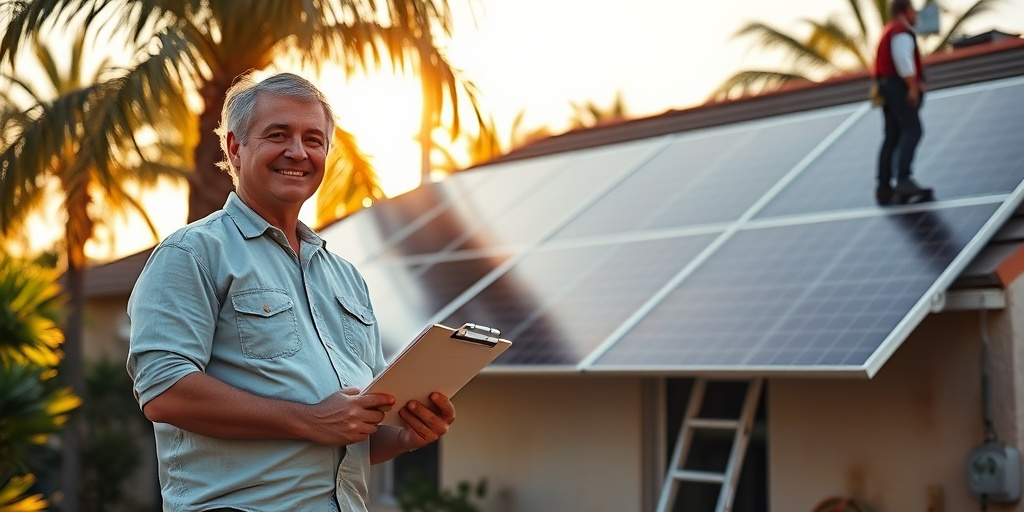
Imagine standing in your backyard on a sunny Florida day, feeling the warmth of the sun on your skin while knowing your home is powered by energy harnessed directly from that sun. It’s a dream many Florida homeowners envision when they think about solar energy. Yet, there is a prevailing myth in the solar community that needs to be addressed: the notion that **solar panel installation guarantees energy independence**. This belief is misleading and can lead to disappointment for those who put their faith solely in it. In this article, titled “Myth: Solar Panel Installation Guarantees Energy Independence,” we will delve into the realities of solar power and clarify what true energy independence means in 2025.
In a state renowned for its abundant sunshine, solar panel installations have surged, driven by a collective desire to cut electric bills and embrace renewable energy. However, it’s essential to understand that while solar can significantly reduce utility costs, it does not automatically assure you a life free from energy dependency. For instance, while 76% of Florida’s solar installations are residential, indicating strong homeowner interest (SEIA.org), many of these systems are grid-tied and still reliant on traditional power sources during certain conditions. Moreover, Florida’s average residential electricity prices are projected to increase by 3.1% year-over-year until 2025 (Energy.gov), compounding the urgency for homeowners to clarify their expectations about energy independence.
Throughout this article, we will explore the following five sections:
1. In-depth understanding of how solar installations work and common misconceptions.
2. A practical checklist for determining what energy independence truly means.
3. An analysis of myths surrounding solar energy with factual debunking.
4. An exploration of Florida’s unique landscape of solar energy opportunities and challenges.
5. A tactical plan for Florida homeowners and business owners looking to navigate the solar landscape in 2025.
Our goal is to empower Florida homeowners to make informed decisions and clarify the true benefits of going solar. By the end of this article, you will have a clearer understanding of the realities behind solar power and how to leverage it effectively for your home or business.
Understanding Solar Energy: What You Need to Know About Installation & Independence
When considering solar energy, it’s vital to address the common misconception that installation automatically leads to energy independence. While solar panels do provide a renewable source of energy, they don’t inherently eliminate your reliance on the grid. For many homeowners, their solar energy systems are often interconnected with the traditional electric grid, allowing them to draw electricity from both sources based on their needs.
Take the case of the Williams family, who live in Tallahassee, Florida. Eager to embrace sustainable energy, they invested in a solar panel system that covered their entire roof. Like many, they believed they would enjoy complete energy independence. However, after a summer filled with afternoon thunderstorms, they realized that their solar production fluctuated, often not sufficient to power their entire household. During cloudy days or at night, they were still drawing from the grid, which made them feel vulnerable to rising utility rates.
- Assess Your Energy Needs: Understand your energy consumption patterns. Review your monthly utility bills. This step provides insight into how much energy you need on a consistent basis.
- Choose the Right System: Not all systems guarantee energy independence. Consider battery storage options to harness excess solar energy for nighttime use.
- Monitor Your Production: Keep an eye on how much energy your system produces through apps and dashboards for transparent management.
- Understand Your Grid Connection: Knowledge of your agreement with your utility provider can determine how much energy you may still require from the grid.
- Stay Educated About Local Policies: Familiarize yourself with local tax incentives and net metering rules that could impact your overall energy independence.
In Florida, solar panels are subject to specific regulations. As of 2023, the state offers a sales tax exemption for solar installation (SolarReviews.com). This makes investing in solar systems more appealing to homeowners. However, many still remain connected to the grid, relying on it during times of low sunlight.
In summary, solar energy can dramatically reduce utility costs and promote sustainability, but it’s essential to understand how these systems integrate with the existing electric infrastructure. True energy independence comes from careful planning and an informed approach to electricity management. This revelation paves the way to challenge common myths around solar energy installations.
Debunking Myths: The Truth About Energy Independence
As the solar industry continues to grow, so too do misconceptions surrounding its capabilities. Let’s explore some common myths around solar installations and uncover the realities behind them.
- Myth #1: Solar Panels Eliminate All Energy Bills: While solar panels can significantly reduce or even eliminate certain costs, homeowners may still face grid usage fees. This is particularly true for homes without battery backup systems, as they must resort to the grid during adverse weather or at night (DSIREUSA.org).
- Myth #2: All Solar Energy Systems Operate Independently: Most residential solar systems are grid-tied to ensure a reliable power supply when sunlight is insufficient, meaning that while they provide renewable energy, they also maintain a dependency on traditional power sources.
- Myth #3: Solar Energy is Only Cost-Effective in Sunny States: Contrary to popular belief, solar panels can work effectively even in less-than-sunny locations due to advancements in technology and panel efficiency. Even Florida’s rainy days provide higher efficiency than many might expect.
- Myth #4: Solar Panels Require Too Much Maintenance: In reality, solar panels require minimal upkeep. Regular cleaning and infrequent inspections usually suffice, making them a convenient energy solution for busy homeowners.
- Myth #5: You Have to Buy Your Solar Panels Outright: Solar financing options allow for more flexibility. Programs such as Power Purchase Agreements (PPAs) or solar leases let customers access solar energy without high upfront costs, making it feasible for many homeowners (Energy.gov).
These myths can create confusion and ultimately hinder homeowners’ ability to make an informed decision about their energy future. In Florida, where heat waves and storms can impact energy consumption, recognizing the realities behind solar installations is critical. If you’re considering going solar, keep in mind that understanding your system’s capabilities and limitations can empower you to make the right choices.
The Florida Landscape: Opportunities and Challenges for Solar Users
Florida is known as the Sunshine State, but what does that mean for solar energy opportunities? With abundant sun and a supportive policy environment, Florida offers a fertile ground for solar growth. However, there are unique challenges that homeowners must consider before diving in.
Consider the case of a Clearwater business owner who recently transitioned to solar energy. Upon installing a solar array, they experienced a significant drop in utility costs—their monthly bills reduced by 40%. While this was a major win, they quickly learned that the upfront investment for a robust battery storage system would be necessary to achieve true energy independence. Without it, their operations were still vulnerable on cloudy days.
Here are several considerations for Florida homeowners thinking about solar energy:
- Understand State Incentives: Florida continues to offer various incentives for solar, including property tax exemptions and rebates for battery installations, which can ease the financial burden of going solar.
- Analyze Local Utility Policies: Know the net metering policies of your utility company, as this can affect how much you actually earn back from excess energy exported back to the grid (SolarReviews.com).
- Plan for Seasonal Variability: Florida has a subtropical climate, which means that energy consumption patterns may change with the seasons. Be prepared for periods of increased use, especially during the summer months.
- Community Solar Programs: Explore community solar initiatives that allow residents to invest in larger solar installations to collectively harness the sun’s power, which can help mitigate individual costs.
- Stay Informed About Policy Changes: Keep track of local legislation that may impact solar incentives in Florida, as policy environments can change and affect overall viability.
Florida homeowners must weigh these opportunities against challenges when considering going solar. While the state presents favorable conditions, maintaining a clear understanding of the nuances of energy independence will lead to better investment decisions in 2025 and beyond.
Five Expert Solar Installation Tips for 2025
As you prepare to embark on your solar journey, consider these expert tips to maximize your solar energy investment. Making informed decisions and following best practices can lead you closer to achieving energy independence.
- Optimize Panel Placement: Ensure your solar panels are placed in the sunniest orientation and angle. South-facing roofs that avoid shade maximize energy generation.
- Invest in Quality Equipment: While upfront costs can be significant, investing in premium panels and inverters will pay off through increased efficiency and lower maintenance.
- Consider Battery Backup: Depending on your energy needs, a battery storage system can provide backup during outages and maximize energy usage from your panels.
- Monitor Performance: Utilize monitoring tools to keep track of your system’s performance remotely. This encourages proactive management and timely maintenance.
- Review Your Options: Explore various financial options such as loans, leases, or PPSs. This ensures you pick a financing method that matches your financial situation (Energy.gov).
Being mindful of these expert tips not only helps you make the most out of your solar investment but increases your chances of achieving a state of energy independence over time. Understanding that energy savings can accumulate gradually will set realistic expectations for your “solar journey.”
Next Steps for Florida Solar Buyers in 2025
Ready to take the plunge into solar energy? The following checklist will guide you through your next steps in securing your solar future as a Florida homeowner.
- Step 1: Audit Your Electric Bill: Review your past electricity bills to understand your energy consumption and identify how much you can save by installing solar.
- Step 2: Research Financial Options: Investigate various financing opportunities to find the one that suits your situation best. Take advantage of available incentives that may lower costs.
- Step 3: Get Multiple Quotes: Reach out to different solar companies to receive multiple quotes and choose the best value for the equipment and services offered.
- Step 4: Schedule an Energy Audit: Analyze your home’s energy efficiency. This step helps identify potential energy-saving upgrades that complement your new solar system.
- Step 5: Stay Engaged Post-Installation: After installation, keep monitoring your system’s performance and stay updated with local policies and incentives to capitalize on future savings.
Investing in solar energy is a significant step towards financial savings, sustainability, and energy independence. The path to an efficient solar installation can be more straightforward with the right knowledge and support. For more personalized guidance tailored to your unique circumstances, feel free to visit floridaelectricandsolar.com.
Conclusion
The journey toward understanding solar energy and its implications for energy independence is an ongoing process. As we’ve explored throughout this article, the myth that solar installations guarantee complete energy independence can lead to unrealistic expectations. Instead, clarity around the operational aspects of solar energy, coupled with informed planning, can equip Florida homeowners for successful energy management.
With the average electricity prices in Florida set to rise, taking charge of your energy future is no longer just an option but a necessity for many. By taking actionable steps towards smart investments in solar energy, you not only stand to save money but also contribute positively to environmental sustainability for generations to come.
As we look to 2025, remember that energy independence doesn’t happen overnight; it’s built over time through education, strategic investments, and resilience against ever-changing energy landscapes. If you’re ready to start your solar journey in 2025, connect with a certified expert at floridaelectricandsolar.com today.
Related Articles
More insights about Solar Panel

Florida Homeowners: Why Solar Panel Maintenance Is Essential

7 Essential Steps for Solar Panel Installation Success

Expert Insights: Key Factors Influencing Solar Panel Lifespan
Ready to Go Solar?
Have questions about solar energy? Our experts are here to help you make the switch to clean, renewable energy.