
Myth: Solar Panel Installation Always Requires High Upfront Costs
Share:
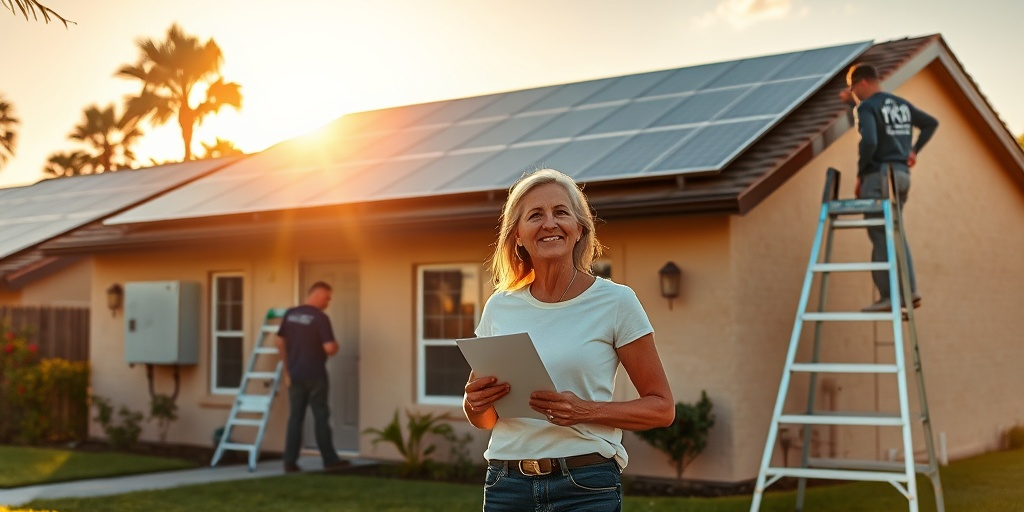
In a world where energy costs are consistently on the rise, one question often lingers in the minds of Florida homeowners: **Is solar power worth it?** You may have heard the common myth: Solar Panel Installation Always Requires High Upfront Costs. But what if I told you that not only is this a myth, but there are also multiple affordable pathways for you to harness the power of the sun? As of 2023, a staggering 20% of Floridians have already adopted solar systems, a statistic highlighting the growing recognition of solar energy’s value (SolarReviews.com). Furthermore, there are significant state incentives available that make solar energy more accessible than ever, especially as we look into the future of 2025 and beyond. As electric utility rates soar and climate concerns become more pressing, understanding solar energy’s affordability isn’t just noteworthy—it’s urgent.
In this article, titled Myth: Solar Panel Installation Always Requires High Upfront Costs, we will debunk this myth comprehensively. We will explore a deep dive into case studies that illustrate affordable options available to you, provide clear steps for navigating solar financial options, and bust prevalent myths with hard data. We’ll also focus on Florida’s unique landscape and incentives that make going solar a smart choice. Finally, we’ll give you a practical action plan for initiating your solar journey in 2025. Get ready to unravel the truth about solar panel installations and understand how you can make them work for your home.
Exploring the Truth Behind High Upfront Costs
When many homeowners think about solar panel installations, they often envision the hefty upfront costs associated with purchasing solar systems. However, this myth can be dismantled with a multifaceted approach. Let’s examine the various financial options available through a hypothetical case study, practical steps you can take, and common myths you should ignore.
Meet Sarah, a homeowner based in Tampa, Florida, who dreamed of slashing her electric bills and reducing her carbon footprint. Initially deterred by the myth of high upfront costs, she took the time to explore her options. Utilizing a combination of government incentives, financing programs, and leasing options, Sarah discovered she could transition to solar with little to no upfront expense.
- Step 1: Evaluate Your Current Energy Costs – Sarah began by thoroughly understanding her current electricity expenses, which averaged around $200/month.
- Step 2: Research Available Incentives – She found that the federal solar tax credit allows homeowners to deduct 26% of the cost of their solar system from federal taxes (Energy.gov).
- Step 3: Explore Financing Options – Sarah then researched solar financing options like zero-down payment loans that ensured her payments would be less than her current electric bill.
- Step 4: Consider Solar Leases – Instead of buying the system outright, she learned about leasing, where she could sign an agreement and pay little to no upfront cost while reaping the benefits.
- Step 5: Partner with a Trusted Installer – After thorough research, she chose Florida Electric & Solar for their transparent practices and commitment to helping homeowners go solar affordably.
This multifaceted approach not only debunked the myth of high upfront costs but also positioned Sarah as a pioneer in her neighborhood, inspiring others to follow suit. Current data reveals that over 50% of Florida homeowners are either considering or have adopted solar power due to its economic viability and expansive benefits (SEIA.org). While many still believe that upfront costs will be prohibitive, understanding your options can change the conversation entirely.
Busting the Myths: Debunking Common Misconceptions
To further break down the misconceptions about solar panel installations, let’s dive into some of the most prevalent myths and uncover the truths that lie beneath them.
- Myth #1: Solar Systems are Only for Wealthy Homeowners
Contrary to this belief, financial tools exist that make solar energy viable for all homeowners. Financing plans, lease options, and state incentives can transform solar acquisition into a manageable endeavor for the average citizen. - Myth #2: Solar Panels Won’t Work in Cloudy or Rainy Weather
While solar panels do function optimally in sunny conditions, they are still effective on cloudy days. Research shows that solar panels generate energy from diffuse sunlight, enabling them to capture energy even when the sky is overcast (NREL.gov). - Myth #3: You Must Purchase Solar Panels Upfront
As demonstrated in Sarah’s case study, leasing and financing options allow homeowners to avoid significant upfront costs. Many consumers may even be able to save money from the first month of installation using financing or leasing options. - Myth #4: Getting a Return on Investment Takes Decades
With the continually decreasing cost of solar installations, many homeowners can see a payback period of 5-8 years, depending on local utility rates and available incentives (SolarReviews.com). - Myth #5: Solar Panel Maintenance is Expensive
In truth, solar systems require minimal maintenance; periodic cleaning and inspections can suffice over the years. Many homeowners report spending less than $300 annually on maintenance (Energy.gov).
Understanding these misconceptions can empower you to take action. Florida homeowners are finding they can own their power and enjoy reduced electric bills while positively impacting the environment. With numerous myths dispelled and the truth uncovered, it’s easier than ever for Floridians to make informed decisions about solar.
Best Practices for Solar Installation: Expert Tips
As you consider transitioning to solar, understanding best installation practices is vital to maximizing your investment. Here are 5 expert tips to set you on the right path.
- Choose the Right Installer
Opt for contractors with solid reputations, established histories, and excellent customer feedback. Utilize platforms such as SolarReviews.com to vet your providers. - Assess Panel Placement Wisely
Maximize energy capture by strategically placing panels where they get the most sun exposure—ideally, on either your roof or ground mounts. - Understand Energy Needs
Analyze your home’s energy usage to ensure your installed system meets or exceeds your demand. Digitally analyzing your utility bill will provide clarity. - Evaluate Battery Storage Options
Consider investing in battery storage to store excess energy for use during non-sunlight hours, especially if you reside in areas prone to power outages. - Stay Informed on State Incentives
Regularly review state and local policies, as new incentives are consistently being introduced to make solar energy more affordable.
By following these best practices, you can minimize the risks associated with installation and enhance the return on your solar investment. The solar energy landscape is continually evolving, and being an informed consumer will help you compete in this environment.
A Homeowner’s Solar Journey: A Case Study
To provide a more grounded perspective, let’s delve into the fictional narrative of Mark and Linda, a couple living in Orlando who embarked on their solar journey without any prior knowledge of the intricacies involved. After experiencing a series of staggering electric bills, they decided it was high time to take action.
- Step 1: Research Phase
Like many homeowners, they began with basic internet searches on solar power in Florida, quickly discovering benefits like the federal tax credit and net metering policies, which allow homeowners to sell excess energy back to the grid. - Step 2: Provider Selection
Mark and Linda carefully researched community feedback and installed systems to find a reliable provider; they settled on Florida Electric & Solar, who provided evaluated consultations free of charge. - Step 3: Understanding Financing
The duo learned about various financing options, including no-money-down leases and community solar programs, making the prospect of solar much more perhaps. - Step 4: Installation
They opted for a solar lease and opted for professional installation performed over two days by expert technicians, ultimately reducing disruption to their daily lives. - Step 5: Post-Installation Realization
After their installation, their monthly electric bill dropped from $200 to approximately $50. Not only did they contribute positively to the environment, but they also boosted the value of their home.
This story is an emblem of hope for many Florida homeowners. By taking informed steps, Mark and Linda shifted their home from a conventional energy source to one that is self-sustaining, eco-friendly, and financially smart. More than 70% of Florida residents are looking towards renewable energy sources; stories like Mark and Linda’s are paving the way (SEIA.org).
The Essential Action Plan: Next Steps for Florida Solar Buyers in 2025
As you consider your own solar energy journey, here’s a clear and actionable plan to guide you through the process:
Step 1: Audit Your Electric Bill
Assess how much energy you use and what you’re currently spending. This will inform the size and type of solar system you’ll need.
Step 2: Research Available Incentives
Utilize resources like the Solar Energy Industries Association (SEIA) to find federal tax credits, state incentives, and local rebates available to Florida residents.
Step 3: Investigate Financing Options
Look into loans, solar leases, and power purchase agreements (PPAs). Always compare multiple options to find the best fit for your financial situation.
Step 4: Select a Reputable Installer
Verify certifications, client testimonials, and practice transparency through providers for peace of mind. Get at least three quotes before you choose.
Step 5: Finalize Installation and Enjoy the Benefits
Once installed, familiarize yourself with managing your solar system to maximize savings and energy usage effectively.
By using this checklist, you’ll be equipped to minimize uncertainties and maximize your solar investment. It’s time to dispel the myth surrounding high upfront costs and explore the remarkable benefits that solar energy can bring to your home. For more detailed guidance and resources, visit floridaelectricandsolar.com.
In closing, the journey towards solar energy is fraught with misconceptions and myths. However, as we’ve uncovered in this article, the reality is that solar panel installation can be both affordable and accessible. As utilities continue to raise their rates and more Floridians embrace renewable practices, making the switch has never been more pertinent. Remember, we’re all part of a movement to build a sustainable future for ourselves and the generations to come.
Ready to start your solar journey in 2025? Connect with a certified expert at floridaelectricandsolar.com today.
Related Articles
More insights about Solar Panel

Florida Homeowners: Why Solar Panel Maintenance Is Essential

7 Essential Steps for Solar Panel Installation Success

Expert Insights: Key Factors Influencing Solar Panel Lifespan
Ready to Go Solar?
Have questions about solar energy? Our experts are here to help you make the switch to clean, renewable energy.