
Myth: Solar Panel Installation Is Only for Large Roofs
Share:
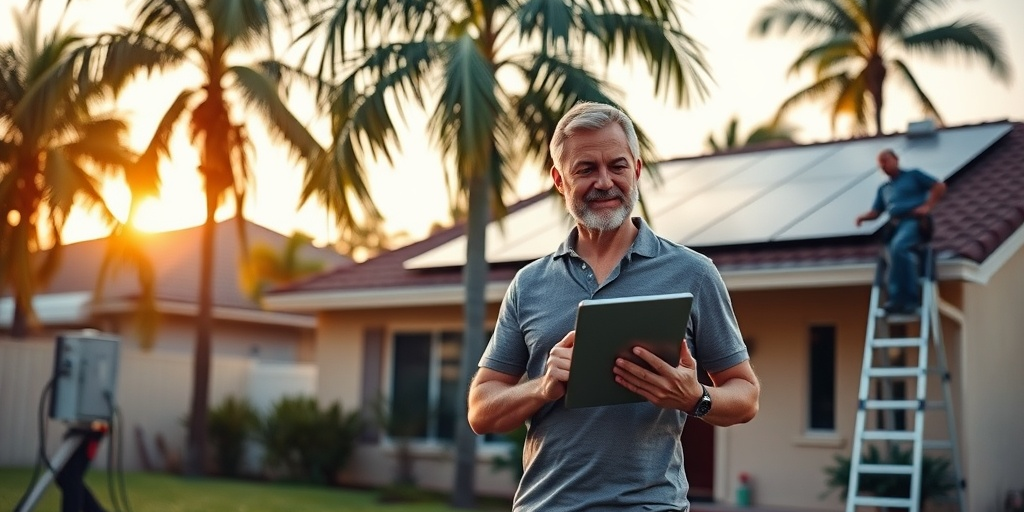
There’s a common myth that has clouded the minds of many potential solar users, one that echoes ominously among skeptics: the belief that solar panel installation is only for large roofs. But is this really true? Consider this startling fact: in Florida alone, over 58,000 residential solar systems were installed in 2021, a number that continues to grow (SEIA.org). This indicates a clear trend of homeowners seizing the opportunity to harness the sun’s energy, irrespective of their roof size. While some might think that a spacious rooftop guarantees energy savings, this belief neglects the reality that even smaller homes can reap significant benefits from solar energy.
As we head into 2025, the urgency to shift to renewable energy sources grows ever stronger. Rising utility costs, coupled with the potential for new federal incentives that encourage solar adoption, make it increasingly crucial for Florida homeowners and commercial property owners to consider their options now. In fact, Florida ranks second in the U.S. for solar capacity installations, with a total installed capacity exceeding 5,000 megawatts (SolarReviews.com). Thus, it’s time to debunk the myth that solar installation is exclusive to larger rooftops.
In this article, we’ll delve into the following five sections:
1. A case study showcasing a Florida homeowner’s journey with small roof solar installation.
2. A practical checklist for evaluating your rooftop’s solar potential, addressing unique scenarios.
3. A myth-buster segment that will dismantle common misconceptions surrounding solar installations.
4. A local focus highlighting Florida-specific data and incentives that simplify solar adoption.
5. A technical deep-dive into how solar systems can function effectively, regardless of roof size.
Let’s shine some light on the reality of solar energy for roofs of all shapes and sizes!
How Small Roofs Can Have a Huge Impact: A Florida Homeowner’s Story
Meet Sarah, a recent empty-nester living in a cozy Palm Coast home with a modest roof size of 1,500 square feet. Tired of rising energy bills that took a significant chunk out of her retirement savings, Sarah sought a solution. Like many homeowners, she had heard the myth that solar panels were only effective for larger rooftops and nearly dismissed the idea altogether. However, after doing her research, she discovered that solar panel installation is not bound by the size of a roof, but rather by the homeowner’s willingness to invest wisely.
Determined to explore her options, Sarah contacted Florida Electric & Solar for a consultation. What she learned astonished her: despite her home having a smaller rooftop, proper assessments revealed that she could install high-efficiency solar panels that would generate more energy than she realized possible. Using a combination of 300-watt panels and strategic placement, Sarah learned her roof could support a solar system that would save her approximately 40% on her electric bill. Over the system’s lifespan, that would translate to nearly $20,000 in savings (SEIA.org).
After deciding to move forward, the installation team worked diligently, completing the project in just a few days. Sarah embraced the idea of reducing her reliance on the grid, knowing that every electric bill saved was a step towards financial freedom. This journey to going solar opened up not just savings but a newfound pride in making an eco-friendly choice. It also allowed her to engage with her community about the benefits of going green, helping to tackle the lingering doubt that solar installations were limited to those with larger roofs.
This case study illustrates a crucial point: solar power isn’t just for expansive rooftops. Through careful planning, even homes like Sarah’s can take advantage of solar installations and enjoy significant utility bill savings. Now, let’s explore how you can evaluate your roof’s solar potential effectively.
Your Roof’s Solar Potential: A Practical Checklist
Success in solar energy starts with understanding your specific roof situation. If you’re dealing with skepticism about smaller roofs, consider this your roadmap to evaluating potential solar installation:
- Step 1: Assess Your Roof Size – Begin by measuring your roof. Florida homeowners can easily determine if their roof is suitable for solar panels by discussing options with solar professionals, who can accurately gauge necessary area for installations.
- Step 2: Evaluate Roof Orientation – South-facing roofs usually yield the best results for solar energy absorption. However, east or west sides can still achieve impressive performance, depending on local sunlight exposure.
- Step 3: Check for Shade – Investigate if surrounding trees or buildings cast shadows on your roof. While this can affect solar panel efficiency, it does not outright disqualify smaller roofs from solar potential.
- Step 4: Consider Panel Efficiency – Modern solar panels can vary in output and efficiency. Working with a reputable installer ensures you’ll select high-efficiency panels that require less space yet generate ample energy.
- Step 5: Review Local Incentives – Florida homeowners may qualify for local grants or tax incentives specifically designed to encourage solar investment, regardless of roof size. Checking Florida-specific resources may provide additional options for small roof owners.
As you evaluate these aspects of your roof, remember that each point counts towards unlocking the potential for solar energy. Armed with this checklist, Florida homeowners can confidently approach solar professionals equipped with knowledge.
Myth-Buster: Dispelling Common Misconceptions about Solar Panels
The battle against misconceptions surrounding solar energy is ongoing. Many potential adopters fall into the trap of believing that solar panel installation is only for larger roofs. Let’s bust that myth and expose the truth:
- Myth #1: Small roofs can’t accommodate solar panels. – This belief is simply untrue. Many high-efficiency panels require less space while providing substantial energy output, meaning smaller rooftops can still benefit immensely.
- Myth #2: Solar panels are too expensive for smaller homes. – Underestimating solar potential leads many to believe that they cannot afford solar installation. With various financing options and state incentives, solar energy is becoming more accessible to all homeowners, regardless of roof size.
- Myth #3: Solar energy isn’t worthwhile without a large installation. – Even a modest-sized solar system can lead to significant savings on utility bills, offering homeowners a chance to maximize their investments over time.
- Myth #4: Older roofs cannot support solar panels. – Many homeowners worry about the structural integrity of their roofs. However, renovations or reinforcements can be made to accommodate solar installations on older roofs.
- Myth #5: Solar installations are complicated and invasive. – While the installation process may sound daunting, working with experienced professionals drastically reduces this concern. Moreover, many installations are completed within just a few days.
Ultimately, every homeowner has a unique circumstance, and while smaller roofs present challenges, they also offer opportunities to engage with solar energy on a practical level. Understanding the facts allows homeowners to navigate these details confidently.
A Local Focus: Florida’s Solar Landscape and Opportunities
Focusing on Florida’s solar initiatives reveals encouraging trends for all types of homeowners. Despite the misconception about solar panels and roof size, the Sunshine State boasts impressive benefits for both big and small rooftops alike. Here are compelling facts reflective of the market:
- Florida ranks first in the U.S. for solar power jobs, with over 12,000 workers in the solar sector, making support and innovation widely available (SolarFoundation.org).
- Incentives offered by the state such as the Florida Solar Energy System Incentive Program (FSESIP) help make solar installations more accessible for families and small-business owners alike.
- According to recent studies, homes equipped with solar panels can increase real estate value by an average of $15,000, regardless of roof size (Energy.gov).
Simply put, the Sunshine State’s commitment to solar energy makes it an attractive option for every homeowner. Now is the time for you to take advantage of these local initiatives, whether you reside in Miami, Jacksonville, or Tampa.
Understanding Solar Technology for Any Roof Size
Being informed about the technology behind solar panels can help alleviate concerns and tailor solutions that fit your property’s unique needs. Factors to consider include:
- Panel Types: Solar panels come in various types, including monocrystalline, polycrystalline, and thin-film. Each type offers different efficiency rates and space requirements, allowing homeowners to choose the best fit for their roof.
- Inverters: A crucial element of a solar power system, inverters convert the direct current generated by panels into alternating current usable in your home. Choosing high-quality inverters can ensure optimal performance.
- Battery Storage: Having a battery backup can help maximize your solar savings, allowing you to use excess generated energy even when the sun isn’t shining. This is a strategic choice for homeowners with smaller roofs who might not produce as much energy.
- Net Metering: Florida homeowners benefit from net metering policies that allow homeowners to receive credits for excess energy exported back to the grid, contributing to cost efficiency for smaller solar systems.
Being acquainted with these elements not only aids in informed decision-making, but enhances the efficacy of your solar power investment, helping you to maximize the benefits even with limited rooftop space.
Next Steps for Florida Solar Buyers in 2025
Transitioning to solar energy can feel overwhelming, especially when confronted with misconceptions and a wealth of information. By taking manageable steps, you can pave your way toward harnessing the power of the sun. Here’s a simple action plan:
- Step 1: Audit Your Electric Bill – Analyze your past bills to understand your energy consumption patterns. This information is essential when assessing how much solar power you’ll need.
- Step 2: Research Local Incentives – Research available programs in Florida that could lessen the financial burden of going solar. Many incentives and rebates can significantly offset installation costs.
- Step 3: Talk to Professionals – Engage a trusted solar installer who can provide assessments and customized options based on your property and preferences.
- Step 4: Secure Financing – Explore financing options that suit your budget, such as loans, leases, or power purchase agreements (PPAs).
- Step 5: Schedule Installation – Once you’ve made your choices, schedule your installation, knowing you’re making a positive impact on both your energy costs and the environment.
Engaging in this process empowers Florida homeowners to make informed decisions about solar energy, ensuring that every roof—small or large—is given the opportunity to shine.
In conclusion, debunking the myth that solar panel installation is solely for large roofs opens doors for Florida homeowners eager to explore this sustainable energy option. With an array of motivational success stories, practical assessment tools, actionable steps, and an understanding of local incentives, many homeowners will find that the sun can illuminate their electricity costs and eco-friendly future. So as 2025 unfolds, initiate your solar journey, considering how solar installations can profoundly impact your life—financially and environmentally.
Ready to start your solar journey in 2025? Connect with a certified expert at floridaelectricandsolar.com today.
Related Articles
More insights about Solar Panel

Florida Homeowners: Why Solar Panel Maintenance Is Essential

7 Essential Steps for Solar Panel Installation Success

Expert Insights: Key Factors Influencing Solar Panel Lifespan
Ready to Go Solar?
Have questions about solar energy? Our experts are here to help you make the switch to clean, renewable energy.