
Myth: Solar Panel Installation Is Only for New Homes
Share:
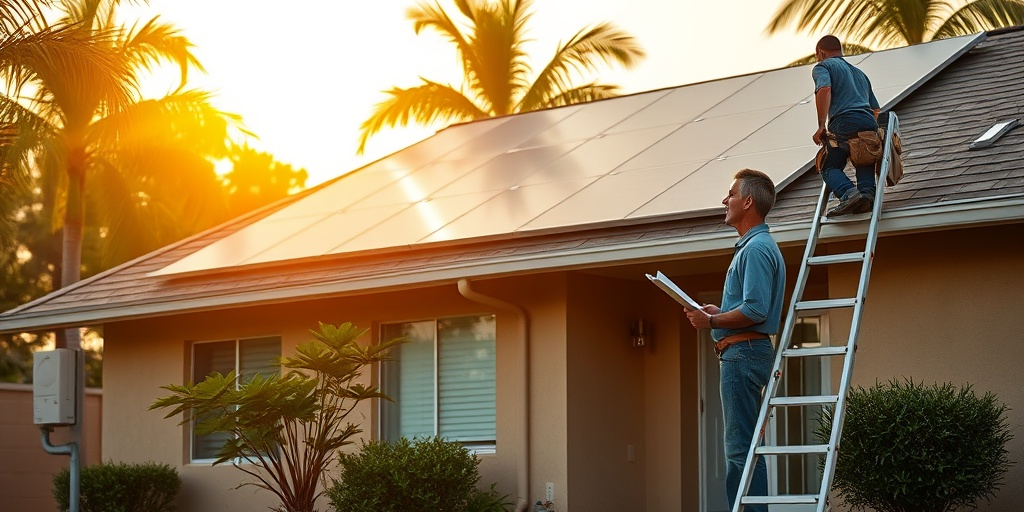
Imagine this: a Florida homeowner, let’s call her Maria, is tired of constantly rising electricity bills. Every month, the costs seem to climb higher, gnawing away at her family’s budget. One day, she hears a common belief that leaves her disheartened—“Solar panel installation is only for new homes.” This myth casts a long shadow, making homeowners like Maria question their options. The truth is far from this myth, which is what we’ll explore in our article titled “Myth: Solar Panel Installation Is Only for New Homes.” In fact, recent data shows that in 2022 alone, Florida saw a staggering growth of 32% in solar installations compared to the previous year (SEIA.org). Moreover, more than 900,000 homes in Florida have solar panels installed, and many are older homes that have made the successful switch (Energy.gov). As we move into 2025, rising energy costs, evolving solar incentives, and the growing instability of the electric grid make it vital for homeowners, regardless of the age of their properties, to consider solar energy seriously. In this article, we will walk you through five insightful sections: first, debunking prevalent myths about solar energy; second, an actionable checklist for interested homeowners; third, best industry practices; fourth, a narrative showcasing a realistic solar journey; and finally, a compelling action plan tailored for Florida residents. Together, let’s dismantle the misconception that many have about solar panel installation being restricted to new homes and open the door to the myriad of benefits available to every Florida homeowner.
Let’s Bust the Myth: Solar Panels Aren’t Just for New Homes
Many people believe that solar panels can only be installed on new homes. This misconception deters countless homeowners from exploring a sustainable energy solution that could empower them economically and environmentally. To illustrate this point, let’s take a closer look at a case study of an older home in Orlando.
Meet Tom and Lisa, a couple living in a 30-year-old home on the outskirts of Orlando. For years, they had been grappling with escalating energy bills, which averaged over $250 a month. After hearing neighbors discuss their recent switch to solar power, Tom and Lisa decided to do some research. Through their investigation, they discovered that homes, regardless of age, could be retrofitted for solar energy. They reached out to a local solar expert and learned about how even older homes could benefit from solar panel installation.
Here is a checklist of what Tom and Lisa found when determining whether to install solar panels:
- Evaluate Roof Condition: A strong, intact roof is critical for solar panel installation. They learned about first checking for any necessary repairs.
- Understand Energy Needs: By analyzing their electricity consumption over the past year, they could estimate the size of the solar system they’d need.
- Consult with a Solar Expert: Getting a quote and professional input was essential to understand system costs and available incentives.
- Check Local Regulations: Florida has specific building codes and regulations for solar installations. Knowledge there could save time and money.
- Explore Financing Options: They explored several financing avenues, including loans, leases, or power purchase agreements (PPAs), to fit their budget.
Across Florida, myths about solar installation thrive, with homeowners often believing the process is cumbersome and exclusive to new builds. Myth #1: Only New Homes Qualify for Solar Panels—This is patently false. Many older homes can be fitted with solar panels, and as technologies evolve, most systems can be adapted. Studies show that solar energy adoption is expected to triple nationwide by 2025 (U.S. Department of Energy), proving that the transition is viable for older structures too.
Myth #2: Solar Panels Are Too Expensive—Many homeowners hesitate to switch, fearing high upfront costs. While initial investments can be significant, the long-term savings generally outweigh these expenditures. In fact, federal tax credits and local rebates can reduce costs by nearly 50% (SEIA.org). Additionally, some states offer property tax incentives for solar installations, resulting in zero property tax increases for any solar improvements.
Myth #3: Poor Solar Efficiency in Florida. Surprisingly, Florida is one of the best states for solar energy. With its abundant sunshine, homeowners in the Sunshine State can produce more electricity with solar panels. According to the National Renewable Energy Laboratory (NREL), Florida ranks third in the country for solar potential! Even older rooftops can support efficient systems, with panels designed to capture sunlight, regardless of shading or angle, boasting up to 90% efficiency (Energy.gov).
Next, from a local perspective, the stiff competition among solar providers in Florida has resulted in substantial savings for homeowners. Myth #4: Solar is Bad for Property Value—Contrary to this belief, homes with solar panels often sell for 4.1% more than comparable houses without them (Zillow.com). This increase can significantly affect resale values, especially in sought-after neighborhoods.
Finally, let’s tackle Myth #5: Solar Panels Require Constant Maintenance. The reality is that solar panels require minimal upkeep. According to the Solar Energy Industries Association, requiring only routine maintenance and inspections, homeowners can expect their systems to last 25 years or longer (SEIA.org).
As Tom and Lisa’s story illustrates, solar energy solutions can be accessible to any homeowner willing to explore their potential. Solutions abound, especially in Florida—where the initiatives designed to foster solar power utilization make the journey increasingly effortless.
On this journey, there are actionable steps to consider. If you’re eager to learn more, explore our floridaelectricandsolar.com for more details on how we can help you make this transition.
Navigating the Solar Landscape: Essential Steps for Homeowners
Embarking on the solar journey can seem daunting, but with the right information, it can be an exciting transition to renewable energy. To aid your expedition, we’ve compiled essential steps that Florida homeowners can take toward solar installation.
- Step 1: Audit Your Energy Use. Begin with a thorough analysis of your electricity usage. Gather your utility bills from the past year to identify your typical monthly consumption. This baseline is crucial for determining the array size needed.
- Step 2: Research Solar Options. Take the time to investigate various solar systems and technologies available, such as photovoltaic (PV) panels, battery storage, and inverters. Knowing your choices will facilitate informed decision-making.
- Step 3: Understand Financing. Examine various financing options available to you, from direct purchases to lease or finance programs. The federal investment tax credit provides critical savings that can significantly reduce your final cost.
- Step 4: Get Multiple Quotes. Contact several solar companies in Florida to receive quotes and assess their offerings. Look for licensure, past customer reviews, and warranties to ensure you’re selecting the right team.
- Step 5: Analyze Local Incentives. Florida boasts several solar incentives, including Solar Renewable Energy Certificates (SRECs) and Sales Tax Exemptions. Familiarize yourself with the available benefits to maximize your savings.
Armed with knowledge and a solid plan, you can confidently take the next step towards embracing solar energy in your home. An effective strategy underpins every successful solar installation, and understanding practical steps can lead to informed decisions.
For a deeper dive into financing options and installation practices, floridaelectricandsolar.com provides precise insights to help you navigate the complexities of going solar.
Expert Tips for Effective Solar Installation in 2025
As the solar landscape evolves rapidly, understanding how to make the most of your installation is crucial. Below are five essential tips to ensure that homeowners have a seamless and beneficial solar experience.
- Tip #1: Choose the Right Location. Careful positioning of solar panels can maximize sunlight absorption. Aim for unobstructed areas on your roof and consider tilt or angle adjustments where possible.
- Tip #2: Invest in Quality Products. Opting for high-efficiency panels and inverters will yield the best returns. Do your research and look for trusted manufacturers.
- Tip #3: Monitor System Performance. After installation, keep an eye on your system’s performance. Solar monitoring apps can help track energy production and maintenance needs.
- Tip #4: Engage with Local Solar Communities. Connect with local solar groups or forums to gain insights from other homeowners and share experiences. Building a network can provide invaluable support and advice.
- Tip #5: Stay Updated with Legislation. The solar landscape is continually shifting. Regularly review changes in policies or incentives that could benefit you as a solar owner.
Throughout their solar journey, homeowners should arm themselves with knowledge. Taking steps proactively can lead to far-reaching benefits and savings. A well-resourced vision channels successful solar strategies!
Understanding the Solar Journey: A Realistic Narrative
Let’s dive into a fictional yet realistic narrative about a Florida couple, Jake and Sandra, who live in a charming, 25-year-old bungalow in Miami. Just like Tom and Lisa, Jake and Sandra had always wished to transition to solar energy, but believed they needed a brand-new home to make that dream a reality. One scorching summer, they crunched the numbers and realized their energy bills had skyrocketed to over $300 monthly. This was their breaking point.
After learning more about solar installations for existing homes, they took action. Here’s how Jake and Sandra navigated their solar journey:
- Research and Consultation: They consulted with an expert at a local solar company who explained how their older roof could still support modern solar panels.
- Roof Assessment: A roof inspection revealed their tiles were in excellent condition. They made minor repairs to ensure it would withstand solar installations.
- Determining Solar Needs: After analyzing their monthly energy usage, they figured that a system of 6 kWh would work well to cover their consumption.
- Choosing a Reliable Provider: They sought multiple quotes and found a Florida company with excellent reviews and licensing.
- Installation Day: It was exciting and quick—the installation team had their solar panels installed in just one day! After setting up monitoring software, they saw immediate results.
Fast-forward to the present day, Jake and Sandra’s solar panels not only cover their energy consumption but also feed energy back into the local grid at peak sun times. They’ve cut their electric bills by 60%, pocketing the savings for family vacations and a pool for the children. Furthermore, Jake discovered that their home’s value increased by 4.1% simply because they made the transition to solar energy.
In conclusion, Jake and Sandra’s journey exemplifies how convenient switching to solar really can be and how it’s feasible for homeowners with mature properties. The abundance of sunlight gives older homes in Florida an opportunity to become energy-efficient.
Next Steps for Florida Solar Buyers in 2025
As we approach 2025, embracing solar power has never been more vital for environmentally-conscious homeowners in Florida. To conclude our article, here’s a clear roadmap to guide you toward a successful solar adoption.
- Audit Your Electric Bill: Begin by reviewing your latest utility bills to understand your consumption and set realistic solar goals.
- Research Local Solar Companies: Scientific data suggests comparing potential providers to find the best quality service in your region.
- Inquire about Incentives: Contact local authorities about incentives that can lighten your financial burden.
- Schedule a Roof Inspection: Understanding your roof’s condition can dictate your installation options. This is your first physical step.
- Finalize Your Contract: Once you feel confident, sign your contract and prepare for installation. Ensure you understand the payment structure and warranty details.
This checklist can help simplify the process of going solar and provide clarity for any Florida homeowner. Connecting with professionals at every turn ensures informed and responsible choices.
As we reach the end of this in-depth exploration of solar energy’s vast benefits, remember: your ambitions for a energy-efficient home in 2025 are entirely achievable. We invite you to connect with certified experts who can guide and support you throughout your solar journey at floridaelectricandsolar.com today.
The benefits of switching to solar extend beyond mere savings; they embrace sustainability, resilience, and pride in ownership. By taking steps today, you’re paving the way for a brighter, energy-independent tomorrow. Let’s leave behind outdated beliefs, seize the solar opportunity, and illuminate the path forward together.
Related Articles
More insights about Solar Panel

Florida Homeowners: Why Solar Panel Maintenance Is Essential

7 Essential Steps for Solar Panel Installation Success

Expert Insights: Key Factors Influencing Solar Panel Lifespan
Ready to Go Solar?
Have questions about solar energy? Our experts are here to help you make the switch to clean, renewable energy.