
Myth: Solar Panel Installation Is Only for Commercial Properties
Share:
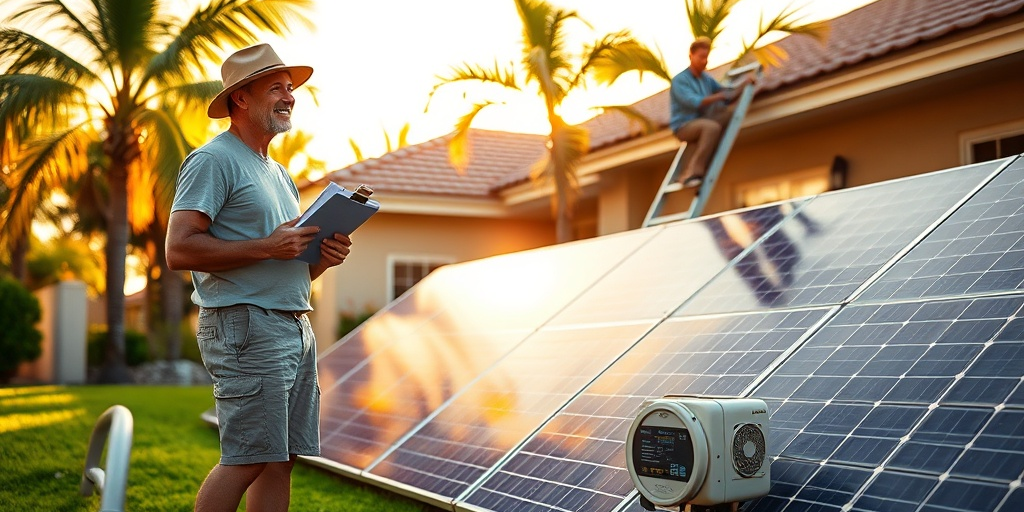
When we think about solar energy, many of us envision sprawling commercial rooftops adorned with gleaming solar panels, fueling corporate giants in their quest for sustainability. But what if I told you that Florida homeowners are missing out on tremendous benefits, thinking solar panel installation is only for commercial properties? In fact, research shows that residential solar installations are growing rapidly in 2025, with homeowners saving, on average, $1,500 annually on energy bills (SEIA.org). As a state blessed with abundant sunshine, Florida is leading the charge with innovative solar incentives that make installations more accessible than ever. Yet, these misconceptions about solar remain pervasive, leading many of our neighbors to overlook this golden opportunity. Join me as we unravel the mystery in our article titled “Myth: Solar Panel Installation Is Only for Commercial Properties.”
Before heading into the detailed analysis, let’s understand why debunking this myth matters urgently in 2025. As electric rates continue to rise and the effects of climate change loom heavily, transitioning to solar power isn’t just economically sensible; it’s a necessity. Not only can homeowners and commercial property owners cut their electric bills, but they can also contribute to a more sustainable future with cleaner energy. With this in mind, let’s explore five key sections that will guide you through the truth behind residential solar energy:
- Understanding the opportunities available for homeowners
- A practical checklist to explore solar energy options
- Addressing common myths about solar panel installations
- A look at local regulations and incentives in Florida
- Technical insights into system components and billing
Unlocking the Power of Solar for Homeowners
While solar panels on commercial properties may be more visible, they aren’t the only path to harnessing solar energy. Consider the story of Lisa, a Florida homeowner living in Tampa who was uncertain about whether solar energy was the right fit for her family. After much research, she discovered that by making the leap to solar, her family could save up to 90% on their electricity bills. For Lisa, that meant redirecting thousands of dollars towards trips and education rather than utility bills.
But how does she do it? Here’s a checklist that can help homeowners like Lisa make educated decisions:
- Evaluate Your Energy Needs — Check your electricity usage and identify potential savings.
- Research Local Solar Incentives — Take advantage of Florida’s rebates and tax credits to maximize your investment.
- Consult with Solar Experts — Contact reputable solar companies like Florida Electric & Solar to get an accurate installation quote.
- Understand Financing Options — Explore various financing avenues such as solar loans, leases, or purchasing outright.
- Consider Future Energy Needs — Plan for the future and factor in any expected changes in energy consumption.
Now, let’s bust some prevalent myths surrounding solar installation that might be keeping Florida homeowners from reaping the rewards.
Myth-Buster: Debunking Solar Misconceptions
Myth #1: Solar Panel Installation is Unaffordable for Homeowners
Many believe that the upfront cost of solar panel installation is beyond their reach. However, with solar financing options and government incentives, such as the federal solar tax credit of 26%, homeowners can significantly reduce their initial investments (Energy.gov).
Myth #2: Solar Panels Only Work in Certain Climates
This myth couldn’t be further from the truth! Florida is one of the sunniest states in the U.S., with an average of over 260 sunny days per year, making it ideal for solar energy production (SolarReviews.com).
Myth #3: Solar Systems Require Unnecessary Maintenance
Incredibly, solar panels require minimal maintenance. A simple rinse with a hose a few times a year is usually sufficient to maintain their efficiency.
Myth #4: Solar Panels Hurt Your Home’s Value
Many homeowners in Florida are surprised to learn that solar installations can actually increase property values by up to 4% (NREL.gov).
Myth #5: You Must Live in a Home to Use Solar
Even renters can benefit from solar energy. Innovative community solar programs allow residents to purchase energy from shared solar projects for a fraction of the cost.
With these myths dismantled, it’s time to explore how Florida-specific policies support homeowners in making the solar switch.
Florida: A Local Focus on Solar Energy Adoption
In Florida, the push toward residential solar has received backing from legislative initiatives aimed at making solar energy more accessible. Programs under the Florida Solar Energy Industries Association (FSEIA) actively promote solar use among homeowners and businesses alike. One of the most significant advantages is how solar energy systems function with Net Metering—allowing homeowners to sell excess energy back to the grid, effectively leading to credits that reduce bills even further.
- Incentives: Florida homeowners may qualify for various rebates and programs aiming to offset the installation costs.
- Net Metering: This allows for compensation, bringing down electricity bills significantly when producing more energy than consumed.
- Community Solar Initiatives: These programs increase access to solar power for those who may not be able to install panels on their property.
Understanding these local resources puts Florida homeowners at an advantage. Companies like Florida Electric & Solar are known for their commitment to helping residents navigate these incentives, ensuring that the transition to solar is as hassle-free as possible.
5 Expert Solar Installation Tips for 2025
Transitioning to solar energy can be daunting, but knowing strategic tips can make the process seamless and rewarding. Here are five expert recommendations to keep in mind:
- Don’t Skimp on Panel Placement — Proper orientation and angle can significantly influence energy output, forecast your energy needs while ensuring optimal power production.
- Understand Your Warranty — Look for solar panels that offer reliable warranties, which often cover a span of 25 years or more, providing peace of mind.
- Monitor Your Energy Usage — Invest in monitoring systems that give insights into your energy production and consumption rates, helping tailor usage patterns.
- Get Multiple Quotes — Engage with several solar companies to compare pricing and quality of services, ensuring you’re getting a value-based deal.
- Plan for Battery Storage — Consider integrating battery systems that store energy for nighttime use or outages, providing independence and resilience during emergencies.
Applying these tips can significantly improve your experience with solar. For more information on transitioning to solar power, it’s valuable to connect with licensed professionals who can offer customized advice. Start your journey by visiting floridaelectricandsolar.com.
A Florida Homeowner’s Solar Journey: A Case Study
Imagine a fictional Florida homeowner, Karen, who, like many, felt overwhelmed by the prospect of transitioning to solar energy. Initially apprehensive and skeptical about the benefits, she took the plunge after a comprehensive consultation. Once her installation was complete, Karen experienced a tangible reduction in her monthly energy bill. In the first year alone, she saved over $1,800, much of which she reinvested into her family’s home improvements.
From Karen’s story, we can identify key factors that contributed to her successful transition:
- Thorough Research: She explored different installation companies in Florida and carefully scrutinized customer reviews.
- Financial Planning: By taking advantage of state rebates and federal tax credits, she minimized her initial expenditure.
- Community Reference: Engaging with neighbors who had gone solar encouraged her decision when she saw their savings firsthand.
It’s clear that Karen’s success stems from informed choices and resources available for Florida homeowners looking to adopt solar. Projections indicate that nearly 450,000 residential solar installations are expected by the end of 2025 (SEIA.org).
Next Steps for Florida Solar Buyers in 2025
As we wrap up, it’s essential for potential solar buyers to have a clear action plan. Here’s a step-by-step guide to assist you on your journey:
- Step 1: Audit Your Electric Bill — Review your energy consumption patterns to identify how much you could save with solar installation.
- Step 2: Research Solar Providers — Look for reputable solar companies, emphasizing experience and customer support.
- Step 3: Get Your Home Energy-Efficient — Before going solar, enhance energy efficiency through upgrading insulation or appliances.
- Step 4: Investigate Financing Options — Determine if you prefer cash purchase, loans, or leasing before moving forward.
- Step 5: Schedule a Consultation — Set up a meeting with a solar expert to get a tailored proposal and cost estimate.
Taking these steps can facilitate your transition. For more personalized advice, don’t hesitate to reach out to trusted resources at floridaelectricandsolar.com.
In conclusion, the myth that solar panel installation is only for commercial properties could not be farther from the truth. Homeowners across Florida are taking advantage of significant savings while contributing to a more sustainable future. With cost-effective solar options becoming increasingly available, transitioning to solar isn’t just a trend—it’s a revolution for our homes, our budgets, and our planet. By leveraging available programs, understanding the technologies, and forming solid plans, homeowners can make informed choices that suit both their financial and energy needs.
Ready to start your solar journey in 2025? Connect with a certified expert at floridaelectricandsolar.com today.
Related Articles
More insights about Solar Panel

Florida Homeowners: Why Solar Panel Maintenance Is Essential

7 Essential Steps for Solar Panel Installation Success

Expert Insights: Key Factors Influencing Solar Panel Lifespan
Ready to Go Solar?
Have questions about solar energy? Our experts are here to help you make the switch to clean, renewable energy.