
Myth: Solar Panel Installation Is Only for High-Income Households
Share:
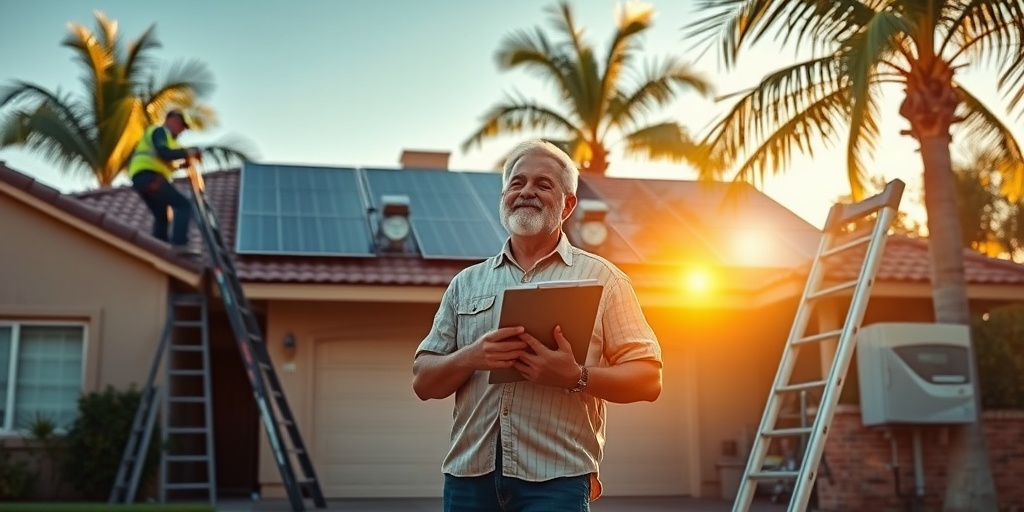
Imagine living in a state known for its abundant sunshine, with beautiful beaches and vibrant culture, yet still paying sky-high electricity bills each month. Florida homeowners are facing tough choices with rising energy prices, and many are left wondering if solar power is only a luxury reserved for high-income households. If this resonates with you, you’re not alone. The myth that solar panel installation is only for high-income households could cost you valuable savings and energy independence. In this article titled Myth: Solar Panel Installation Is Only for High-Income Households, we will explore why going solar is within reach for everyone in Florida, regardless of your income level. Surprisingly, about 70% of solar installations in Florida come from homeowners with moderate incomes (SolarReviews.com). Additionally, incentives like the Federal Investment Tax Credit can save you 26% off installation costs—an opportunity that you shouldn’t overlook as we approach 2025. With energy costs expected to surge due to potential grid instability (SEIA.org), there has never been a more urgent time to explore solar energy options that fit every budget.
In this article, we will delve into five key sections that will equip you with the knowledge to debunk this myth and make an informed decision about solar energy in Florida:
- An in-depth look into a real-life case study showcasing common misconceptions about solar.
- A checklist to simplify your solar journey, making it accessible for all.
- A myth-busting analysis that debunks misconceptions around solar energy accessibility.
- Florida-specific insights that emphasize universal access to affordable solar energy.
- A technical deep-dive into modern solar solutions suitable for all budgets.
Understanding Solar Accessibility for Florida Homeowners
To illustrate the accessibility of solar panels to all income households, let’s take the case of the Garcia family. Maria and Javier Garcia, residents of Tampa, were struggling to manage their monthly electric bill, which often exceeded $200 during peak summer months. After evaluating their monthly expenses, they were startled to discover that nearly a third of their income was going to electric bills. When a neighbor suggested solar power, Maria dismissed the idea, thinking it far too expensive for their budget.
However, after doing some research, they uncovered that solar financing options, including affordable leases and Power Purchase Agreements (PPAs), could allow them to install solar panels with little to no upfront cost. Their energy consultant informed them about various state incentives, including the 26% Federal Investment Tax Credit (SEIA.org), which meant they could save substantially on their installation costs. Taking the leap into solar power, the Garcias saw their electric bill drop to an astonishing $25 a month within just a few months after installation.
This remarkable shift in their financial landscape not only eased their monthly stress but also empowered them to invest in other areas of their lives. The Garcias’ story is not unique—many Florida homeowners share similar experiences. Here are some actionable steps to help you transition towards solar:
- Step 1: Assess Your Energy Needs – Take a look at your electricity usage over the past year.
- Step 2: Research Solar Financing Options – Explore loans, leases, and PPAs that fit your budget.
- Step 3: Check Local Solar Incentives – California offers state-level incentives, but Florida has its own benefits!
- Step 4: Get Quotes from Local Solar Companies – Shopping around helps you find the best deals.
- Step 5: Schedule a Professional Installation – Once you choose a solution, book an installation date!
Many prospective solar buyers in Florida are unaware that their financial situation does not have to be a barrier. In fact, studies shows that nearly 75% of participants in solar financing programs were low to moderate income families (SolarReviews.com). So, if you’ve ever thought that solar panels were only for the elite, you’re far from alone, but you might be missing out on substantial savings.
Debunking Common Myths About Solar Access
Continuing with the theme of myth-busting, let’s address five widely held misconceptions about solar energy that can deter homeowners from making the switch:
Myth #1: Solar is Only for Wealthy Families
This belief has been perpetuated by biased marketing and limited visibility of successful low-income solar projects. In reality, innovative financing and leasing options ensure that solar power is accessible to many more families than you might think. Programs exist specifically to serve low-income households, aiming to eliminate upfront costs.
Myth #2: Solar Panels Require Huge Upfront Payments
While historically, solar installations were seen as a big-ticket purchase, you can now choose from various financing solutions that require low or no initial payments. Leases and PPAs allow families to pay based on their actual energy output instead of purchasing the panels outright.
Myth #3: Solar Isn’t Worth It in Florida’s Climate
Contrary to this belief, Florida’s sunny climate provides an ideal setting for solar energy systems. With an average of over 260 sunny days per year, Florida homeowners can harness significant energy savings by transitioning to solar power. The state’s Energy Reliability Council even predicts solid long-term solar growth due to climate conditions (SEIA.org).
Myth #4: Solar Technology is Outdated
Many assume that solar technology hasn’t evolved much over the years, but this couldn’t be further from the truth. Innovations like battery storage and net metering have transformed how solar power can be utilized, providing families with not just savings but also enhanced energy resilience.
Myth #5: You Need a Perfect Roof for Solar Panels
This myth can keep eligible homeowners from considering solar. While certain roof conditions are ideal, advancements in mounting solutions mean that almost any roof can accommodate solar panels. Moreover, ground-mounted solar systems can provide flexibility for properties with less than ideal roofs.
Understanding these myths is crucial for Florida homeowners in 2025 who are considering solar power. As local policies increasingly favor renewable energy, the time to act is now to harness these benefits.
Best Practices for Going Solar in Florida
As we look further into practical efforts homeowners can take, here are five expert solar installation tips for 2025 that will make your transition smoother:
Tip #1: Don’t Skimp on Research
Before making a decision, deeply investigate your available options. Look into local providers, read reviews, and assess their warranties. Understanding the different contracts will ensure you get the best deal without hidden fees.
Tip #2: Utilize Energy Efficiency Audits
Conduct an energy audit on your home to identify areas that need improvement. This will not only boost your solar efficiency but will also reduce your consumption, leading to greater savings.
Tip #3: Read the Fine Print
Solar contracts can range from straightforward to complex. Always take the time to read your agreement thoroughly and clarify any terms that are unclear, especially concerning performance and maintenance terms.
Tip #4: Consider Battery Storage
Investing in a battery storage system can be beneficial. It allows you to store excess energy for nighttime usage or during outages, increasing your energy independence.
Tip #5: Leverage Community Solar Programs
If rooftop solar isn’t feasible, community solar programs are an excellent alternative. They allow you to invest in a local solar farm and benefit from the returns without needing your own installation.
These tips not only empower homeowners but also support the growing solar community in Florida. According to the Florida Solar Energy Center, energy efficiency paired with solar energy significantly maximizes savings (SolarReviews.com). Ready to move toward sustainable living? Investing in solar is a powerful step.
A Real Florida Homeowner’s Solar Journey
Let’s pivot towards a narrative of a fictional yet realistic journey through solar energy adoption to reinforce the personal impact it can have. Imagine Melissa, a single mother living in Jacksonville, grappling with a tight budget and formidable electric bills year-round.
Melissa spent her evenings worrying about how she’d manage her ever-growing bills. Discovering solar energy was a lightbulb moment for her. After attending a solar expo in her area, she learned about several financial programs targeting families like hers. Eager to embrace the change, she reached out for consultations with solar providers.
Ultimately, she decided on a financing option that allowed her to only pay for the energy she used, with no upfront cost. Not long after her installation, her electric bill shrank dramatically, from around $250 a month to just $80. This left her with more disposable income for essentials and activities for her son.
Here are a few key aspects of her solar journey:
- Realize Your Options: Melissa learned that several companies offered financing plans tailored to her financial situation.
- Take Steps for Community Engagement: By connecting with local solar initiatives, she found a wealth of resources and support.
- Maximize Energy Efficiency: She combined her solar panels with energy-efficient appliances, resulting in overall lower spending.
- Invest in Battery Storage: Planning a future with reliability, she explored battery options to store energy for unexpected outages.
Melissa’s story resonates with many Floridians, emphasizing that solar energy can be a reality irrespective of your income level. A recent Florida study highlighted that solar adoption could save families on average $600 a year on electricity (NREL.gov).
Next Steps for Florida Solar Buyers in 2025
Now that you’re equipped with the necessary understanding of solar accessibility and best practices, let’s break down the next steps for transitioning to solar energy:
- Step 1: Audit Your Electric Bill
- Step 2: Explore Local Programs
- Step 3: Talk to Professionals
- Step 4: Review Financing Options
- Step 5: Engage a Qualified Installer
Review your yearly consumption rates to gauge how much solar power you’ll need to offset costs.
Research available solar programs in your county. Local tax credits and rebates can significantly reduce installation costs.
Consult with accredited solar consultants who can tailor solutions based on your needs.
Evaluate whether a lease, PPA, or a cash purchase is right for your situation.
Seek certified professionals to ensure a quality installation that meets Florida codes.
With this roadmap, you should feel empowered to take the next steps towards solar energy. As the energy landscape shifts, being proactive can yield significant savings and enable a sustainable future. For more information, consider visiting floridaelectricandsolar.com for additional resources and support.
As we wrap up this exploration of solar accessibility, let’s reflect on how far you can come by taking concrete steps towards solar energy. Many Florida families are already enhancing their lives while simultaneously contributing to a healthier planet. Making the switch to solar ultimately brings peace of mind, financial relief, and energy independence. With new advancements and financing solutions, solar power is within reach for everyone in Florida. Now is not the time to be deterred by the myths that suggest otherwise.
Ready to start your solar journey in 2025? Connect with a certified expert at floridaelectricandsolar.com today.
Related Articles
More insights about Solar Panel

Florida Homeowners: Why Solar Panel Maintenance Is Essential

7 Essential Steps for Solar Panel Installation Success

Expert Insights: Key Factors Influencing Solar Panel Lifespan
Ready to Go Solar?
Have questions about solar energy? Our experts are here to help you make the switch to clean, renewable energy.