
Myth: Solar Panel Installation Is Only for Rich Homeowners
Share:
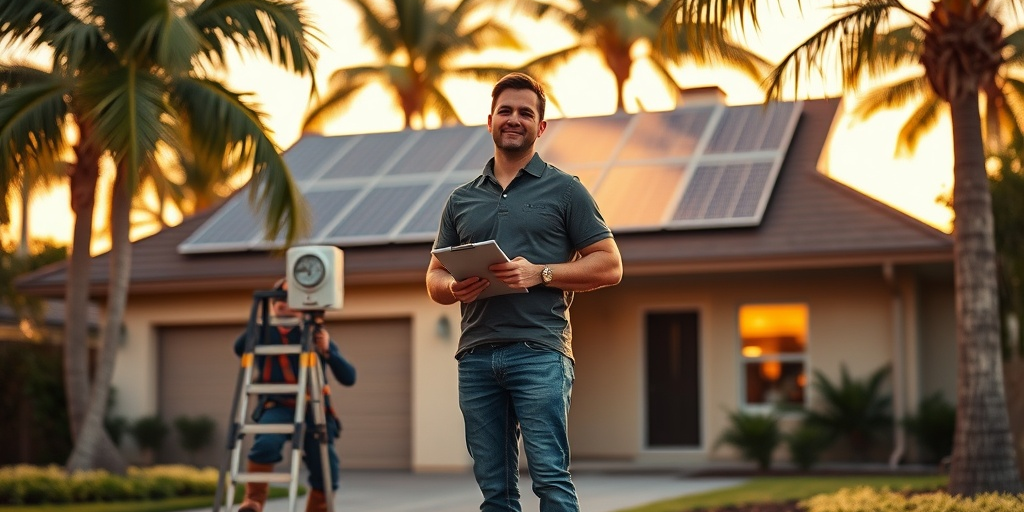
Amidst rising energy costs and the escalating impact of climate change, one question reverberates across households in Florida: “Is solar panel installation only for the affluent?” Many people, despite their yearning for clean energy solutions, dismiss the idea of solar power, convinced that it’s an exclusive club for wealthy homeowners. But the truth—which might surprise you—is that anyone can join the solar revolution, regardless of their financial situation. In the article titled “Myth: Solar Panel Installation Is Only for Rich Homeowners”, we will dissect this common misconception and reveal the genuine affordability of solar panels.
As of now, about 60% of Americans are unaware of the substantial savings potential solar energy offers (SEIA.org), and this misunderstanding is prevalent in Florida. Local incentives and rebates have led to a significant increase in solar installations, with a remarkable growth of over 20% in Florida’s solar photovoltaic capacity during the last year (Energy.gov). However, as we approach 2025, high-energy costs, new solar incentives, and the urgency for a sustainable future make this topic even more pressing. By uncovering the myths surrounding the accessibility of solar power, we not only educate ourselves but also empower our communities.
In this guide, we will explore:
- Case Study: A hypothetical Floridian family’s solar journey and how they overcame misconceptions.
- Checklist: Five actionable steps to assess whether solar is right for you.
- Myth-Buster: Five widespread beliefs about solar installation debunked.
- Local Focus: Florida-specific incentives and statistics that make solar a viable option for everyone.
- Technical Deep-Dive: Exploring the technical aspects of solar systems and financing options.
Solar Panel Installation Is More Accessible Than You Think
Imagine a sunny afternoon in Gainesville, Florida. The Johnson family, once skeptical about solar energy, has taken a transformative step to power their home with clean energy. They previously believed, like many others, that solar panel installation was only within reach of affluent families. However, after researching and connecting with local solar experts, they discovered financial incentives that made the switch not only feasible but economically beneficial.
The Johnsons began their journey with a simple online inquiry, prompted by seeing their neighbors capitalizing on the environmental and financial benefits of solar energy. By analyzing their energy bills and situation through a feasibility study, they identified that their average monthly consumption could be significantly offset with the right system. A typical installation cost for solar panels can range anywhere from $15,000-$30,000 before incentives, but with Florida’s tax credits, utility rebates, and federal incentives, their net cost dropped dramatically.
After applying for local solar financing options that allowed them to pay over time, they realized they could own their power and significantly reduce their monthly electric bills. The Johnsons estimated savings of about $130 per month, allowing them to recoup their investment in approximately seven years. Beyond the dollars and cents, they felt empowered knowing they were contributing to a cleaner environment for future generations.
This case study exemplifies that financial accessibility does not equate to quality or performance. Here are the steps the Johnsons took to make their solar dream a reality:
- Step 1: Assess Solar Potential. They had a roof assessment done to determine the optimal placement and size of the solar system.
- Step 2: Research Financing Options. They explored various financial pathways, including leasing, purchasing outright, and financing through loans.
- Step 3: Investigate Incentives. They identified local, state, and federal programs available to them which subsidized their installation costs.
- Step 4: Compare Solar Installers. The Johnsons sought quotes from multiple local solar companies, learning about warranties and service plans.
- Step 5: Monitor Energy Production. Post-installation, they utilized mobile apps to track solar energy production and savings, ensuring transparency.
The journey illustrates that with informed steps and available resources, solar energy can be accessible to everyone, tearing down the walls built by misconceptions. However, let’s delve deeper into the myths surrounding solar panel installation.
Debunking the Myths of Solar Power and Installation
When considering solar energy, five myths often arise that keep potential customers from taking action. Let’s examine each one.
Myth #1: Solar panels are too expensive for the average homeowner. While initial installation costs can seem daunting, the reality is that a variety of financial incentives significantly reduce that cost. In fact, with federal tax credits of up to 26% (SEIA.org) and local discounts, many families recover their investment within a decade.
Myth #2: Solar is only for sunny locations. Solar panels can generate electricity even on cloudy days. In Florida, the sunlight availability averages over 250 sunny days per year, making it an ideal place for solar energy (Energy.gov).
Myth #3: Solar energy doesn’t work during power outages. While traditional grid-tied solar systems may not function during outages, homeowners can invest in battery backup systems that store energy for use in emergencies.
Myth #4: Solar panels are not aesthetically pleasing. Innovations in solar technology have led to sleek designs that integrate seamlessly into many architectural styles, and many homeowners find them attractive.
Myth #5: Solar energy doesn’t save you money. Quite the opposite! In Florida, the average savings can reach thousands over a system’s lifespan when factoring in rising electricity rates. The average Florida homeowner can save about $20,000 over 20 years (SolarReviews.com).
These myths serve as barriers to entry, but addressing them effectively encourages more homeowners to investigate solar technology. As we explore these myths from different angles, it becomes apparent that the solution is not just for the affluent—it belongs to everyone.
Florida-Specific Solar Incentives and Opportunities
The Sunshine State boasts an array of local incentives and programs designed to make solar energy viable for homeowners with varying income levels. Florida Power & Light Company (FPL) and other utility companies offer rebates for eligible solar installations, helping lower installation costs and incentivizing homeowners to embrace clean energy solutions. The net metering policy allows homeowners to sell excess energy back to the grid, providing an additional stream of savings.
- Property Tax Exemptions: In Florida, solar installation does not increase your home’s assessed value, meaning no additional property tax burden (DSIREUSA.org).
- Federal Solar Tax Credit: Homeowners can deduct 26% of the cost of their solar system installations from their federal taxes, potentially saving thousands.
- Local Grants and Incentives: Many municipalities have their own incentives; research your local programs to take full advantage.
By becoming educated on the available financial tools and incentives, Florida homeowners can make informed decisions regarding solar energy. A well-informed approach to solar can lead to significant monetary and environmental benefits while empowering communities to mitigate stagnating energy costs.
If you wish to transition to solar energy, exploring financial options and how they can specifically work within Florida’s framework is crucial—consulting with local experts like floridaelectricandsolar.com can greatly enhance your understanding and comfort level in moving forward.
5 Expert Solar Installation Tips for 2025
As solar technology rapidly advances and interest builds, knowing how to navigate your solar journey will ensure a seamless transition. Here are five expert tips to make your experience positive.
- Don’t Rush the Research: Take time to understand your energy needs. Analyze your electric bills to gauge solar sizing requirements.
- Choose the Right Installer: Select a certified and reputable installer—check reviews and compare quotes to ensure quality service.
- Understand Financing Options: Explore various financing solutions to find what aligns best with your financial capabilities; don’t be afraid to ask questions.
- Engage in the Community: Connect with local solar advocates and attend community forums; peer experiences can provide insights and enhance understanding.
- Monitor and Maintain: Regularly check your solar production and schedule maintenance to ensure your system operates at peak efficiency.
Solar energy is not just about installation; it is about embracing a lifestyle that puts you in control of your energy future. When you equip yourself with knowledge and the right resources, you’re set for success.
A Fictional Yet Realistic Solar Journey
Meet the Garcia family, a fictional but relatable representation of a Florida household venturing into solar energy. After facing steep increases in their energy bills, they became motivated to find a sustainable solution. The Garcias lived in Sarasota and began to notice their neighbors installing solar panels—striking up curiosity about the potential savings involved. They initially feared that the costs would spiral beyond their budget, stemming from the long-standing myths that solar does not cater to their socio-economic status.
Through diligent research, they discovered that solar installations had significantly lowered over the years and could fit into their budget with the right plan in place. They reached out to local solar providers, and through discussions, they learned about loan options that required no upfront payment.
Equipped with information, the Garcias assessed their property. Here’s how they navigated their path to solar:
- Understanding Their Energy Needs: They calculated their average energy use and measured their roof space to determine the needed panel quantity.
- Incorporating Quality Equipment: They selected high-efficiency panels and inverters ensuring optimal performance and longevity.
- Investment Decisions: Choosing a loan program with zero upfront investments gave them immediate access to solar energy.
- Local Solar Programs: They took advantage of local incentives such as the Home Energy Conservation program, maximizing their savings.
- Continuous Monitoring: They utilized a smart energy management system to track production and efficiency.
As the months passed, their energy bills dropped dramatically. They felt pride knowing they were not only reducing their dependence on fossil fuels but also investing in their financial future. Their compelling narrative serves as a valuable reminder—access to solar technology is broadening, and no one should dismiss the benefits of renewable energy due to preconceived notions.
Next Steps for Florida Solar Buyers in 2025
For many homeowners in Florida contemplating solar adoption, the next steps are crucial. Here are your action items to get started:
- Audit Your Electric Bill: Carefully review your monthly energy usage to determine what size solar system will best suit your needs.
- Determine Your Financing Options: Research whether to purchase or lease solar panels or opt for a financing plan; each has pros and cons.
- Research Local Installers: Get quotes from multiple vendors, review customer testimonials, and ensure they have the proper licenses and certifications.
- Explore Tax Incentives: Familiarize yourself with state and federal incentives available to minimize your upfront costs.
- Schedule a Consultation: Reach out to experts like floridaelectricandsolar.com to evaluate your specific situation and understand viable pathways forward.
Each step not only decreases the worry of fraudulent advice but also empowers you in your endeavor toward a sustainable future. By owning your energy solution, you’re not just saving money—you’re making an investment that reverberates into future generations.
As we reach the conclusion of this exploration of solar energy’s potential to serve all Floridians, remember that transitioning to solar power is not limited by wealth—it is fueled by knowledge. Understanding the realities of affordability, harnessing local resources, and debunking misconceptions unlock the doors to clean energy for everyone. The journey may require effort, but with the program’s vast benefits, you pave your way toward independence.
Ready to start your solar journey in 2025? Connect with a certified expert at floridaelectricandsolar.com today.
Related Articles
More insights about Solar Panel

Florida Homeowners: Why Solar Panel Maintenance Is Essential

7 Essential Steps for Solar Panel Installation Success

Expert Insights: Key Factors Influencing Solar Panel Lifespan
Ready to Go Solar?
Have questions about solar energy? Our experts are here to help you make the switch to clean, renewable energy.