
Myth: Solar Panel Installation Is Only for Wealthy Homeowners
Share:
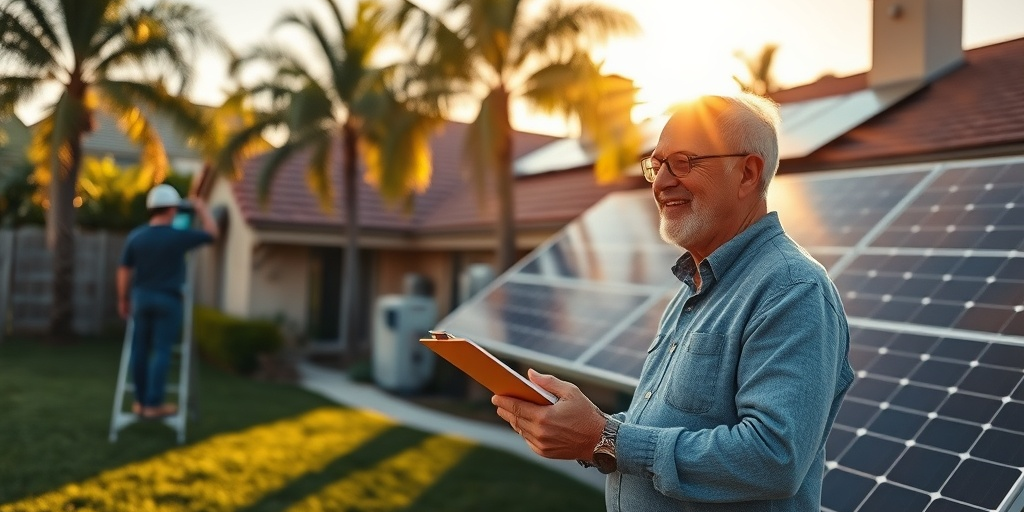
When you think of solar energy, what image pops into your mind? A vast array of gleaming photovoltaic panels on the rooftops of sprawling mansions? The common misconception that solar panel installation is only for wealthy homeowners is one that needs to change, especially as we head into 2025. Surprisingly, data shows that in the last decade, the cost of solar panels has decreased by nearly 90% (SolarReviews.com). Furthermore, according to the Solar Energy Industries Association, more than 2 million homes in the U.S. now run on solar power (SEIA.org). This means that more Americans, including Florida homeowners and commercial property owners, are likely eligible for solar options than you might have realized. This topic matters urgently as rising energy costs, increasing state incentives, and national shifts in energy policy create a perfect storm for solar adoption.
In this article, titled Myth: Solar Panel Installation Is Only for Wealthy Homeowners, we will dissect this myth, showing how solar power can be accessible to everyone, regardless of their economic background. As we explore this myth, we’ll share real stories, actionable steps, and data to help guide your decision-making. So, whether you are a homeowner or manage a commercial property, you’ll find valuable insights on the following topics:
- A deep dive into the real financial accessibility of solar panels.
- A checklist for evaluating your solar options.
- An in-depth myth-busting roundup.
- Florida-specific data that showcases local trends.
- A comprehensive technical breakdown of solar systems and their benefits.
The Real Cost of Solar: How Availability Stretches Beyond Wealth
Imagine Lisa, a single mother living in Orlando, Florida. After several years of grappling with skyrocketing electric bills, she faced a dilemma; she was already living paycheck to paycheck. Yet, after some research, she decided to look into solar energy. With assistance from community programs and financing options, Lisa found a way to install solar panels on her modest home. Within a year, she reported a savings of over $1,200 on her electric bills, allowing her to spend more on her children and less on exorbitant utility costs.
This is one of many similar stories demonstrated across Florida. In reality, costs associated with solar panel installations are widely variable, and many financing options exist that make it attainable for middle-income families. Here are some actionable steps followed successfully by homeowners like Lisa:
- Research Financing Options: Various local, state, and federal programs offer incredible financing opportunities that ease the upfront cost burden.
- Investigate Community Programs: Florida’s focus on renewable energy has led to several local programs designed to assist lower-income households in going solar.
- Analyze Roof Space and Position: Utilize satellite imagery and local resources to evaluate your roof’s potential for solar energy capture.
Additionally, it’s important to bust the myth that solar is only for the affluent. A survey by the National Renewable Energy Laboratory showed that in 2021, the average cost of solar installations for residential customers dropped below $3 per watt (NREL.gov). For context, in 2010, prices were closer to $8 below per watt. This staggering reduction has made solar energy not only an environmentally viable option but a financially sound investment as well.
Benefits and Steps to Going Solar in Florida
Step 1: Understand Your Electricity Usage. Start by evaluating last year’s electric bills. Most homeowners discover they consume between 900 to 1,200 kWh per month. Accurate data will inform how many solar panels you’ll need.
Step 2: Take Advantage of Incentives. Florida offers a range of incentives and rebates for adopting solar energy. For example, Florida’s 26% federal tax credit allows homeowners to deduct a substantial amount from their taxes after installing solar panels.
Step 3: Consult Local Solar Experts. With so many options, a local expert can tailor a solar plan that meets your needs and budget. Whether you’re applying for financing or researching panel types, professional guidance is essential.
Step 4: Long-Term Financial Planning. Solar energy systems add value to your home, and with financing options that range from power purchase agreements to loans, there’s a path for just about everyone. Tread carefully, but remember that you’re investing in a sustainable future.
Step 5: Join the Community. Engage with your local solar community. Many neighborhood groups share valuable experiences and can help ensure you make the best choices. Visit floridaelectricandsolar.com to connect with local experts.
Myth-Buster: Common Misconceptions About Solar Accessibility
Despite all the advances and affordability, myths about solar energy persist. Let’s take a closer look:
- Myth #1: Solar is only for homeowners with large incomes. Truth: Many affordable financing options cater to diverse socioeconomic backgrounds. Federal programs also aim to promote inclusive access.
- Myth #2: Solar panels are too expensive to maintain. Truth: Most solar energy systems require minimal maintenance and have warranties that last 20-25 years (SEIA.org).
- Myth #3: All solar panels look unattractive. Truth: Modern solar technology has evolved; panels can now be sleek and aesthetically pleasing.
Recognizing these myths allows Florida homeowners to make informed decisions. For instance, studies from the Solar Energy Institute indicate that areas with community solar projects have higher solar adoption rates (Energy.gov). This highlights a collaborative effort to democratize solar access.
Florida Solar Landscape: Trends and Data
Florida’s landscape presents unique advantages for solar adoption. With an average of 237 sunny days per year, the Sunshine State is aptly named. The potential for solar generation here is immense. The Florida Public Service Commission reported that residential solar capacity has increased tremendously, with up to 15% of homes now utilizing solar power (FPSC.org).
Here are four key factors driving this growth:
- Incentives: State-level rebates and credits are compelling additional reasons for homeowners to consider solar.
- Net Metering: This allows you to receive credit for energy your system produces that you don’t immediately use.
- Environmental Awareness: Many Floridians are choosing solar to combat the adverse effects of climate change.
- Community Support: Local governments and NGOs are fostering initiatives to promote solar energy.
As these trends evolve, the partnerships between local governments and energy companies become increasingly influential. For homeowners, understanding these dynamics means unlocking powerful resources and solutions suited for their specific situations.
Technical Deep-Dive: Navigating Solar Technology in 2025
Heading into 2025, the landscape of solar technology is becoming increasingly sophisticated. Net energy metering policies continue to evolve, enabling greater financial returns on solar investments. To elevate your understanding, let’s unpack the essential components of a solar system:
- Solar Panels: The heart of your solar system, today’s panels are more efficient than ever, boasting efficiencies above 20%.
- Inverters: These convert solar energy into usable electricity for your home. There’s a range of options, including string inverters and microinverters.
- Batteries: Adding storage allows you to save energy for later use, enhancing your system’s efficiency and providing backup power during outages.
According to a report by Grand View Research, the global solar battery market is projected to reach $7.8 billion by 2026, just emphasizing the importance of these systems and their integration into everyday life (GrandViewResearch.com).
Next Steps for Florida Solar Buyers in 2025
As you consider joining the growing community of solar users, follow these actionable next steps:
- Audit Your Electric Bill: Review your usage and expenses. This will inform your solar strategy.
- Explore Financing Options: Research loans, leases, and power purchase agreements that can work for your budget.
- Get Multiple Quotes: Always consult at least three solar companies to compare prices and services.
- Evaluate Installation Companies: Check reviews, references, and warranties of installation companies to find reputable providers.
- Make a Decision: After all research and consultation, take the leap that can lead to energy independence and substantial savings.
To embark on your solar adventure, don’t hesitate to reach out for expert advice at floridaelectricandsolar.com.
In conclusion, navigating through the myriad options available for solar energy can yield remarkable benefits—financially, environmentally, and personally. Understanding that solar panel installation is not only accessible for wealthy homeowners but a viable choice for many on diverse budgets empowers Florida residents to make intelligent decisions. By leveraging incentives, community engagement, and technological advancements, anyone can take charge of their energy future in 2025. Don’t let myths hold you back; the time to act is now. Are you ready to start your solar journey? Connect with a certified expert at floridaelectricandsolar.com today.
Related Articles
More insights about Solar Panel

Florida Homeowners: Why Solar Panel Maintenance Is Essential

7 Essential Steps for Solar Panel Installation Success

Expert Insights: Key Factors Influencing Solar Panel Lifespan
Ready to Go Solar?
Have questions about solar energy? Our experts are here to help you make the switch to clean, renewable energy.