
Myth: Solar Panel Installation Only Works for Huge Roofs
Share:
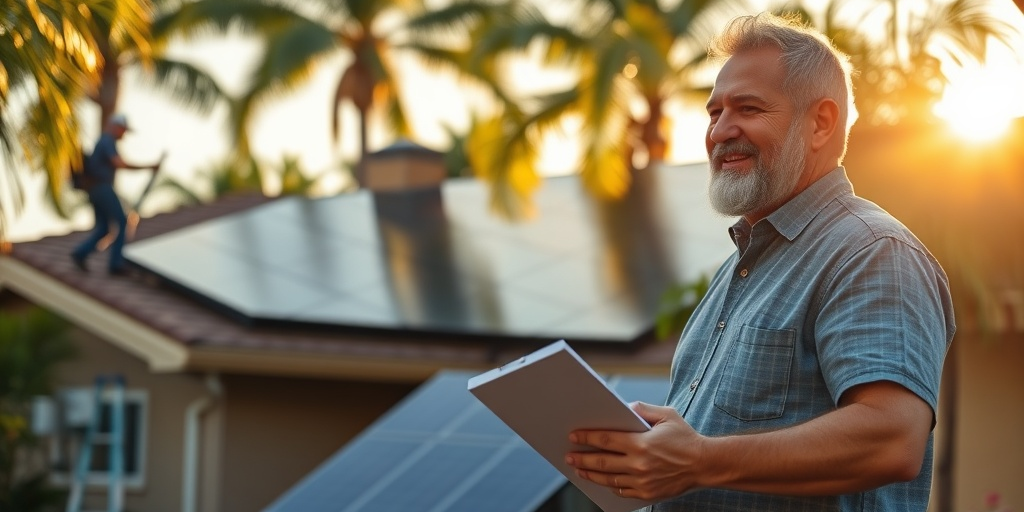
Did you know that 80% of Florida homeowners are still misinformed about solar energy? If you’ve ever thought that solar panel installation only works for huge roofs, you’re not alone. This common perception is a myth that can prevent many from embracing the significant benefits of solar power. In “Myth: Solar Panel Installation Only Works for Huge Roofs,” we’ll delve deep into why solar panels are not limited to those mansion-like structures. A staggering 89% of Florida residents are eligible for some form of state incentive for going solar, yet myths about roof size still prevail (SEIA.org). In an age where energy costs keep rising and renewable options are becoming increasingly vital for our planet, understanding how your home can utilize solar power is urgent—especially in 2025, as the market evolves and incentives become more attractive.
In this blog post, we will tackle five key sections:
1. A detailed case study that illustrates the diverse possibilities of solar installation, even for smaller roofs.
2. A practical checklist to help you determine if your home is suitable for solar.
3. Clarification of the top myths surrounding solar panel effectiveness.
4. A local focus on Florida’s specific solar landscape and regulatory frameworks.
5. A technical deep dive into how solar technology functions, regardless of roof size.
By the end of this article, you’ll be equipped with the knowledge to make an informed decision about solar energy for your home. Let’s begin this journey together!
Case Study: The Johnson Family’s Unexpected Solar Success
Meet the Johnsons, a family living in a quaint 1,600-square-foot bungalow in Orlando. Like many homeowners, they were initially deterred from considering solar energy because their home has a modest-sized roof combined with a tree-lined backyard, limiting direct sunlight exposure. However, when they learned about the options available through Florida Electric & Solar, they decided to explore solar better. After a thorough consultation, they discovered that their roof could be perfectly suited for solar installation.
The Johnsons were guided through a detailed checklist by their solar consultant, which included several possibilities like microinverters and solar batteries, demonstrating that solar could be customized for various conditions. Over the next few months, they underwent the installation and were amazed at the outcome: their energy bills dropped by over 60% (SolarReviews.com), and they fell within the tax credit limits that made this conversion financially beneficial. This case illustrates the critical perspective that solar energy isn’t just for expansive roofs—it’s an option for every homeowner who wants to harness the sun’s power.
- Step 1: Assess your roof structure—consider angles, shading, and size.
- Step 2: Explore various solar technology options—like varying panel sizes and battery solutions.
- Step 3: Conduct a consultation with a certified solar provider to discuss feasibility, costs, and savings.
- Step 4: Review available state and federal incentives—Florida offers solar rebates to many homeowners.
- Step 5: Make the leap and enjoy energy independence!
This insightful case showcases a vital understanding: solar panel installation can indeed work for all homeowners, regardless of roof size. When weighing solar energy against traditional energy sources, make sure to take into account the latest advancements contributing to higher efficiency and custom solutions tailored to fit each unique situation. Thus, if you think your home lacks the space, remember the Johnsons; they turned their modest rooftop into a beacon of energy savings!
Myth-Buster: Top Misunderstandings about Solar Installation
Now, let’s tackle some common myths that plague Florida homeowners concerning solar panels. Unpacking these misconceptions will arm you with the truth and propel you one step closer to owning your power.
Myth #1: Solar energy is only for big houses with large roofs.
Contrary to popular belief, solar panel systems are modular and can be adapted for homes of all sizes, including smaller roofs. Various solar technologies, like microinverters, require less space and are effective in generating energy even from modest installations (NREL.gov).
Myth #2: My roof has to be perfectly south-facing for solar to work.
While a south-facing roof is optimal, east and west-facing roofs can still be effective. Energy produced can be maximized through proper system design and component selection, allowing sunlight to be captured at various angles.
Myth #3: I can’t install solar panels because my roof is too shaded.
If your roof has shading issues, there are solutions. A skilled installer can incorporate batteries and other technologies to maximize efficiency, even under non-ideal conditions.
Myth #4: Solar panels are too expensive to install.
With the upward trend in fossil fuel costs, combined with federal and state incentives (Florida offers a property tax exemption for solar equipment), more homeowners are finding solar to be an economically feasible option. In fact, consumers can even achieve a return on investment within a few years (SEIA.org).
Myth #5: Solar isn’t worth it in Florida’s storm-prone climate.
In reality, modern solar panels are built to withstand Florida’s unique weather conditions. The durability of these panels guarantees that they continue to generate power during storms, provided they are installed correctly (FloridaPublicUtilities.com).
Arming yourself with accurate information about solar panel installations can significantly aid in deliberating over whether solar energy is the right choice for you. With Florida’s commendable incentives and evolving technology, there has never been a better time to tap into this renewable resource.
Local Focus: Solar Energy in the Sunshine State
Florida’s sun-kissed landscape offers an abundance of potential for solar energy generation. In 2025, experts estimate that solar energy will become a much more affordable option as prices drop and installation techniques advance (Energy.gov). By understanding the various local policies available to Florida homeowners, you can maximize the benefits that state incentives allow.
- State Rebate Programs: Florida’s solar rebate programs can reduce upfront installation costs significantly, making it easier for families to adopt solar energy.
- Net Metering Policies: Florida’s net metering policy allows homeowners to receive credits on their utility bills for excess electricity generated, ensuring a faster return on investment.
- Property Tax Exemptions: Florida homeowners are exempt from property taxes on their solar installations, meaning your home’s value should not increase due to this energy system installed, which is a huge financial advantage.
Understanding these localized factors allows Florida homeowners to leverage the available incentives fully. As a solar company, Florida Electric & Solar is committed to guiding you through this process, ensuring you can obtain the best local resources available in solar energy.
Technical Deep-Dive: Understanding Solar Technology for All Roofs
Diving into the technical aspects of solar energy, it’s essential to recognize how various systems cater to all roof types, large or small. In 2025, advancements in solar technology will continue to open doors for smaller homes. Key technical components include:
- Solar Panels: Different panels, such as monocrystalline, polycrystalline, and thin-film, have unique attributes conducive to specific installations—ideal for adapting to limited space.
- Inverters: The inverter acclaims the brain of your solar system, transforming the electricity generated into a usable form. Modern inverters optimize energy conversion and enhance efficiency.
- Battery Storage: Solar batteries collect excess energy generated during peak sunlight hours, allowing homeowners to use solar energy even during outages or at night. This tech is vital for maximizing space efficiency.
By dissecting these technological nuances, homeowners can better understand how solar energy systems can be tailored for their roof size and specifications. As new products emerge, staying informed ensures you can make the best choice about solar for your individual situation.
Next Steps for Florida Solar Buyers in 2025
As you consider transitioning into solar energy, it’s crucial to take actionable steps that can make your journey smooth and efficient. Here’s a sequential plan to help you get started on your solar journey:
- Audit Your Electric Bill: Examine your last few electric bills to establish a baseline of your energy consumption and costs.
- Evaluate Your Roof: Have a professional solar consultant evaluate your roof layout, orientation, and shading to ascertain the best plan of action.
- Research State Incentives: Familiarize yourself with state and federal solar incentives that could enhance your return on investment and lower upfront costs.
- Engage with a Solar Consultant: Reach out to a certified expert at Florida Electric & Solar to discuss your options, review data, and gather tailored quotes.
- Monitor Progress After Installation: Stay engaged with your solar system’s performance post-installation to ensure it operates efficiently.
By following these steps, you are on your way to reducing electric bills while supporting a cleaner environment. Solar energy is not just a trend; it’s a robust solution that every Florida homeowner should explore in 2025.
As we wrap up, let’s recap the remarkable potential of solar energy for Florida residents. With advances in technology, solid state incentives, and myth-busting facts, it’s clear that solar power can work for all types of roofs, large or small. Sustainable energy solutions are not just about financial savings—they’re about securing a brighter, cleaner, and more independent future for your family. Take charge of your energy today.
Ready to start your solar journey in 2025? Connect with a certified expert at floridaelectricandsolar.com today.
Related Articles
More insights about Solar Panel

Florida Homeowners: Why Solar Panel Maintenance Is Essential

7 Essential Steps for Solar Panel Installation Success

Expert Insights: Key Factors Influencing Solar Panel Lifespan
Ready to Go Solar?
Have questions about solar energy? Our experts are here to help you make the switch to clean, renewable energy.