
Myth: Solar Panel Installation Doesn’t Work for Small Homes
Share:
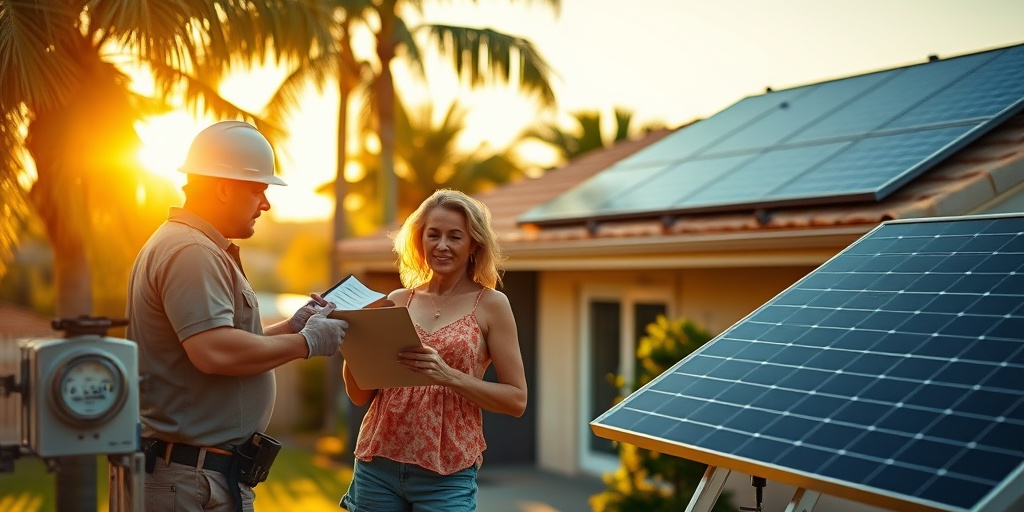
Have you ever felt like your dreams of energy independence were out of reach, particularly if you live in a smaller home? If that sounds familiar, you’re not alone. Many Florida homeowners mistakenly believe that solar panel installation doesn’t work for small homes. That notion is not only incorrect but also detrimental to those seeking to cut their electric bills and move towards sustainable energy. According to the Solar Energy Industries Association (SEIA), solar panel installation has soared by over 167% in the last five years alone. That’s just one of the many compelling reasons to reconsider your stance on solar energy. In 2025, you’ll find that the urgency to adapt is greater than ever due to rising energy costs and new government incentives for renewable energy adoption. This article titled Myth: Solar Panel Installation Doesn’t Work for Small Homes aims to change your perspective on solar energy for smaller residences by addressing various misconceptions, unveiling the advantages, and providing actionable steps to maximize your savings.
Throughout this article, we’ll dive into five key areas:
- Case studies revealing how small homes can benefit from solar.
- A practical checklist to successfully transition to solar energy.
- Myth-busting common misconceptions about solar panels.
- Florida-focused insights on local policies and incentives.
- A technical deep dive into how solar technology works, specifically for smaller properties.
Small Homes Can Embrace Solar Power: A Case Study!
A notable example of a small home embracing solar energy is the story of the Martinez family from Sarasota, Florida. Their 1,200-square-foot energy-efficient bungalow used to incur monthly electric bills of approximately $200. After extensive research and many conversations with local solar companies, they decided to install a rooftop solar panel system with a total capacity of 6 kW. It was an investment that would transform their financial outlook.
Within just the first month of installation, the Martinez family noticed a fifty-percent reduction in their electric bill, saving about $100 monthly. Fast forward to one year later, and they have entirely paid off their initial investment because they claimed local incentives that significantly subsidized the installation costs. On top of that, they even switched to a new electric utility program that allows them to sell back excess energy they produce. This system, known as net metering, enables homeowners in Florida to receive credits for energy sent back to the grid, further reducing their overall electric costs.
Theirs is just one of many success stories to emerge in the Sunshine State, emphasizing that smaller homes are not overlooked in the realm of solar energy. In fact, about 1 out of every 7 homes in Florida has gone solar due to policies aimed at promoting renewable energy (Energy.gov). Not only does solar power provide outstanding savings, but it also elevates the property’s value considerably, an essential consideration for homeowners moving forward.
Checklist for Transitioning to Solar Energy
Transitioning to solar energy can seem overwhelming, but we’ve simplified the process into a clear checklist to guide you. By following these steps, you can simplify your journey to energy independence.
- Step 1: Audit Your Energy Consumption – Review your current electric bill to evaluate your monthly usage and costs. Understanding your energy habits can help you gauge how much energy you’ll need from solar.
- Step 2: Research Local Incentives – Investigate Florida’s solar incentives, such as the Property Assessed Clean Energy (PACE) program or the federal Investment Tax Credit, to reduce your upfront costs significantly.
- Step 3: Get Multiple Quotes – Contact various solar providers to get quotes, compare offers, and inquire about warranties, financing options, and installation timelines.
- Step 4: Evaluate Your Roof’s Suitability – Consider if your roof can support solar panels, factoring in angle, size, and potential shading from trees. Some home improvements might be necessary before installation.
- Step 5: Understand Financing Options – Research leasing versus purchasing solar panels to find the best financial approach for your lifestyle and budget.
Completing these steps ensures that you are well-prepared to make informed decisions about solar energy. Additionally, it’s crucial to check with floridaelectricandsolar.com for tailored advice about your specific situation.
Debunking Myths Surrounding Small Homes and Solar
Let’s break down some of the most common myths that deter homeowners from considering solar energy:
- Myth #1: Small homes can’t benefit from solar. This is categorically false. Smaller homes typically have lower energy needs, making it easier to meet those needs entirely or partly with solar energy, often resulting in significant savings over time.
- Myth #2: Solar installation is too expensive. While upfront costs can seem daunting, changes in technology have made solar more affordable than ever, while government incentives further decrease the initial financial burden.
- Myth #3: Solar panels don’t work in cloudy Florida. Surprisingly, solar panels are designed to collect energy from any type of sunlight. Florida’s climate, with abundant sunshine year-round, provides an optimum situation for solar power generation (SEIA.org).
- Myth #4: Solar energy systems require too much maintenance. The reality is that solar energy systems require minimal maintenance. Annual inspection and cleaning are typically all that’s necessary to keep the system efficient.
- Myth #5: Solar is only for homeowners. This is not true. Florida’s market has expanded to include solar leasing and community solar programs, allowing renters and condo dwellers to benefit from solar energy.
Breaking down these myths can liberate many skeptical homeowners from their concerns, paving the way toward clean energy adoption and thoughtful exploration of solar possibilities.
Local Focus: Florida’s Solar Landscape in 2025
Florida is leading the way in solar adoption in the United States, and recent changes in legislation only accelerate the trend. The Florida Public Service Commission recently approved a new net metering policy that will benefit small-homeowners by allowing them to sell back excess energy to utility companies, maximizing their financial returns.
Also, the state’s focus on solar initiatives under the Solar Energy Development Act aims to make solar energy accessible to all, regardless of home size. According to the Solar Foundation, Florida ranks third in the nation for total solar capacity (SolarReviews.com). By 2025, we anticipate that the number of homes adopting solar energy in Florida could increase by 25%, especially among smaller dwellings.
In the coexistence of state commitments towards renewable energy and individual choices to switch to solar, Florida is not only transforming its energy landscape but also encouraging everyone to reconsider how small homes can integrate sustainable technology. Therefore, do not underestimate your home’s ability to harness the sun’s power.
Understanding Solar Technologies for Small Homes
To truly grasp how solar energy can work effectively for small homes, it is important to dive into the technologies driving this renewable energy advantage. Here are seven key components to consider:
- **Solar Panels**: Typically, smaller homes can use between 10 to 20 solar panels based on their power requirements. The efficiency of panels has improved significantly, providing high output even in compact systems.
- **Inverters**: These devices convert the direct current (DC) from solar panels to alternating current (AC), which is what your home appliances use. High-quality inverter choices are crucial for optimizing your energy system.
- **Battery Storage**: Small homes can benefit significantly from battery storage systems, which store excess solar energy for use during nighttime or cloudy days. Modern options, like wall-mounted batteries, save space and maximize efficiency.
- **Smart Technology**: Home automation systems can be integrated with solar energy systems to optimize energy use, allowing homeowners to analyze their energy consumption and savings in real time.
- **Energy Efficiency Upgrades**: Before installing solar panels, consider energy-efficient improvements such as insulation or energy-efficient windows to reduce overall energy consumption, making your solar power go further.
- **Net Metering**: This policy allows homeowners to receive credit for their surplus energy production, which significantly reduces monthly electricity costs. It’s an essential feature for Florida homeowners taking the solar plunge.
- **Solar Tax Incentives**: Homeowners can take advantage of federal and state tax credits when installing solar systems, offering substantial financial relief.
Understanding these technologies allows homeowners to make informed choices, maximizing their solar energy investments while enjoying the peace of mind that comes with harnessing renewable energy.
Next Steps for Florida Solar Buyers in 2025
Making the decision to go solar is monumental, but it doesn’t have to be complicated. Here’s a succinct action plan to help you navigate the process seamlessly:
- Step 1: Conduct an Energy Audit – Understand your energy consumption to inform solar system sizing.
- Step 2: Explore Available Incentives – Research local and federal programs that can alleviate upfront costs.
- Step 3: Assess Your Roof – Determine whether your roof is suitable for solar panels; consult with a professional if needed.
- Step 4: Compare Installers – Obtain multiple quotes and ask about equipment quality, warranties, and installation timelines.
- Step 5: Finalize Your Financing – Explore financing options that work best for your financial situation—leasing, purchasing, or power purchase agreements.
By taking these concrete steps, you’re not just preparing for solar; you’re empowering yourself to make a significant impact on both your wallet and the environment. For more information about tailored solar solutions for your unique needs, visit floridaelectricandsolar.com.
In summary, as we’ve explored the various aspects of solar energy for small homes, it’s clear that the benefits are both compelling and transformative. The case studies reveal glowing testimonials from families who have substantially lowered their Qend electricity bills while enhancing their property value. The checklist empowers homeowners to take control of their energy future, and busting myths dispels lies that hold many back from exploring solar options. With an array of innovative technologies at our disposal, the transition to solar energy has become simpler and more effective than ever before.
As you consider making this leap forward in 2025, remember that the capacity for solar energy exists for every Florida homeowner—regardless of home size. The time to act is now; do not let another year pass by without exploring what solar can do for you. Ready to start your solar journey in 2025? Connect with a certified expert at floridaelectricandsolar.com today.
Related Articles
More insights about Solar Panel

Florida Homeowners: Why Solar Panel Maintenance Is Essential

7 Essential Steps for Solar Panel Installation Success

Expert Insights: Key Factors Influencing Solar Panel Lifespan
Ready to Go Solar?
Have questions about solar energy? Our experts are here to help you make the switch to clean, renewable energy.