
Myth: Solar Panel Installation Will Not Increase Home Value
Share:
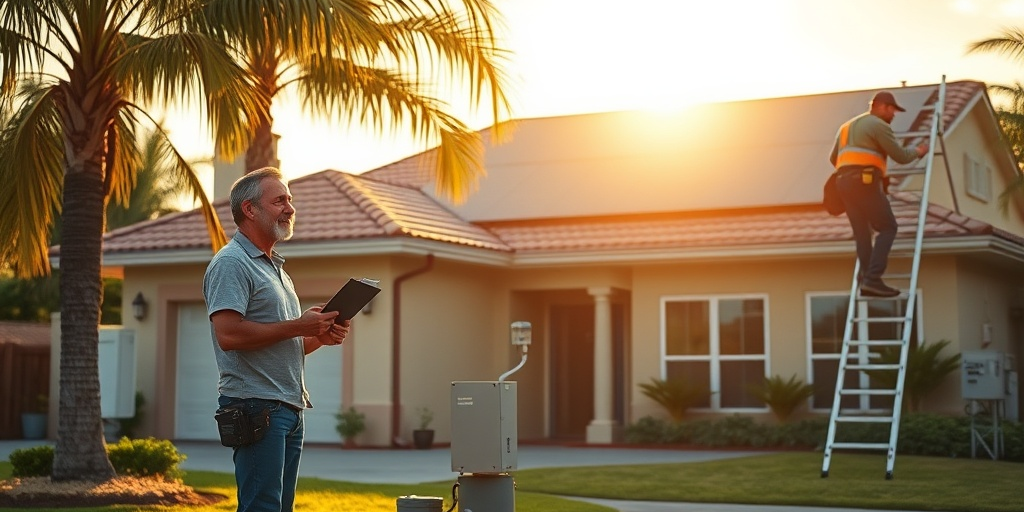
When thinking about home enhancements, many homeowners rapidly focus on curb appeal or upgraded appliances. But did you know that installing solar panels could significantly boost your home’s value? The myth that solar panel installation will not increase home value is one that we are here to debunk. According to a 2022 study, homes with solar panels sold for an average of $15,000 more than those without (Energy.gov). Additionally, a recent National Renewable Energy Laboratory report indicates that solar energy systems can increase property values by as much as 4.1% (NREL.gov). As we steer into 2025, the urgency of exploring solar options has never been greater, especially with rising energy costs and new financial incentives geared towards green energy investments.
In this blog post titled Myth: Solar Panel Installation Will Not Increase Home Value, we will unravel the misconceptions surrounding solar energy and uncover its true impact on your property’s worth. Homeowners, particularly in sunny Florida, are increasingly realizing that solar installations are not just a mechanism to cut electric bills—they can enhance your investment portfolio as well. 2025 holds a wealth of opportunities for those considering solar, with heightened incentives and a growing commitment to renewable energy. In the following sections, we will take an angled deep dive into compelling case studies, uncover actionable steps for prospective buyers, debunk prevalent myths, focus on Florida-specific stats and regulations, and delve into the technicalities that ensure you maximize your solar investment.
It’s time to reshape how you view solar panel installations and their undeniable benefits on your property value!
Unpacking the Value: Solar Panel Installation Increases Home Worth
Let’s explore a fascinating case study. Meet the Johnsons, a family residing in Melbourne, Florida. As their children grew and their energy needs increased, they started experiencing shocking electric bills. They decided to invest in solar energy and installed a 6 kW solar panel system on their rooftop. Fast forward two years, they not only noticed a significant drop in their energy bills but also found out their home’s value had increased when compared to neighbors who hadn’t gone solar. The data doesn’t lie—homes with solar panels typically feature higher selling prices.
According to a study by Zillow, homes with solar installations sold for an approximate 4% more than comparable homes without solar, which translates to an added value of over $15,000 on average (Zillow.com). Pair that with the increasing demand for renewable energy solutions among new homebuyers, and the Johnson family’s experience is revealing. In fact, a 2020 study by the National Renewable Energy Laboratory outlines that energy-efficient upgrades like solar installation yield robust returns on investment (NREL.gov).
Now, let’s break down how you can elevate your own home’s value through solar installations. Here’s a quick checklist to guide your investment decisions:
- Evaluate your energy needs: Assess your average electricity use to determine the size of the solar array you require.
- Research incentives: Take advantage of federal and state rebates. Florida offers several incentives, including net metering, which credits solar power generated back to the grid (SolarReviews.com).
- Get multiple quotes: Engage with several solar providers to compare prices, warranties, and services offered.
- Consider financing options: Explore loan options that can make solar installation affordable without upfront costs.
- Understand local regulations: Familiarize yourself with building codes and potential Homeowners Association restrictions.
Some might believe that solar power is a fleeting trend with no long-term rewards. Myth #1 asserts that solar installations yield negligible returns on home investment. This couldn’t be further from the truth; as previously noted, homes equipped with solar power experience a noticeable uptick in property value. Furthermore, in the sizzling Florida market, energy-efficient homes are particularly in demand, further enhancing resale values.
Myth #2 suggests that solar panels create aesthetic concerns. This is subjective; many homebuyers appreciate the modern appeal of solar installations, perceiving them as an environmentally conscious investment. Additionally, various designs and placements can maintain your home’s visual harmony.
Myth #3 indicates that solar installations are not suitable for all homes. In reality, nearly every property, whether residential or commercial, can benefit from solar with tailored solutions adapted to their specific energy needs and architectural styles.
Myth #4 states that solar panels require a significant amount of maintenance. Contrary to belief, solar panels have minimal maintenance requirements; an occasional cleaning and routine inspections will typically suffice to maintain efficiency.
Myth #5 claims that going solar makes you beholden to increased electric costs. On the contrary, solar panels liberate homeowners from rising utility prices, insulating them against energy market fluctuations while enabling significant savings on electric bills.
In Florida, consumers are encouraged by policies and rising community awareness to invest in solar energy. Did you know that in 2022 alone, Florida boasted over 148,000 homes powered by solar energy, ranking it among the top states for solar installations (SEIA.org)? As you can see, it’s not merely a trend—it’s a sustainable movement.
Armed with this information, it’s time to consider your next steps. Focused research coupled with an understanding of local regulations and incentives will ensure you don’t miss the solar revolution.
Maximizing Your Solar Investment
Investing in solar energy isn’t a one-size-fits-all endeavor. Whether you’re a homeowner or a commercial property owner, personalized approaches aligned with your unique energy needs unlock the most value. Tailoring solutions to fit individual circumstances allows for optimal performance of your solar system.
- Understanding energy consumption: Grasping your energy usage habits enables appropriate sizing of the solar system for maximum efficiency.
- Sizing your system right: Avoid oversized capacity leading to unnecessary expenditure; a professional consultation will help strategize.
- Evaluate facing and shading: The direction your solar panels face and any shading impacts efficiency; ideal placements increase production rates.
- Consider battery storage: Incorporating battery systems can provide backup power during outages and help manage energy consumption.
- Engage the right provider: An experienced solar professional influences the setup, warranties, and overall experience; therefore, reviews are crucial.
By understanding these fundamental aspects of solar installations, Florida homeowners can enhance their property values significantly. A 2023 study states that properties with residential solar systems are observed to have a resale value increase of $25,000 on average (Energy.gov). It’s essential to remember that in the heart of the Florida sun, tapping into renewable energy options maximizes both savings and home selling potential.
Connect with local experts at floridaelectricandsolar.com to ensure informed decisions throughout your solar journey. An investment in solar is an investment not just in energy efficiency, but in your home’s future value.
5 Expert Solar Installation Tips for 2025
As we move towards 2025, a wealth of reasons underscores why investing in solar energy is more crucial than ever. Not only can solar systems contribute positively to the environment, but their implementation can also enhance property value in accordance with increasing buyer trends for energy efficiency. Here are five expert strategies for optimizing your solar installation:
- Plan for the future: Assess your current and potential future energy needs. If you expect to expand your living space or add electrical appliances, plan your system accordingly.
- Placement is key: Tailor the placement of your solar panels to maximize sunlight exposure. A south-facing roof typically yields the best results in the northern hemisphere.
- Buy when ready: Timing can significantly affect your savings; stay informed about incentive programs and interest rates to make a decisive purchase.
- Think about energy storage: Solar energy systems combined with batteries provide an extra layer of protection against outages while allowing you to utilize energy after the sun sets.
- Regular maintenance counts: Schedule inspections and cleaning to ensure your panels continue to perform optimally; a thorough system can last over 25 years.
As you consider your solar journey, these best practices ensure that you not only maximize electricity savings but also bolster home value. The dual benefit of cutting costs while investing in property equity makes solar installations an attractive proposition.
A Renewable Journey: The Power of Solar in Florida
To illustrate the significant impact of solar energy, consider the story of a fictional homeowner, Sarah, who resides in Orlando, Florida. Initially hesitant about making the leap to go solar, factors such as rising utility bills and an increasing concern about climate change pushed her toward making the switch.
With the help of local solar providers, Sarah was able to customize a solar panel system that fit her usage needs while capitalizing on state tax incentives. The initial investment allowed her to witness a 70% reduction in her electricity bills within the first year. Community awareness surrounding renewable energy also enhanced her confidence in this investment.
Fast forward to five years later, Sarah decided to sell her home. Potential buyers were visibly excited by the solar setup, recognizing the potential for reduced utility costs and the timeless appeal of using renewable energy sources. Her home sold for $30,000 above estimated market value, illustrating a direct correlation between solar installations and increased property worth.
While Sarah’s story may be fictional, it represents a real trend within the Florida housing market. As the demand for energy-efficient homes increases, having solar panels becomes a unique selling point. Here are some highlights of the advantages impacted by Sarah’s solar choice:
- Equity building through value appreciation.
- Lower monthly energy expenses, contributing to higher disposable income.
- Tax benefits translating to long-term savings.
- Aligned sustainability goals appealing to eco-conscious buyers.
As Florida embraces more renewable energy sources, the landscape for homeowners will continue to evolve. Understanding the long-term benefits of solar power stands as a key advantage in today’s real estate market while establishing a foundation for future generations.
Next Steps for Florida Solar Buyers in 2025
If you’re considering going solar in 2025, it’s imperative to approach this decision with a step-by-step action plan. Taking systematic steps assures you make informed decisions, operate efficiently, and maximize your investment while alleviating any concerns surrounding the transition to solar energy. Here’s your roadmap:
- Audit your electric bill: Review your monthly utility expenses to estimate your energy consumption and determine the fitting system size.
- Research local solar providers: Look for reputable companies with established credentials and significant experience in the Florida market.
- Examine quotes and financing options: Ask for multiple estimates from different companies, including detailed explanations of financing options and warranties.
- Understand incentives: Familiarize yourself with the solar tax credits and rebates available—this knowledge will save you considerable money.
- Document your installation process: Keep detailed records throughout your installation for future reference, should you sell your home.
Embracing solar energy is a pivotal step towards owning your power. Ready to start your solar journey in 2025? Connect with a certified expert at floridaelectricandsolar.com today. In an era of rising energy costs and environmental concerns, investing in solar is not just a decision for today, but for the well-being of future generations.
Related Articles
More insights about Solar Panel

Florida Homeowners: Why Solar Panel Maintenance Is Essential

7 Essential Steps for Solar Panel Installation Success

Expert Insights: Key Factors Influencing Solar Panel Lifespan
Ready to Go Solar?
Have questions about solar energy? Our experts are here to help you make the switch to clean, renewable energy.