
Myth: Solar Panel Lifespan Is Longer Than You Think
Share:
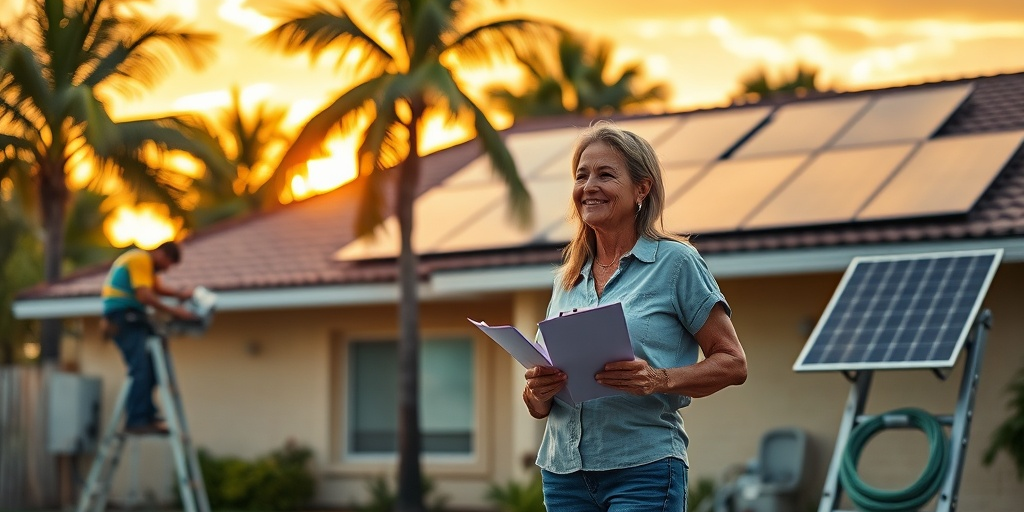
In recent years, the conversation surrounding solar energy has shifted dramatically, especially with Florida homeowners looking for sustainable solutions amid rising energy costs and increasing environmental concerns. Did you know that most solar panels can actually last for over 25 years? But there’s a pervasive myth that has seeped into public perception: Myth: Solar Panel Lifespan Is Longer Than You Think. Understanding the realities of solar panel longevity can significantly impact the overall return on investment (ROI) you’ll have on your solar system. With solar rebates and incentives expected to proliferate in 2025, grasping these concepts is more urgent than ever. According to a Solar Energy Industries Association (SEIA) report, solar installations in Florida are expected to triple in the next four years (SEIA.org). This post will bust common myths about solar panel lifespans and empower you to maximize your solar ROI breakdown today!
The myths we’ll debunk include effective lifespans, performance under Florida’s unique climate, and the various factors affecting durability. We’ll explore a case study of a Florida homeowner’s journey into solar, present a checklist for evaluating your solar system, and give a comprehensive technical overview of the components involved in ensuring your solar investment lasts. Finally, we will outline specific steps for Florida homeowners to take action in the solar landscape of 2025. Let’s dive in!
Understanding Solar Panel Lifespans: More Than Just Numbers
The myth that solar panels last as long as you think can be misleading. For many, “longevity” translates only to years, leading to misunderstandings about performance, efficiency, and durability. To effectively tackle this myth, let’s explore various aspects of solar panel lifespans through a relatable case study. Imagine Sarah, a homeowner from Orlando, Florida, who is excited to transition her home to solar energy.
Sarah researched solar panels and came across numerous online discussions claiming they last 30-40 years. Inspired, she decided to invest in a high-efficiency solar system, drawn by the promise of savings and environmental benefits. However, she quickly realized that while panels may last long, their peak efficiency diminishes significantly after the first 10-15 years. According to the National Renewable Energy Laboratory (NREL), the average degradation rate of solar panels can range from 0.5% to 1% per year, meaning that after 25 years, performance can be reduced to about 75-85% of its initial output (NREL.gov).
Sarah also learned that the local Florida climate—characterized by intense sun, humidity, and occasional storms—introduces additional challenges. Florida’s solar array installations often face unique weather patterns, and therefore, factors like the panel’s material, quality of installation, and surrounding environment directly affect its lifespan. As homeowners in Florida consider going solar, they must weigh these aspects meticulously.
Here’s a quick checklist for evaluating solar panel longevity:
- Quality of Materials: Use panels made from durable materials that come with robust warranties.
- Installation Quality: Ensure skilled professionals carry out the installation to avoid early failures.
- Weather Resilience: Choose panels suitable for high humidity and storm conditions typical in Florida.
- System Maintenance: Regular checks and maintenance extend the life of solar panels, keeping them functioning optimally.
- Performance Monitoring: Install monitoring software to track energy output over time and catch any performance issues early.
With the knowledge gained, Sarah realized the need for continuous monitoring and maintenance services for her system to maximize its lifespan and efficiency—not just for the upfront investment but for long-term savings. Moving forward, she had to perform diligent research and choose the right provider. Florida Electric & Solar is one such trusted source that provides comprehensive maintenance services, helping homeowners like Sarah protect their investments.
Myth #1: “Solar Panels Last Forever.” In reality, while solar panels are designed to last, their efficiency does drop over time. It’s vital to set realistic expectations on performance over the lifespan and consult resources like Florida Electric & Solar to understand your specific needs.
Myth #2: “All Solar Panels are Created Equal.” Not at all! Different brands use varied technologies, which can significantly affect durability and efficiency. Research various brands and their specific lifespans; some may only offer 10-year warranties while others will cover 25-30 years.
Myth #3: “You Don’t Need to Maintain Solar Panels.” This could not be further from the truth. Regular maintenance checks can catch minor issues before they escalate and worsen overall performance. This is especially important in Florida due to unique local weather conditions.
With Sarah’s enlightening journey in mind, it’s crucial to take into account not just the lifespan of solar panels, but the various factors impacting your solar investment—especially as more homeowners in Florida consider their options in 2025. Just as you would with any significant investment, conducting thorough research and choosing wisely will ensure maximum returns both financially and environmentally. Let’s transition into our next segment that provides actionable steps on how you can prepare for solar adoption in Florida.
Your Solar Installation Action Checklist
The decision to go solar is not just about choosing a system; it’s also about understanding the steps that ensure a successful installation and longevity of your solar panels. Here’s a comprehensive checklist to help you navigate the process and make the most informed decisions.
- Step 1: Conduct an Energy Audit
Before diving in, understand your energy consumption pattern. Look through utility bills for past years to gauge how much energy you use on average. Knowing your baseline energy needs lays the foundation for how many panels you’ll require and how much they can save you in the long run. - Step 2: Research Local Incentives
Solar incentives can vary greatly from state to state, and even county to county. Take advantage of local rebates and tax credits available to Florida homeowners. The Investment Tax Credit (ITC) offers a 26% tax deduction in 2021, an amount that has a substantial impact on the affordability of your system. Visit floridaelectricandsolar.com for details on local programs that could reduce your upfront costs. - Step 3: Choose the Right Installer
Selecting a reputable installer is crucial. Investigate their credentials and speak with former clients to ensure you’ve chosen experts who will provide a high-quality installation. Look for reviews and recommendations from other Florida homeowners. - Step 4: Analyze Your Roof’s Suitability
Your roof’s condition and angle significantly impact efficiency. Flat roofs might require specific mounting solutions like ballast systems, while slanted roofs optimize solar capture. Ensure that your roof can accommodate solar panels and whether it’s in need of repairs before installation. Ask your installers for specialized recommendations. - Step 5: Understand Financing Options
Learn about various financing choices available for solar systems, including solar loans, leasing, and even Power Purchase Agreements (PPAs). Each option has its pros and cons that can suit different financial situations. Calculate which plan ensures maximized savings over the life of your solar system.
Taking each of these steps carefully will pave the way for a systematic approach to solar energy in Florida’s unique climate. Don’t forget, thorough research is your best ally. As you explore these steps, remember, the more informed you are, the better equipped you’ll be to make the best investment in solar in 2025.
Best Practices for Solar Installation in 2025
When venturing into solar, knowing the best practices can make all the difference between a successful solar installation and one that falls short of your energy and financial expectations. Here are five expert tips to ensure your solar project thrives in Florida:
- Invest in High-Quality Panels: While upfront costs may seem high, investing in reputable brands with proven efficiency and longevity pays off in the end. Panels with longer warranties signal manufacturer confidence and commitment to quality.
- Prioritize Installation Quality: The efficiency of your solar system relies significantly on the installation. A sloppy installation can lead to reduced energy production over the lifespan of your solar panels. Hire certified professionals who follow industry best practices.
- Incorporate Energy Storage Solutions: Coupling solar panels with battery systems can maximize your self-sufficiency and savings. This way, you’ll be able to store excess energy produced during the day to use during peak energy hours.
- Implement a Monitoring System: Regularly monitoring your solar system can reveal valuable insights into efficiency and energy output. Many modern systems offer integrated monitoring tools—use them!
- Engage with Continuous Maintenance and Support: Keep in touch with your solar provider long after installation. Maintaining the health of your system with periodic checks ensures long-term viability and optimal output.
Every step of your solar journey counts, and adhering to these expert recommendations will ensure that your investment stands the test of time—an important consideration given the local climate challenges in Florida.
A Florida Homeowner’s Solar Journey
Meet Tom and Linda, a couple from Tampa, Florida, who dreamed of transforming their home into an eco-friendly powerhouse by installing solar panels. Once they did their research and понимание the process—just like Sarah—they began financing the solar installation of their dreams.
At first, they were excited, but they soon faced unexpected challenges. They learned that their roof condition required extensive repairs before installation. Here’s an outline of key milestones in Tom and Linda’s journey:
- Discovery Phase: Tom and Linda attended solar energy workshops offered by local community centers, helping them understand the ins and outs of solar installation.
- Roofing Repair: They needed to replace sections of their roof impacted by weather damage, which delayed their timeline but enhanced their home’s overall integrity.
- Panel Selection: After extensive research, they decided on a high-efficiency panel known for its durability in high humidity and storm-prone Florida.
- Installation Experience: A local installer did a fantastic job, utilizing best practices that ensured a clean installation, optimizing for maximum sun exposure.
- Monitoring System Implementation: They set up a monitoring system, giving them the ability to check energy production and streamline their power usage efficiently.
Their vigilance paid off. Their solar panels whispered promises of energy savings and environmental impact. After six months, they witnessed a notable reduction in their electric bill, which they could now reinvest into their house, creating even more energy-efficient upgrades.
Ultimately, Tom and Linda showcased how understanding solar panel longevity and maintenance responses transforms the solar experience into a rewarding journey, both financially and environmentally. In light of their story, let’s discuss the critical next steps for Florida homeowners poised for solar investment in 2025.
Next Steps for Florida Solar Buyers in 2025
Ready to take the leap into solar energy? As a Florida homeowner, it’s integral to navigate the transitioning landscape effectively. Here’s an action plan tailored specifically to your needs:
- Audit Your Electric Bill: Review your electric bill to better understand your energy consumption and costs. Use this as the basis for your solar needs and savings calculations.
- Familiarize Yourself with Solar Incentives: Research local and federal programs that could benefit you. These are vital in 2025, especially as incentives shift and change.
- Get Multiple Quotes: Solicit comprehensive quotes from different solar companies in Florida. More options can lead to better financial arrangements and service quality.
- Consider Local Solar Community Groups: Engage with local solar neighborhoods or homeowner associations to gather opinions and recommendations on reliable installers and tactics based on their experiences.
- Choose Wisely and Revisit Warranties: Check the warranties included with your system! This includes panels, inverters, and installation. These terms ensure that you’re protected long-term.
Staying informed and actively participating in the process maximizes your energy independence while minimizing costs. Don’t hesitate to explore the vast landscape of solar energy and the incredible opportunities available for Florida homeowners!
In conclusion, the myth that solar panel lifespan is longer than you think paints an overly optimistic picture but skims over essential factors. Your solar journey will be fortified by understanding the reality of panel degradation and the myriad variables impacting efficiency over time. Commit to knowledgeable choices today as the solar landscape changes vastly by 2025, providing each Floridian homeowner with unique opportunities for savings, security, and environmental stewardship. Don’t wait any longer—take action, invest wisely, and embark on your solar journey today!
Ready to start your solar journey in 2025? Connect with a certified expert at floridaelectricandsolar.com today.
Related Articles
More insights about Solar Panel

Florida Homeowners: Why Solar Panel Maintenance Is Essential

7 Essential Steps for Solar Panel Installation Success

Expert Insights: Key Factors Influencing Solar Panel Lifespan
Ready to Go Solar?
Have questions about solar energy? Our experts are here to help you make the switch to clean, renewable energy.