
Myth: Solar Panel Lifespan Is Only 10 Years
Share:
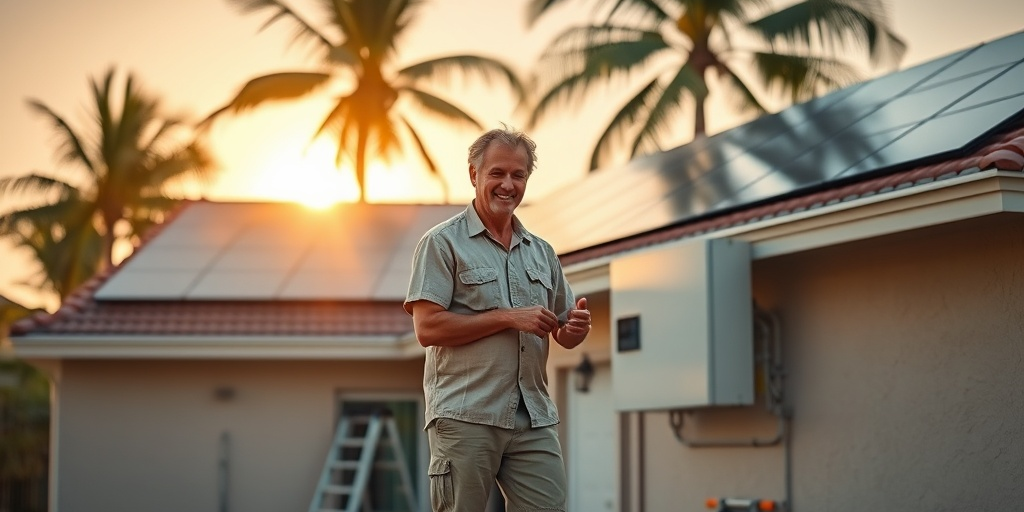
Have you fallen prey to the misconception that solar panels only last a decade? You’re not alone. Many Florida homeowners think that when they invest in solar energy, they’re merely buying a short-term solution. In actuality, this myth is far from the truth. The reality is much more promising: modern solar panels come with lifespans extending beyond 25 years, effectively providing decades of clean energy for your home or business. Not only this, but advancements in technology and manufacturing practices continue to bolster efficiency and performance. Given the rapid rise in energy prices and new incentives introduced for 2025, understanding the true lifespan of solar panels is more crucial than ever (SolarReviews.com). Addressing the myth that “solar panel lifespan is only 10 years” is just the tip of the iceberg. In this extensive guide, we’ll delve into the vital truths that every homeowner or commercial property owner in Florida should know before going solar. We’ll explore the longevity of panels, myth-busting with data, actionable steps, and expert tips that equip you to make informed decisions for sustainable energy solutions.
As we head into 2025, your decision to transition to solar could not only save you money but also contribute significantly to environmental sustainability. The energy landscape is shifting, and now is the time to become an informed participant in this vital change. In the following sections, we will:
- Unveil the realities behind solar panel lifespan and debunk common myths.
- Provide a comprehensive checklist for assessing solar investments.
- Share compelling narratives of Florida homeowners who made the switch.
- Outline best practices for solar installation and maintenance.
- Deliver an actionable plan for prospective solar buyers in 2025.
Solar Panel Lifespan: Beyond the 10-Year Myth
When considering solar energy solutions, few topics generate as much misinformation as the lifespan of solar panels. Many Florida homeowners believe the misconception that solar systems are only viable for about 10 years. For instance, a common myth is that because they contain electrical components, solar panels simply wear out faster than expected. In reality, most manufacturers provide warranties ranging from 25 to 30 years, which often cover panel efficiency and functionality. The truth is that many solar panels can last upwards of 30 years with proper maintenance (SEIA.org).
To illustrate the reality behind this myth, let’s explore a case study of the Garcia family in Orlando, who installed their solar system in 2015. They were initially hesitant, worried about the longevity of their investment. However, after extensive research, they discovered that the average lifespan of modern panels could reach 25-30 years. They decided to move forward, and as of today, their solar panels still produce energy at 90% of their original capacity. Their electric bills have decreased to a fraction of what they used to be, and their long-term savings are mounting as energy rates continue to rise. The Garcias’ experience is a testament that investing in solar is not just a temporary fix; it is a strategic, long-term solution for your energy needs.
When assessing the true lifespan of solar panels, consider this checklist to separate fact from fiction:
- Step 1: Understand the manufacturer’s warranty. Leading manufacturers offer warranties from 25 years to even 30 years.
- Step 2: Research solar panel efficiencies. Higher quality panels retain their efficiency over longer periods.
- Step 3: Learn about climate impacts. Florida’s humidity and heat can affect system performance, but quality systems are built to withstand it.
- Step 4: Schedule regular maintenance checks to ensure optimal performance throughout the years.
- Step 5: Gather information about local solar incentives that promote longer-term solar solutions.
Now, let’s break down the most common myths surrounding solar panel lifespan and provide the factual information you need to dispel them.
Myth #1: Solar panels only last 10 years.
Fact: Most panels have lifespans of 25-30 years, often coming with performance warranties that guarantee their output for many years (Energy.gov).
Myth #2: Solar panels degrade too rapidly.
Fact: The average degradation rate for solar panels is about 0.5% per year, meaning they can still provide a significant amount of energy over their expected lifespan.
Myth #3: Solar panels are ineffective in cloudy weather.
Fact: Solar panels can still produce energy on cloudy days; they may not be as efficient, but they continue to generate power (SEIA.org).
Myth #4: Panels must be replaced after their warranties expire.
Fact: Many panels still function effectively beyond their warranty period, often down to 80-85% of efficiency even after 25 years.
Myth #5: Older solar technology is just as good as modern improvements.
Fact: Modern panels utilize advanced technology for higher efficiency and lower degradation rates compared to older models.
In summary, understanding the realities surrounding the lifespan of solar panels not only sets the stage for informed decision-making but reassures potential buyers of the long-term viability of solar energy systems. Knowing the facts can elevate you from a skeptical observer to a confident investor. Now let’s transition into the actionable steps necessary to ensure you maximize your solar investment.
Creating a Solar Investment Checklist
Every savvy Florida homeowner should have a checklist at their disposal when considering or maintaining solar energy systems. The goal is to equip you with all the knowledge necessary to take full advantage of solar technology without falling into common traps. Here’s a condensed checklist for your solar investment:
- Step 1: Audit Your Energy Consumption: Understand how much energy your household or business consumes. This helps in designing the right system.
- Step 2: Compare Solar Providers: Research and compare several solar installation companies in your area. Look for customer reviews and service warranties.
- Step 3: Evaluate your Roof: Assess the condition of your roof. If it needs repair or replacement, do this before installation.
- Step 4: Consider Storage Solutions: Investigate battery options for energy storage. This maximizes the efficiency of your solar system.
- Step 5: Understand Local Incentives: Research tax incentives, rebates, and financing options available in Florida. These can significantly reduce installation costs.
These steps will help streamline your solar journey and make it a hassle-free experience. Notably, studies indicate that Florida ranks as one of the top states for solar installations due to its proactive policies and abundant sunlight (DSIREUSA.org). This incentivization creates an ideal environment for homeowners and business owners alike who are looking to embrace solar energy.
Investing in solar energy not only maximizes your savings but also contributes to a sustainable Florida. Analyzing the local climate, energy consumption patterns, and available incentives will bolster your decision-making process.
Mastering the Installation: Expert Solar Installation Tips for 2025
Transitioning to solar energy encompasses more than just purchasing panels; it’s about ensuring that your system is installed correctly for maximum longevity and efficiency. Here are five crucial tips from industry experts that every Florida homeowner should consider before installation:
- Do Your Research: Before selecting a solar provider, conduct thorough research. Understand what technologies are available, how they work, and which company best suits your needs. This ensures you are choosing a reliable provider that prioritizes quality.
- Panel Placement Matters: Don’t skimp on panel placement; the positioning of your panels can significantly impact their efficiency. Ensure the location receives ample sunlight throughout the day, avoiding any shading from trees or buildings.
- Utilize High-Quality Equipment: Prioritize high-efficiency panels and top-notch inverters from reputable manufacturers. Investing in quality components can increase lifespan and performance metrics significantly.
- Regular Maintenance is Key: Schedule periodic maintenance checks to ensure all parts of your solar system function optimally. Routine cleaning of the panels can also drastically improve energy production levels.
- Stay Informed on Technological Advancements: The solar industry is evolving rapidly. Stay updated on the latest technologies and advancements in solar to ensure your system remains competitive and efficient.
As you prepare for the install, remember that achieving an optimized solar energy system is not just about installation—it is also about fostering good habits that will last throughout the lifetime of your panels. Time spent in the planning phase translates into energy savings in the future.
Embracing Solar: A Story of Hope and Transformation
Let’s take a moment to step into the shoes of Maria, a Florida resident who underwent a transformational journey into the world of solar energy. Six years ago, Maria was overwhelmed with rising electric bills and concerns about energy sustainability. Living in the Sunshine State, it became apparent that her home couldn’t continue to rely on outdated energy sources.
After much deliberation, Maria decided to partner with a reputable solar company. Upon installation, she was amazed at the seamless transition to green energy. Not only did her electricity bills reduce dramatically, but she joined a community of environmentally-conscious individuals who rallied for cleaner energy practices.
Here are several factors that contributed to Maria’s successful solar journey:
- Proactive Research: Maria invested time in researching local providers, understanding panel technologies, and customer service reviews.
- Strategic Investment: She took advantage of Florida’s solar incentives, which made her initial investment considerably lower.
- Community Insight: By participating in local solar workshops, Maria gained valuable knowledge that empowered her decisions.
- Long-Term Mindset: Instead of viewing solar as a temporary fix for rising costs, Maria embraced it as a long-term solution that would benefit future generations.
Today, Maria enjoys constant electricity savings and has become an advocate for sustainable energy in her community. This shift not only transformed her financial outlook but also rekindled her passion for protecting the environment. Her story serves as a beacon of hope and an example of the profound impact going solar can have on individual lives.
Next Steps for Solar Buyers in 2025
For Florida homeowners considering solar energy in 2025, the time to act is now. The potential for enhanced efficiency, coupled with financial incentives, makes this the perfect moment to embark on your solar journey. Here’s a straightforward action plan to guide you through the process:
- Audit Your Electric Bill: Review your past bills to understand your energy consumption and potential savings from solar installation. This foundational step ensures you have a clear target for your solar needs.
- Contact Solar Providers: Reach out to several reputable solar installation companies for consultations. Assess their offerings, warranties, and customer service ratings.
- Home Preparation: Ensure your roof is in good condition prior to installation. Research options for repair if necessary to ensure a long-lasting solar system.
- Consider Financing: Familiarize yourself with financing options, such as solar loans or leasing. Knowing your financial responsibilities ahead of time eases the overall transition.
- Installation: Schedule your installation, ensuring that you communicate your specific needs and concerns to your solar provider during this process.
Executing these steps can ease your transition towards using solar energy, removing barriers that otherwise might deter you. The state of Florida is increasingly supportive of solar adaptations, so establish a relationship with local experts and tap into resources available to you. For more insights and guidance, visit floridaelectricandsolar.com.
Conclusion
The truth around the lifespan of solar panels reveals a compelling storyline that overlaps with financial wisdom and sustainability. Dissecting myths and shedding light on the true capability of solar energy solutions fosters confidence in your decisions as a Florida homeowner or commercial property owner. By embracing these insights, you can maximize your investment for decades to come, mitigating the uncertainty surrounding energy costs while contributing to a healthier planet.
In closing, the evidence supporting the longevity and efficacy of solar panels is clear. You now hold the knowledge necessary to become a solar pioneer within your community, much like the Garcias and Maria who have transformed their lives through solar energy. This moment in time, with its expanded incentives and technological advancements, serves as a call to action for all Floridians. Let’s harness the power of the sun and embark on this journey together.
Ready to start your solar journey in 2025? Connect with a certified expert at floridaelectricandsolar.com today.
Related Articles
More insights about Solar Panel

Florida Homeowners: Why Solar Panel Maintenance Is Essential

7 Essential Steps for Solar Panel Installation Success

Expert Insights: Key Factors Influencing Solar Panel Lifespan
Ready to Go Solar?
Have questions about solar energy? Our experts are here to help you make the switch to clean, renewable energy.