
Myth: Solar Panel Lifespan Is Shorter Than You Think
Share:
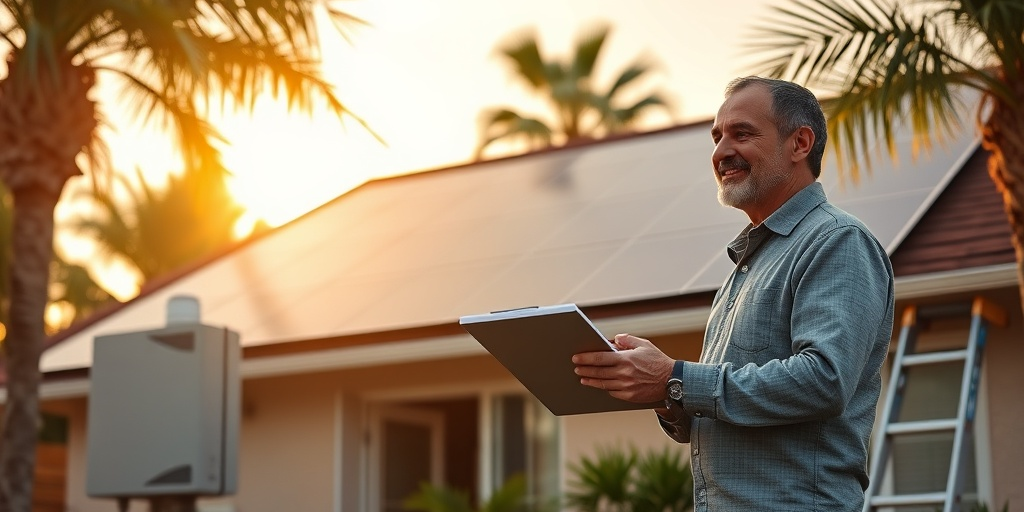
When considering a shift towards solar energy, most homeowners are inundated with conflicting information. One resounding myth that persists is that the lifespan of solar panels is much shorter than expected, leading many to believe their investment may not be worth it. This brings us to today’s topic: Myth: Solar Panel Lifespan Is Shorter Than You Think. Did you know that according to the National Renewable Energy Laboratory, most modern solar panels last between 25 to 30 years, with many retaining 80% of their efficiency even after this period? Additionally, the Solar Energy Industries Association report states that the solar market continues to expand in the U.S., showcasing a significant trend of increasing reliability and durability of solar technology (NREL.gov), (SEIA.org).
In 2025, as Florida homeowners face soaring energy costs and increased grid instability, understanding the long-term viability of solar panels is more crucial than ever. Not only could your solar investment enhance your financial savings, but it could also contribute to a greener future. Over the next few sections, we will delve into myths surrounding solar panel lifespan, bust common misconceptions, explore local insights and technical specifications, share actionable steps for installation, and finally, lay out a solid action plan to help you optimize your journey toward a sustainable energy solution.
Understanding the True Lifespan of Solar Panels
When considering the solar panel lifespan, it’s imperative to look beyond surface-level assumptions. A case study involving a local homeowner in Florida, Marie, illustrates this perfectly. Marie hesitated before making the switch to solar. Her fear stemmed mainly from discussions among friends and family who insisted that solar panels degrade quickly, requiring costly replacements after just a few years. Nevertheless, after conducting extensive research, Marie discovered the truth—that her investment would last for several decades, providing her not only savings but also peace of mind.
Throughout her inquiry, Marie answered critical questions regarding solar panels that led her to make an informed decision:
- Do solar panels degrade rapidly? Most reputable companies ensure their panels come with extensive warranties, often up to 25 years.
- What is the average lifespan of solar panels? Current solar technology allows panels to last between 25 to 30 years (NREL.gov).
- Are replacement costs high? While there can be costs associated with repairs, most panels are built to last well beyond the warranty period.
In fact, Marie’s research suggested that the vast majority of solar panels still produce energy at over 80% efficiency even after 25 years (SolarReviews.com). With this knowledge, Marie not only overcame her doubts but also motivated her neighbors to consider the lasting benefits of solar energy.
Checklist for Assessing Solar Panel Lifespan
- Research warranties: Investigate various solar manufacturers and ensure their products come with significant warranties that cover at least 25 years.
- Analyze efficiency degradation: Understand average degradation rates, which typically range from 0.5% to 1% per year.
- Read customer testimonials: Check reviews to gain insights into how long customers have successfully used their systems.
- Consult local experts: Engage certified solar experts in Florida who can provide comprehensive information tailored to your specific situation.
- Consider panel technology: Be informed about the advancements in solar technology and how they can impact longevity.
Myth #1: Solar Panels Only Last 10-15 Years
Many people wrongly assume that solar panels wear out much faster than they actually do. In reality, the industry standard for solar panel warranties is typically about 25 years, with many panels outlasting that timeframe (Energy.gov). The truth is, technology has significantly advanced, leading to robust panels that resist environmental wear and tear.
Myth #2: All Panels Are the Same
Diverse solar technologies exist with varying efficiencies and lifespans. Premium brands offer panels that may boast better longevity or lower degradations over time, impacting their overall performance in the long run. Understanding the differences can help you make a wise investment.
Myth #3: Solar Systems Are Maintenance-Intensive
Unlike traditional energy sources, solar panels require minimal maintenance. Cleaning them occasionally can enhance efficiency, but average homeowners can expect very few ongoing costs. In fact, many systems can continue to function effectively for years without significant upkeep (SEIA.org).
Local Focus: Florida Solar Initiatives
As Floridians, we benefit from climate policies and incentives aimed at supporting solar energy adoption. The state’s commitment to renewable energy can help propel homeowners into the solar sphere, reducing energy costs and leading the way towards sustainability.
Technical Deep-Dive: Understanding Photovoltaics
A closer look at the technology behind solar panels reveals why they achieve these remarkable lifespans. Traditional crystalline silicon panels typically comprise layers that harness sunlight using photovoltaic cells. The technology continues to evolve, yielding new materials with even lower degradation rates, thus extending their usable lifespan.
To better grasp solar energy systems, remember some fundamental components:
- Inverter technology: Improves functionality and efficiency over time.
- Batteries: Ensure that excess energy can be saved for nighttime or cloudy days.
- Total system design: Proper design and installation can significantly impact efficiency and longevity.
As we transition from understanding the true lifespan of solar panels, let’s explore best practices for ensuring a successful installation.
Best Practices for Solar Installation
Five Essential Solar Installation Tips for 2025
Getting solar is a big decision, and ensuring optimal installation is vital for maximizing your investment. Here are five expert tips that every Florida homeowner should consider when embarking on their solar journey:
- 1. Always consult a professional:
Engaging trained and certified technicians ensures all aspects of the installation comply with local regulations and maximize panel performance. - 2. Choose the right location:
Solar panels should ideally be placed on roofs or structures with maximum sun exposure, typically facing south in Florida. - 3. Invest in high-quality panels:
Identify panels with stronger warranties, lower degradation rates, and favorable efficiency ratings. - 4. Optimize your energy consumption:
Before installation, consider conducting an energy audit to reduce your current usage, maximizing your solar panel’s benefits. - 5. Understand the financing options:
Explore various financing methods, such as leasing, cash purchases, or loans, to find what suits your budget best.
According to recent data, solar systems in Florida have shown performance gains, providing homeowners with savings nearing $3,000 annually (NREL.gov). Emulating best practices ensures that your solar experience is as efficient as possible and supports your long-term financial goals.
Now that we comprehend how to optimize our solar installations, let’s engage more deeply with the narrative of solar energy adoption. Through a fictional yet realistic case, we can visualize the profound impact solar can have.
A Solar Journey: The Martinez Family Experience
Meet the Martinez family, proud residents of Clearwater, Florida. Initially hesitant to invest in solar energy due to myths surrounding panel longevity, they decided to explore the alternative after rising electricity bills plagued their home.
The Martinez family embarked on an enlightening journey, beginning with a comprehensive research phase. Here’s how their experience unfolded:
- Researching Options: The family surveyed multiple solar companies, seeking those with stellar customer reviews and extensive warranties, ultimately landing on a local provider renowned for its excellence.
- Understanding Technology: They learned about the intricacies of solar panel technology, including various inverter options and battery storage solutions, ensuring they selected a system that complemented their home’s needs.
- Consultations and Installation: After in-depth consultations with certified technicians who walked them through the installation process, they made the final decision to install.
- Monitoring Performance: Post-installation, the Martinez family utilized monitoring apps to track solar production, witnessing firsthand the extent of energy savings from their investment.
As their story continues, the family discovers a sense of community among fellow solar owners, fostering a deeper connection to the environmental aspects of their investment. They also enjoyed surges in their home equity, further validating their decision to switch to solar. In fact, studies suggest homes with solar panels can appreciate faster than conventional properties (SEIA.org).
But how does one take the step towards adopting solar energy? Let’s break it down into actionable steps.
Next Steps for Florida Solar Buyers in 2025
Taking the leap toward solar can feel overwhelming; however, creating a definitive action plan simplifies the process. Here’s a bold checklist to help you reduce friction in your solar buying journey:
- Audit Your Electric Bill:
Examine your current energy consumption to understand your potential solar needs. - Research Solar Providers:
Gather quotes from certified and reputable companies in your local area and evaluate their performance metrics. - Inquire About Incentives:
Look into state and federal incentives available at the time of your purchase that may reduce upfront costs. - Consider Financing Options:
Evaluate multiple financing structures such as leases or loans to understand the best fit for your financial situation. - Plan the Installation Timeline:
Collaborate with your chosen provider to establish a convenient timeline for the installation process.
Each step enhances your understanding of solar energy and reinforces the legitimacy of your investment. Rick, a Florida homeowner who followed similar steps, noted a significant decrease in his utility bills, stating he saw an annual $3,300 reduction in costs after going solar (NREL.gov). Explore further insights at floridaelectricandsolar.com to guide your journey.
Conclusion: Your Journey Towards Solar Power Starts Now
The journey through solar energy has illuminated critical points regarding perceived myths surrounding panel lifespans. Understanding the reality that solar panels often last between 25 to 30 years, backed by substantial warranties and efficiency, should inspire confidence in making the switch. With incentives and advanced technology on the rise, 2025 presents an ideal opportunity for Florida homeowners to invest in sustainable energy solutions.
As we’ve explored through case studies, best practices, and real-life narratives, embracing solar energy brings not only financial stability but also a profound love for our planet. Every step taken today leads to a brighter future for living cost-effectiveness and environmental responsibility.
Ready to start your solar journey in 2025? Connect with a certified expert at floridaelectricandsolar.com today.
Related Articles
More insights about Solar Panel

Florida Homeowners: Why Solar Panel Maintenance Is Essential

7 Essential Steps for Solar Panel Installation Success

Expert Insights: Key Factors Influencing Solar Panel Lifespan
Ready to Go Solar?
Have questions about solar energy? Our experts are here to help you make the switch to clean, renewable energy.