
Myth: Solar Panel Lifespan Is Shorter Than You Think
Share:
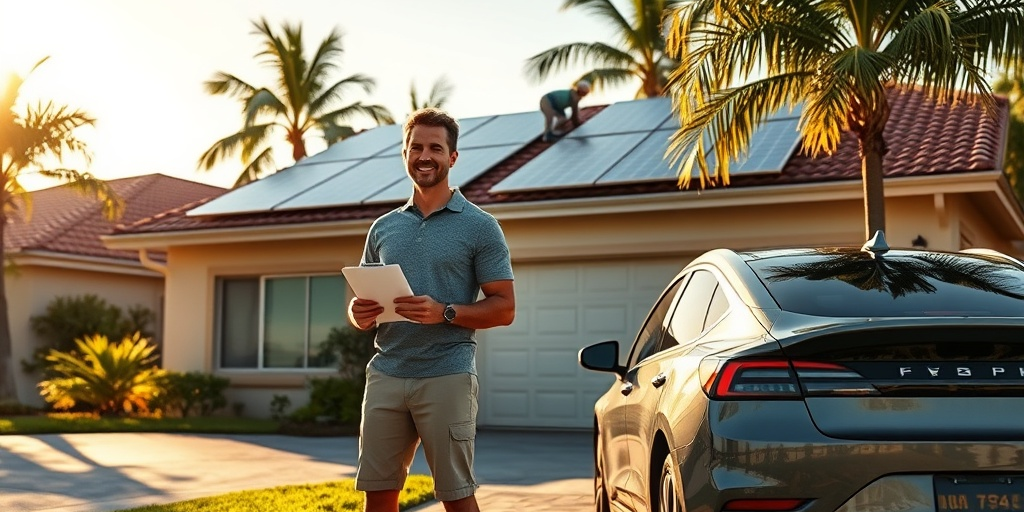
When it comes to solar energy, misinformation is rampant—and one of the most common misconceptions is that solar panels simply don’t last long enough to warrant the initial investment. In fact, this belief stands in stark contrast to reality. For instance, studies indicate that most solar panels can last anywhere from 25 to 30 years, with many panels ensuring productivity even beyond this timeframe (SEIA.org). Moreover, the National Renewable Energy Laboratory found that solar panel efficiency significantly retains through their life cycles, averaging about 80% capacity after 25 years (NREL.gov). In 2025, as Florida homeowners and commercial property owners grapple with rising energy costs and look to optimize savings, understanding the longevity of solar panels has never been more urgent. In this post titled “Myth: Solar Panel Lifespan Is Shorter Than You Think,” we will delve deeper into the truth behind solar panel longevity. Join us as we break down complex myths surrounding solar panels, showcase notable Florida-specific statistics, and offer you actionable insights to make educated decisions about solar energy. We’ll explore five sections: a case study of real-life homeowners, a checklist for solar panel considerations, a myth-busting section addressing widespread misconceptions, best practices for solar installation, and actionable steps for embarking on your solar journey in 2025.
Complete Insight into Solar Panel Lifespan
Let’s begin with a compelling story that illustrates both the reality and the misconceptions surrounding solar panel lifespan. Meet Tom and Sarah, a couple residing in Orlando, Florida. A few years ago, they decided to go solar after hearing friends rave about their solar power systems. Initially, they were apprehensive, primarily due to the prevalent myth that solar panels only last 10 to 15 years. After conducting their research, they discovered that their investment in solar panels could offer substantial savings over time—providing an estimated 20% reduction in their electric bill from the outset (SolarReviews.com). Today, they celebrate over 25% savings on their yearly energy costs and still have a system that sparks joy rather than concern about a short lifespan.
This case study reveals key insights into how research can dispel myths. Just like Tom and Sarah, homeowners often hesitate, fearing the limited life of solar technology; however, the truth reveals a much different story. As previously mentioned, most solar panels boast a lifespan of 25-30 years. Events in the solar power industry further show that advancements occur regularly, enhancing the durability of these systems over time.
- Longevity of Panels: Most manufacturers offer warranties that guarantee performance for 25 years or more, underscoring the durability of modern solar panels.
- Performance Over Time: Studies have shown that solar panels can operate efficiently beyond their warranty periods, with many still producing energy at over 80% efficiency after 25 years (NREL.gov).
- Cost-Effectiveness: The financial aspect of solar energy is increasingly appealing—especially in Florida. Homeowners can recover their initial investment via cumulative savings from reduced electricity bills.
As we move forward, let’s address Myth #1: “solar panels don’t last long.” The truth is that quality solar panels can maintain their performance and durability reliably for several decades. As we continue, we’ll cover more common misconceptions, local insights regarding the Florida solar market, technical deep-dives, and ultimately give you the information you need to make an informed choice.
Five Steps to Ensure Your Panels Last
One of the main factors contributing to the longevity of solar panels is their proper installation and timely maintenance. To optimize their lifespan, Florida homeowners should maintain awareness of best practices and follow these crucial steps:
- Step 1: Choose Reputable Manufacturers
Selecting panels from trusted manufacturers with proven warranties can significantly enhance longevity. Seek brands with long performance warranties that exceed 25 years. - Step 2: Schedule Regular Maintenance
Maintaining your solar panels ensures they operate correctly. Schedule annual inspections and cleanings to keep your panels free from debris and obstructions. - Step 3: Optimize Installation
Positioning panels at the right angle and orientation ensures they receive maximum sunlight exposure, thereby improving efficiency and longevity. - Step 4: Invest in Quality Inverters
Inverters are vital to the solar system, converting the energy produced. Choosing high-quality inverters with longer lifespans can protect your investment. - Step 5: Monitor Performance Regularly
Keeping track of your solar system’s output allows early detection of issues. Utilize monitoring apps and services to track energy production over time.
Following these steps increases your panels’ lifespan, ensuring that the return on investment remains favorable. Ultimately, it assists you in harnessing better solar efficiency. No one wishes for regrets over solar investments; these preventative measures are essential to avoid pitfalls.
Solar Myths Debunked
There are several pervasive myths surrounding solar energy that continue to mislead homeowners. Let’s tackle some of these frequent misconceptions to clarify the realities of solar panel technology.
- Myth #1: Solar Panels Are Expensive and Not Cost-Effective
While installation costs have historically been high, prices have fallen significantly. By 2020, prices had dropped by 82% since 2010, and with tax credits, incentives, and local programs, the financial viability of going solar has never been better (Energy.gov). - Myth #2: Solar Panels Don’t Generate Energy in Cloudy Weather
This belief underestimates the efficiency of solar technology. While energy production may decrease on cloudy days, solar panels can still generate electricity, especially in Florida, which boasts a sunny climate averaging 237 days of sunshine per year. - Myth #3: Solar Panels Can Damage Your Roof
This myth is a common concern; however, professional installations improve roof durability. Well-installed panels are integrated carefully, minimizing the risk of roof damage while providing the added advantage of protecting roofing materials. - Myth #4: Solar Energy Is Too Complicated
Another widespread concern is complexity. Florida homeowners have access to numerous solar companies and consultants who can guide them through the entire process, from installation to financing, simplifying the transition to solar. - Myth #5: Solar Panels Require Excessive Maintenance
In truth, solar panels are relatively low-maintenance overall. Yearly inspections and occasional cleaning are often sufficient. Additionally, many solar providers offer maintenance packages to ease the burden.
Understanding these myths will empower homeowners to make informed decisions and avoid falling victim to misinformation. To summarize, solar panels are both durable and cost-effective, reaffirming the benefits and value of adopting solar technology for your home.
5 Expert Solar Installation Tips for 2025
Diving deeper into ensuring your solar energy setup is equipped for longevity, here are five expert tips for your solar installation process moving forward into 2025:
- Understand Local Incentives
Before installing, research local state and federal incentives, as they can significantly reduce the upfront costs associated with solar installations. - Assess Your Energy Needs
Evaluate and forecast your household energy consumption. This assessment will help determine the optimal system size that meets your needs. - Choose the Right Energy Provider
Consider selecting a reputable energy provider experienced in solar installation. Reading reviews and checking credentials can confirm their reliability. - Embrace New Technologies
Solar technology is ever-evolving. Investigating the latest offerings like energy storage solutions can bring your solar energy efficiency to new heights. - Conduct Post-Installation Evaluations
Once your panels are installed, conduct evaluations to gauge their performance and energy output, utilizing tech advancements for monitoring.
These expert tips are intended to enhance your solar investment while ensuring your panels reach their maximal lifespan. As you prepare for 2025, consider these points to allow yourself to enjoy the long-term benefits of solar technology.
Your Florida Solar Journey: Real Homeowner Experience
In recent years, an increasing number of Florida homeowners have embraced solar energy to combat rising utility costs. Symbolizing this shift, consider Anna, a resident of Fort Lauderdale who, upon purchasing her home, learned about the mounting cost of electricity. Using research and available local incentives, she decided to install solar panels. After months of researching, Anna took the plunge and installed a system that now powers her home year-round, and with her decision, she not only gained significant savings but also increased the value of her property.
Anna’s tale is a quintessential example of how many Floridians are turning towards renewable energy solutions as power costs continue to escalate. As of 2022, Florida was the third-largest state for installed solar capacity, with approximately 11.5 gigawatts installed, indicating the growing acceptance of solar technology (SolarEnergy.org). Additionally, about 25% of Florida households have considered or implemented solar each year, reflecting an eagerness for sustainable living. In Anna’s case, her return on investment translates into a 50% reduction in electricity costs, allowing her to redirect funds toward other home improvements and family leisure.
Here are some key takeaways from Anna’s solar journey:
- Informed Decisions Equal Better Investments: By completing thorough research and leveraging local resources, Anna significantly improved her financial situation.
- Rising Home Values: Solar installations can enhance home resale values, making them a smart long-term investment.
- Local Utility Savings: By capitalizing on Florida’s abundant sunshine, Anna greatly reduced her electricity bills and increased energy independence.
As you move forward on your journey toward solar power, Anna’s experience serves as a reminder that informed decisions and awareness of local market trends can help turn your solar dreams into reality.
Next Steps for Florida Solar Buyers in 2025
For Florida homeowners ready to make the switch to solar energy, careful planning is essential to optimizing system longevity and performance. Here’s a structured action plan to guide you through the process:
- Step 1: Audit Your Electric Bill
Start by reviewing your electricity bills thoroughly. It’s essential to determine your current consumption and explore ways to simplify your energy use to maximize potential savings on your future bills. - Step 2: Research Solar Options
Conduct extensive research on solar system types and sizes. Understand the difference between grid-tied, off-grid, and hybrid systems and which suits your home best. - Step 3: Consult with Solar Professionals
Engage with reputable solar energy consultants who can provide tailored advice based on your unique energy needs, budget, and goals. - Step 4: Explore Incentive Programs
Investigate state and federal programs, such as tax credits and rebates, that can significantly increase affordability and make solar energy a realistic option. - Step 5: Start Your Installation
Once the prior steps are completed and you’re equipped with the information needed, initiate your installation. Monitor the progress to ensure optimal system alignment and integration into your existing structure.
These actionable steps aim to demystify the solar journey, simplifying the pathway for future Florida solar buyers in 2025. This proactive approach can lead to significant long-term savings, sustainability, and energy independence.
The journey through understanding the lifespan of solar panels reveals how the myths associated with these technologies can overshadow beneficial opportunities. From enduring insights on purchasing decisions to mastering maintenance, we hope you leave with clarity and confidence in your solar decisions. In closing, the advantage of solar technologies is profound, promising potential savings worth pursuing for all Florida homeowners. Investing in solar energy matters significantly, as it builds a brighter and sustainable future for families and communities.
Ready to start your solar journey in 2025? Connect with a certified expert at floridaelectricandsolar.com today.
Related Articles
More insights about Solar Panel

Florida Homeowners: Why Solar Panel Maintenance Is Essential

7 Essential Steps for Solar Panel Installation Success

Expert Insights: Key Factors Influencing Solar Panel Lifespan
Ready to Go Solar?
Have questions about solar energy? Our experts are here to help you make the switch to clean, renewable energy.