
Myth: Solar Panel Maintenance Does Not Affect System Performance
Share:
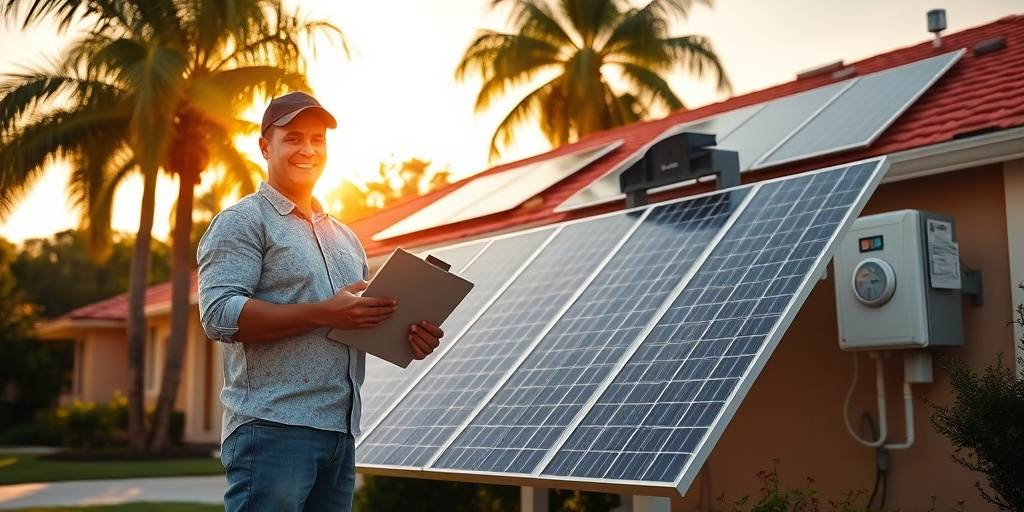
In the world of solar energy, misinformation can spread like wildfire, leading to costly mistakes for homeowners and business owners alike. One of the most prevalent misconceptions is the belief that “Solar Panel Maintenance Does Not Affect System Performance.” This myth can prevent you from experiencing optimal efficiency, maximum savings, and the long-term benefits of your investment. Did you know that according to the National Renewable Energy Laboratory, properly maintained solar panels can operate at up to 95% efficiency, while neglected systems can drop to as low as 75%? (NREL.gov) In Florida’s sunny climate, this distinction can represent thousands of dollars in lost savings each year. Additionally, a 2023 study found that routine maintenance can increase the lifespan of solar systems by 15 years or more (SEIA.org). As we enter 2025, understanding the importance of solar panel maintenance is more critical than ever, especially with rising energy costs and uncertainties in the energy market. In this article, we will debunk the myth of solar panel maintenance’s lack of effect on performance, providing you with valuable insights and actionable steps to protect your solar investment. Here’s what we’ll cover:
1. **Deep Dive into Solar Maintenance Impacts**
2. **Essential Steps for Solar System Care**
3. **Myth-Busting Common Misconceptions**
4. **Florida’s Solar Landscape and Maintenance Needs**
5. **Creating Your Solar Maintenance Action Plan**
The Importance of Solar Panel Maintenance to Performance
Whether you reside in bustling Miami or the quiet suburbs of Gainesville, the effectiveness of your solar system directly hinges on how well you maintain it. Regular upkeep isn’t merely a suggestion; it’s a necessity. To illustrate this, let’s look at the story of the Martinez family in Tampa. Four years ago, they invested in a solar rooftop system with the hopes of slashing their electric bills. In the first year, their monthly savings were substantial, but after neglecting system maintenance, they noticed a steep decline in energy production. After conducting a maintenance check six months later, they learned their panels were covered in algae and dirt and, due to the lack of maintenance, their efficiency had dropped to an alarming 70%. They acted quickly, enlisted a reputable service provider, and restored their system to optimal performance. Their story serves as a cautionary tale and highlights how proactive measures can prevent financial loss and ensure the longevity of solar systems.
To maintain effectiveness, here are some critical factors to monitor:
- Panel Cleanliness: Dust, debris, and even wildlife can suppress the sunlight absorbed, reducing overall efficiency.
- Physical Damage: Check for any visible signs of wear, such as cracks or loose wiring, that can compromise performance.
- Inverter Maintenance: The inverter plays a pivotal role in converting solar energy into usable power—keeping it in check is vital.
User data from Florida’s solar market shows that an astonishing 40% of homeowners fail to address maintenance needs regularly, jeopardizing their financial investment in solar energy (SolarReviews.com). Statistically, homes that engage in routine maintenance can save an average of $1,000 annually on energy bills compared to those that neglect upkeep.
Now, let’s transition to actionable steps that homeowners can take.
Your Solar Maintenance Checklist: 5 Key Steps
It’s no longer sufficient to “set it and forget it” when it comes to solar energy. Below is a checklist designed to maximize your system’s longevity and performance—reassessing this each season can lead to significant savings.
- Step 1: Keep Your Panels Clean — Regular cleaning is paramount. Ideally, panels should be washed with water several times a year, especially after storms or periods of heavy dust.
- Step 2: Inspect for Damage — Schedule bi-annual inspections with a professional to check for visible wear and tear on your system.
- Step 3: Monitor Your Output — Keep track of your energy production via your solar inverter. A decrease in output could signal maintenance issues.
- Step 4: Optimize System Layout — Ensure that no trees or new structures are blocking sunlight. If they have grown, it might be time to reassess panel placement.
- Step 5: Hire a Professional for Annual Check-Ups — Consider partnering with a solar service provider for comprehensive annual maintenance to ensure everything functions efficiently.
As mentioned, using professional services can recover significant losses due to inadequate maintenance. To explore more about maintaining your solar systems properly, visit floridaelectricandsolar.com.
Debunking Myths Around Solar Maintenance
The solar energy landscape is riddled with myths that can cloud judgment. Here, we will dismantle a few widespread misconceptions about solar panel maintenance.
- Myth #1: “If it isn’t broken, don’t fix it.” — Many homeowners believe neglecting their systems won’t lead to issues. In reality, unnoticed damage can drastically reduce efficiency.
- Myth #2: “Solar panels don’t need maintenance.” — This is simply untrue. Even the best systems require periodic checks to sustain their performance over time.
- Myth #3: “Warranties cover all maintenance.” — While warranties cover specific issues, regular upkeep is often excluded. Homeowners must take the initiative to protect their solar investments.
- Myth #4: “Rain cleans my panels.” — While rain can wash away some debris, it isn’t always enough, especially in Florida’s humid climate, where dirt can cling stubbornly to panels.
- Myth #5: “Solar maintenance is too expensive.” — The cost of maintenance is negligible compared to the hundreds or thousands of dollars you might lose due to poor performance.
Falling victim to these myths can inhibit your solar system from delivering its full potential. Florida homeowners should be proactive in educating themselves about proper practices. With an estimated 27% of Florida’s electricity generated from solar as of 2023 (Energy.gov), this understanding is crucial for supporting optimal performance across the state.
Having unravelled these myths, let’s delve into the specific challenges faced by solar users in our sunny states.
Understanding Florida’s Unique Solar Maintenance Needs
Living in Florida, your solar systems face realities that differ significantly from other states. Heat, humidity, and storm seasons pose unique challenges, making maintenance a priority. Let’s explore four crucial factors specific to Florida:
- Hurricane Season: With threats of tropical storms, homeowners should routinely inspect their systems before and after storm events.
- Humidity and Algal Growth: Florida’s humidity encourages the growth of algae and mold, meaning regular cleaning is essential to maximize energy absorption and system efficiency.
- Sun Intensity: Florida enjoys some of the highest sun intensity ratings in the nation, which, while advantageous, necessitates robust maintenance programs to keep systems performing optimally.
- Rebates and Incentives: Florida’s accessibility to solar rebates can offset costs for maintenance; be sure to explore local and state incentives that encourage responsible upkeep.
Statistics indicated that an impressive 18% of all energy produced in Florida comes from solar, and yet up to 40% of these systems are poorly maintained (SolarEnergy.org). Keeping this in mind, there’s a pressing need for education around maintenance practices tailored to our environment and climate.
As we further understand the nuances of Florida’s solar ecosystem, it’s time to create a decisive action plan for maintenance.
Your Solar Maintenance Action Plan for 2025
The path to a successful and efficient solar system involves a clear, actionable plan. Here’s how to steer your solar journey toward sustainable success:
- Step 1: Audit Your Electric Bill — Understanding your utility bill helps identify if your solar system is performing as expected.
- Step 2: Schedule Bi-Annual Maintenance Checks — Collaborate with professional services to routinely evaluate your system and discuss potential needs.
- Step 3: Implement a Cleaning Routine — Dedicate to cleaning your panels at least twice a year or hire specialists if needed.
- Step 4: Invest in Monitoring Software — This will allow you to track real-time energy production data, showing the effectiveness of your system.
- Step 5: Keep Communication Open with Your Installer — Consult with your installation company if any issues arise. Their insights can inform decisions about your system.
These steps should make it easier to safeguard your solar investment. For a comprehensive guide on solar energy savings and maintenance, visit floridaelectricandsolar.com.
Conclusion
Navigating the world of solar energy can feel daunting with so much conflicting information, but ensuring your solar panels are adequately maintained is crucial in maximizing performance and savings. By understanding and debunking common myths about solar panel maintenance, making informed choices, and embracing best practices tailored to your unique environment can lead to remarkable benefits for your system. Protect your investment—remember the true story of the Martinez family and others like them who encountered preventable pitfalls. It’s time to take the proactive steps necessary to reclaim your savings and secure the benefits of solar energy.
Ready to start your solar journey in 2025? Connect with a certified expert at floridaelectricandsolar.com today.
Related Articles
More insights about Solar Panel

Florida Homeowners: Why Solar Panel Maintenance Is Essential

7 Essential Steps for Solar Panel Installation Success

Expert Insights: Key Factors Influencing Solar Panel Lifespan
Ready to Go Solar?
Have questions about solar energy? Our experts are here to help you make the switch to clean, renewable energy.