
Myth: Solar Panel Maintenance is Always Complicated and Expensive
Share:
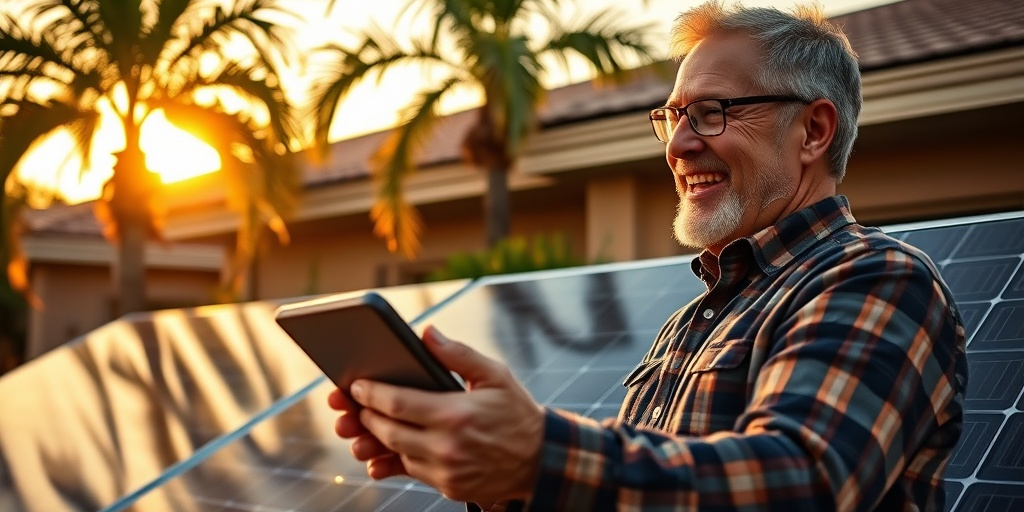
Imagine this: a sunny day in Florida, and you’re sitting on your porch, sipping lemonade while watching your solar panels effortlessly convert sunlight into energy. You’ve heard whispers around town about costly and complicated solar panel maintenance, but your experience tells a different story. What if I told you such concerns are merely a myth? This leads us to our exploration today titled, Myth: Solar Panel Maintenance is Always Complicated and Expensive. According to the Solar Energy Industries Association, the average cost of solar has dropped by over 70% since 2010, which challenges the notion of expensive maintenance (SEIA.org). Furthermore, research shows that solar systems can achieve 25% more efficiency with regular maintenance (SolarReviews.com). With rising energy prices and the urgent need for renewable energy solutions in 2025, understanding solar panel maintenance is essential for every Florida homeowner or business owner. In this post, we will delve into five main sections: a deep dive into the realities of maintenance with a compelling case study, a checklist for easy upkeep steps, a breakdown of common myths surrounding solar maintenance, the specific advantages for Florida residents, and finally, a technical analysis of solar technologies and policies.
Separating Fact from Fiction: The Realities of Solar Panel Maintenance
Imagine Sarah, a Florida homeowner who, a year ago, took the plunge and installed solar panels on her roof. Initially, she was overwhelmed by the myths; she’d heard from friends that solar panel maintenance was both complicated and expensive. However, after her installation, Sarah discovered just how manageable it could be.
To maintain her solar array, Sarah followed a straightforward plan:
- Monthly Visual Inspections: A quick check that ensured the panels were free of debris like leaves or dust.
- Annual Professional Cleanings: Hiring a local professional helped enhance efficiency—costing her about $100 a year.
- Monitor Your System’s Performance: Sarah used an app provided by her solar installer that tracked energy production.
Each step was simple and affordable, reinforcing the notion that upkeep does not have to be complicated or expensive. In fact, a study found that consistent maintenance can boost solar panel performance by up to 25%, translating to greater savings on electricity bills (NREL.gov). Thus, myths like “Solar panel maintenance is always complicated and expensive” begin to unravel.
It’s essential for homeowners like Sarah, and ultimately all Floridians, to know these realities. Here’s a quick checklist to keep your panels shining brightly:
- Step 1: Conduct monthly visual checks.
- Step 2: Arrange for professional cleanings annually.
- Step 3: Use monitoring devices to keep tabs on energy production.
- Step 4: Ensure that the inverter is functioning well—common performance issue.
- Step 5: Review warranties and service agreements regularly for clarity.
In Florida, solar energy is not merely a trend but a necessity for a sustainable future. Residents can take advantage of tax incentives that offset installation costs significantly. According to the Florida Solar Energy Center, more than 30% of homes in the state now have solar energy systems (FSEC.org). This increased adoption illustrates the importance of understanding maintenance and overcoming myths about its complexity and cost.
In the next section, we’ll tackle common misconceptions directly and dispel the myth surrounding solar panel maintenance once and for all.
Debunking the Myths: What You Really Need to Know
Myth #1: Solar Panel Maintenance is Too Complicated. The reality is that, with basic checks and scheduled cleanings, maintaining your solar panels can be done with ease. The technology behind solar panels has advanced significantly, making them more durable and requiring less intricate upkeep than some might think.
Myth #2: It Costs a Fortune to Maintain Solar Panels. The truth is that annual cleanings average about $100, depending on your location, which is a small price to pay given the savings on utility bills that can amount to thousands! Consider how that cost affects your overall savings—this is a long-term investment.
Myth #3: Regular Maintenance Isn’t Necessary. While solar panels are designed to last for decades, neglecting maintenance can lead to a decrease in efficiency. A study found that a lack of cleaning leads to a reduction of up to 30% in energy production (SEIA.org). Maintaining clean and functioning panels ensures they perform efficiently.
Myth #4: Solar Panels are Free of Problems. It’s essential to realize that issues can arise, just as they can with any home appliance. Knowing the common problems—faulty inverters, wiring issues—can keep you ahead. Regular check-ins can address these swiftly before they escalate.
Myth #5: Once Installed, Solar Panels Don’t Require Attention. While most systems do function for years without issues, a little attention goes a long way. Consider having a local solar specialist conduct inspections to catch potential issues early and ensure maximum efficiency.
These myths mainly stem from outdated information or hearsay, yet the reality is that proper upkeep involves straightforward tasks. The State of Florida encourages solar living by offering various incentives for both residential and commercial properties aiming for sustainability. In the following section, we’ll focus on the specific advantages of going solar in Florida and how home and business owners can capitalize on these opportunities.
The Florida Advantage: Why Local Homeowners Benefit
Florida is often dubbed the “Sunshine State” for a reason—its ample sunlight provides a perfect backdrop for solar energy production. With initiatives in place to promote renewable energy, 2025 is poised to be a turning point for homeowners considering solar power. In fact, the Florida Public Service Commission reported that Floridians can save an average of $30,000 over 20 years by switching to solar (FPSC.gov).
Here are several reasons how Florida homeowners reap the benefits of solar while keeping maintenance straightforward:
- 1. Incentives and Tax Credits: Tax credits are available, making solar installations more affordable. The federal solar tax credit, which provides 26% off the cost of installation, can make a significant difference in the overall investment.
- 2. Net Metering Benefits: Florida’s net metering policy allows homeowners to receive credits for excess energy produced. For households that generate more power than they consume, these credits will lower your utility costs, making the investment highly beneficial in the long term.
- 3. Resilience Against Price Hikes: As energy costs rise, solar panels offer stability. Homeowners control their energy future and immune to fluctuating utility prices while drawing on a free energy source—the sun!
- 4. Simple Maintenance: Local climate impacts, such as occasional dust and pollen, mean there’s minimal upkeep involved. Regularly checked panels can yield optimal performance.
- 5. Community Adoption: A culture of solar living exists in Florida, meaning your neighborhood boasts collective resources, specialists, and shared experiences, making it easier to maintain systems.
As community members help one another and share tools and techniques for upkeep, maintenance becomes a straightforward task through realized partnerships. Understanding how these benefits can overcome objections to solar investment is crucial, especially as we move toward cleaner energy alternatives in 2025. Next, let’s analyze technical aspects of solar panels, installations, and billing structures to give you a thorough understanding of solar energy systems.
Understanding Solar Technology and Maintenance Structures
The world of solar energy technology is continuously evolving, leading to more effective and efficient systems—leading to cost savings for homeowners. Modern solar panels, primarily made from photovoltaic (PV) materials, convert sunlight into electrical energy through a process involving semiconductors. By keeping up with maintenance, you’re not just ensuring optimal efficiency—you’re gaining a knowledgeable understanding of how your system operates.
Here’s a breakdown of critical components related to your solar energy system:
- Solar Panels: Regular checks will help identify dirt accumulation, encourage the need for cleaning, and less dirt means optimal efficiency. Start with checking panels every month to ensure minimal debris buildup.
- Inverters: As the heart of the system, the inverter converts DC power to AC power. Checking for notifications from your inverter and addressing any malfunctions aids in smooth energy production.
- Batteries: For systems that include battery storage, keep tabs on battery health. Making sure that they’re charging properly plays a critical role in having a backup energy source.
- Monitoring Systems: Consider integrating a smart monitoring system that notifies you about power production, usage, and any issues in real-time—keeping you informed can reduce frustrations and maintenance downtime.
- Local Regulations and Incentives: Familiarize yourself with local laws around solar setup and maintenance to maximize efficiency from incentives tailored for Floridians (FloridaSolar.org).
Understanding the mechanics behind your solar system empowers you to seek out professional assistance when needed, optimizing both your panel performance and commitment to energy savings. For so many Floridians, embracing solar energy is not just a trend, it’s an opportunity toward renewable energy leadership. As we proceed, let’s discuss a solid action plan for potential solar buyers in 2025—what should you do next to ensure you are ready to embrace solar energy?
Next Steps for Florida Solar Buyers in 2025
Transitioning to solar energy requires informed choices, particularly as a new year brings new policies and incentives. If you’re considering solar energy in 2025, executing a clear action plan simplifies the process and minimizes headaches. Here’s a strategic checklist to help you prepare:
- Step 1: Audit Your Electric Bill. Examine past utility bills to understand your average consumption; this helps determine which size solar system you should install.
- Step 2: Research Local Solar Installers. Seek out reputable solar installers with credible reviews and experience. Investigating local options ensures you take advantage of community knowledge.
- Step 3: Evaluate Incentives and Financing Options. Look for any local or state financial incentives that apply. Factor in tax credits and financing options that can alleviate upfront costs.
- Step 4: Schedule a Solar Consultation. Professional assessments underpin the installation process. A solar consultant will analyze your property and determine the best system type for you.
- Step 5: Confirm Maintenance Plans. Before finalizing your installation, ensure you understand service plans for future upkeep. Look into local specialists who can assist in simplifying ongoing maintenance.
By following this action plan, homeowners can effectively navigate the solar journey while maximizing potential savings. Additionally, ensuring that maintenance is straightforward allows you to focus on enjoying the benefits of your solar system. As we recap, it is clear that the myths surrounding solar panel maintenance being complicated and expensive are largely unfounded. Rather, by welcoming these energy-savvy tools into your home, you choose a sustainable path forward.
As Floridians, we share not only the sunshine but also the opportunity to invest in our future energy independence. It is time to embrace a future where energy security aligns perfectly with financial savings, and understanding solar maintenance plays an integral role in that transition.
Ready to start your solar journey in 2025? Connect with a certified expert at floridaelectricandsolar.com today.
Related Articles
More insights about Solar Panel

Florida Homeowners: Why Solar Panel Maintenance Is Essential

7 Essential Steps for Solar Panel Installation Success

Expert Insights: Key Factors Influencing Solar Panel Lifespan
Ready to Go Solar?
Have questions about solar energy? Our experts are here to help you make the switch to clean, renewable energy.