
Myth: Solar Scams Aren’t a Real Concern for Homeowners
Share:
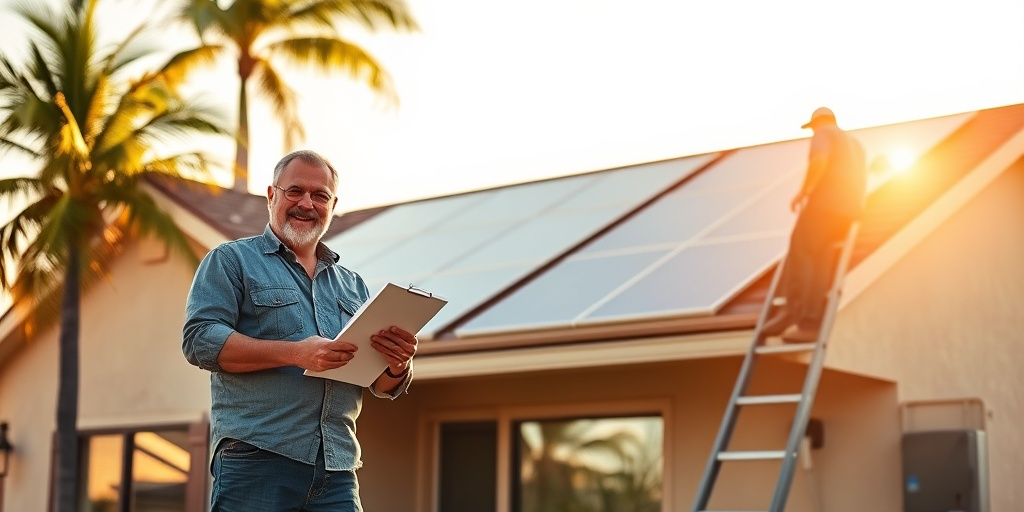
In an age where renewable energy is powering everything from homes to electric vehicles, do you really think that solar scams aren’t a serious concern for homeowners? It’s a common misconception, yet the reality is starkly different. As of 2023, more than 70% of Americans support solar energy, making it an increasingly popular choice among homeowners (SEIA.org). Unfortunately, with this growing interest comes a surge in solar scams that target unsuspecting individuals, especially in vibrant states like Florida. In fact, the Better Business Bureau reported a 25% increase in complaints regarding solar panel companies in 2022 compared to previous years. This surge is alarming, particularly as we head into 2025, when rising energy costs and new solar incentives will encourage even more residents to consider switching to solar power. In the article titled Myth: Solar Scams Aren’t a Real Concern for Homeowners, we will dive deep into the risks associated with solar installations and equip you with the knowledge you need to protect yourself. We’ll cover five main sections: a compelling story that highlights real experiences with solar scams, actionable steps you can take to safeguard against fraud, common myths to debunk, practical tips for navigating the Florida solar landscape, and an in-depth look at the technology involved in solar energy systems. Let’s get started!
Understanding the Risks: The Reality of Solar Scams
When considering solar energy, many homeowners fall victim to the fallacy that the majority of solar companies are trustworthy. The truth is far less reassuring. Solar scams can take various forms, from misleading advertisements to outright fraud. Take, for example, the story of Jane and John, a couple from Fort Lauderdale who dreamed of installing solar panels to save on their energy bills. Eager to transition to solar, they contacted a company that promised incredible savings—only to discover the fine print hid excessive fees, poor-quality equipment, and no valid warranty.
To protect yourself from scams, follow this 5-Step Checklist:
- Research the Company: Look up reviews on reputable sites such as SolarReviews.com and the Better Business Bureau.
- Verify Licenses and Certifications: Make sure the installers are licensed in Florida and have solar-specific certifications.
- Get Multiple Quotes: Compare proposals from several companies to establish a reasonable price range.
- Read Everything: Pay close attention to all terms and conditions; don’t just skim over the document.
- Inquire About Warranties: A reliable company will offer warranties both for the equipment and the installation.
Debunking the myth that solar scams aren’t prevalent is crucial. For example, Myth #1 states that all solar energy companies are reputable. While many are, numerous fake businesses exist, particularly targeting those eager to transition to renewable energy. According to a 2023 survey by the National Renewable Energy Laboratory, around 20% of new solar customers reported having encountered some deceptive high-pressure sales tactics (NREL.gov).
Another common misconception is that if you’re purchasing through a government program or rebate, you’re safe. In reality, some scammers may pose as representatives of those programs, trying to extract personal information or sell subpar systems. For example, Florida residents should remain cautious about unsolicited phone calls claiming to be affiliated with utility companies offering discounts on solar power systems.
Additionally, Florida’s growing solar market reflects the harsh truth. A recent report indicated that the state ranks second in the nation for installed solar capacity. This high demand often brings in bad actors looking to exploit misunderstandings amongst consumers unfamiliar with the technology (SolarPowerWorld.com). Therefore, understanding the landscape and ensuring a company has positive local reviews can save you a lot of stress and money.
As solar technology evolves, so do the tricks of those looking to exploit your good intentions. For instance, potential customers should be aware of misleading financing offers that appear beneficial but lead to hidden long-term costs.
In conclusion, staying educated is the best defense against scams. The more knowledge you have, the better equipped you will be to make informed decisions. In our next section, we will outline key practices to consider when engaging with solar energy companies for your needs.
Best Practices for Florida Homeowners Considering Solar
Being informed is your most reliable defense against scams. Here are some expert tips to help you navigate the solar installation process:
- Understand Your Energy Needs: Before contacting solar companies, assess your energy consumption. Knowing your monthly usage will help you choose the right system.
- Seek Local Expertise: Local companies are often more invested in their community and tend to offer personalized services. Check for the ones that focus on serving Florida homeowners.
- Get Expert Opinions: Consulting energy advisors or independent solar consultants can provide unbiased insight into your specific needs and help you avoid scams.
- Use Florida-Specific Resources: Resources like the Florida Solar Energy Center provide valuable information tailored to the state’s solar policies and incentives.
- Speak Up: Never hesitate to ask questions when consulting solar companies. A trustworthy business will welcome inquiries and provide clear answers.
In a recent report by the Solar Energy Industries Association, it was stated that over 300 solar companies are currently operating in Florida (SEIA.org). With so many options available, it’s vital to choose a reputable one. For this reason, initially contacting a local industry expert, such as the team at floridaelectricandsolar.com, can guide you to trustworthy companies while saving you a considerable amount of frustration.
Additionally, as you compare companies, keep a checklist of questions ready, including:
- How long have they been in business?
- What warranties do they offer on their products and labor?
- Can they provide customer references or testimonials?
- What will be the total installation costs, including potential financing options?
- Are they accredited members of recognized industry organizations?
Always remember to trust your instincts. If an offer seems too good to be true, it probably is. Focus on taking your time through the decision-making process. Your investment in solar should yield returns for years to come; there’s no need to rush into it.
Our next section is about tackling misconceptions surrounding solar scams and highlighting their implications on real-world decisions. Understanding these issues will bolster your confidence against fraudulent practices.
Debunking Common Solar Myths
Numerous myths revolve around solar energy and the companies that provide it, fueling skepticism among potential buyers. Let’s address some of the most pervasive misconceptions:
Myth #2: Solar panels are only for wealthy homeowners. This misconception disregards financing options available to lower-income families as well as lucrative government rebates aimed at making solar accessible to everyone. The reality is that government incentives are designed to help you save more on your installation, with potential savings of up to 26% on your federal taxes (Energy.gov).
Myth #3: Solar systems don’t work in cloudy or rainy weather. Many believe that solar panels require constant sunlight to function. However, solar panels can still generate energy on cloudy days—albeit not as efficiently as in full sunlight. Education about solar technology has greatly advanced, creating modern systems capable of capturing energy even in less-than-ideal conditions.
Myth #4: Once you purchase solar panels, you will never have to worry about maintenance. Solar panels do indeed require some degree of upkeep, including regular cleaning and inspections to ensure optimal functionality. However, many reputable companies provide maintenance services, giving you peace of mind in this regard.
Myth #5: Solar energy is not cost-effective. This claim has been debunked repeatedly by data showing that the long-term savings on electric bills can outweigh the initial costs of installation. In Florida, homeowners can save an average of $30,000 over 20 years by switching to solar, depending on system size and energy usage.
As these myths are dispelled, it has become increasingly important for homeowners to distinguish between reality and deception in the solar industry. This understanding helps in making informed decisions that can lead to long-lasting financial and environmental benefits.
Now, armed with knowledge of common misconceptions, let’s explore the technical aspects of solar technology, you’ll find relevant data and tips to further elucidate your considerations.
The Technical Side of Solar Energy
Understanding the technology behind solar energy can demystify the process and help avoid common pitfalls. Solar energy systems consist of several key components: solar panels, inverters, and batteries, all working in tandem to generate and manage energy efficiently.
Solar Panels: These are the most visible part of the system; they capture sunlight and convert it into electricity. There are two main types of solar panels: monocrystalline and polycrystalline. Monocrystalline panels tend to be more efficient and take up less space, making them a popular choice among homeowners.
Inverters: The inverter is crucial as it converts the direct current (DC) produced by solar panels into alternating current (AC) used by your home. A smart inverter can also provide real-time monitoring of your energy production and consumption.
Batteries: While not mandatory, energy storage solutions allow homeowners to store excess energy for later use, optimizing savings. Additionally, having a backup battery can enhance home resilience during outages.
It’s also imperative to understand the financial implications of solar installations, particularly the various billing models available, such as net metering and solar leases. Net metering allows homeowners to sell excess energy back to the grid, significantly improving savings. Florida law supports net metering, making it easier for homeowners to benefit financially from their systems (DSIREUSA.org).
Investing in solar energy offers more than just efficiency; for many Floridians, it opens doors to energy independence and ecological stewardship. As technology continues to improve and costs decline, now is the perfect time to consider making the transition. Next, let’s look at actionable steps you can take as a Florida homeowner when considering solar energy for your home.
Next Steps for Florida Solar Buyers in 2025
Planning to install solar energy in 2025? Here’s a practical action plan to set you on the right path:
- Step 1: Audit Your Electric Bill: Understand your monthly energy usage and how it fluctuates. Identifying peak consumption times will predict how much power you should generate with your solar panels.
- Step 2: Research Potential Installers: Create a list of local solar companies, check their reviews, and make sure they are properly licensed in Florida.
- Step 3: Schedule Consultations: Meet with multiple installers to get quotes. Ask questions regarding their installation processes, product warranties, and financing options.
- Step 4: Explore Financing Options: Research different ways to finance your solar installation, including loans, leases, and cash purchases.
- Step 5: Finalize Your Contract: Before signing any contract, ensure you’ve reviewed every line, confirmed warranties, and clarified maintenance requirements.
By following these actionable steps, you will be leaving no stone unturned in your quest for reliable solar energy solutions. Also, don’t forget to consult resources available through floridaelectricandsolar.com for navigating the options effectively.
As we wrap up this comprehensive guide, it’s critical to remember that transitioning to solar is an investment in both your financial future and the planet’s health. By safeguarding against scams, being informed about technical details, debunking prevalent myths, and preparing adequately, you can confidently move into 2025 ready to make your switch to solar power.
In conclusion, the journey to solar energy is more than just a technical shift—it’s about securing your family’s financial future, supporting ecological sustainability, and taking control of your energy independence. As misinformation continues to circulate, it’s crucial that every Florida homeowner becomes a knowledgeable participant in this exciting transition. The potential for long-term savings and energy reliability is both promising and real.
Ready to start your solar journey in 2025? Connect with a certified expert at floridaelectricandsolar.com today.
Related Articles
More insights about Solar Scams

Warning: Don’t Overlook These Solar Scams to Avoid

Don’t Miss This Critical Alert About Solar Scams

Don’t Ignore These Critical Solar Scams to Avoid
Ready to Go Solar?
Have questions about solar energy? Our experts are here to help you make the switch to clean, renewable energy.