
Myth: Solar Scams Are Just a Minor Concern
Share:
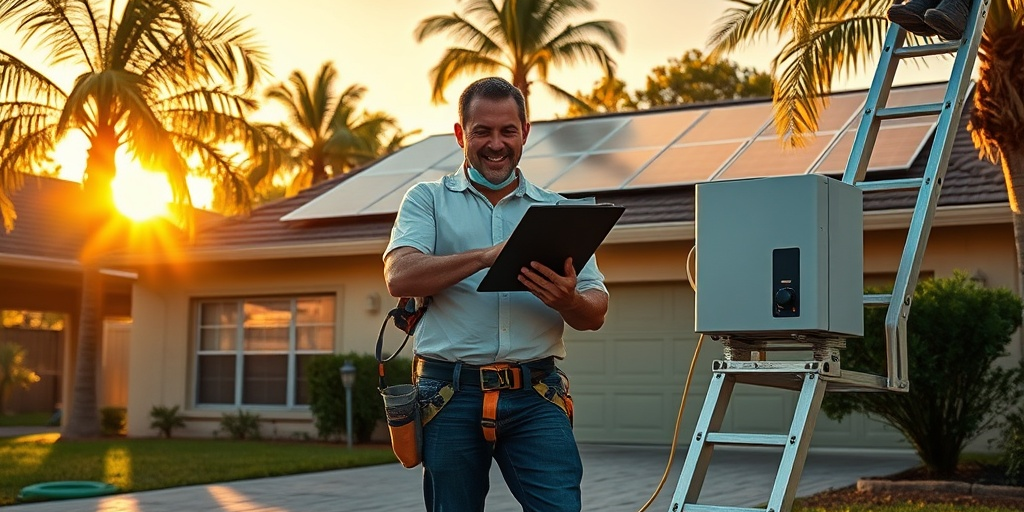
In a world where energy bills are incessantly on the rise, Floridians searching for solutions are increasingly turning to solar power. However, amidst rising interest, misconceptions abound. One of the most misleading myths circulating in 2025 is that “solar scams are just a minor concern.” This myth can potentially endanger your safety and financial investments. The reality? Solar scams are a very real threat—77% of Americans have encountered misleading information about solar energy (SolarEnergy.org). Moreover, the National Renewable Energy Laboratory reported that Florida ranks in the top five states for solar energy potential, making it an attractive yet vulnerable target for bad actors in the industry (NREL.gov). It is crucial to understand these claims thoroughly before choosing to invest in solar energy.
The article titled “Myth: Solar Scams Are Just a Minor Concern” aims to dissect these myths and empower Florida homeowners and commercial property owners with the knowledge they need to make informed choices. As energy costs surge and technological advancements accelerate, understanding how to navigate the solar landscape has never been timelier. In this blog post, we’ll cover five critical aspects: the emotional story of a homeowner scammed, a checklist for spotting scams, common myths debunked, a focus on Florida-specific issues, and a technical examination of the solar market. Ready to reclaim your energy independence? Keep reading and discover how you can protect yourself while saving on solar investments!
Understanding the Myriad Myths Surrounding Solar Scams
James and Sarah live in St. Petersburg, Florida, and were excited to invest in solar energy, envisioning lower electric bills and a minimal carbon footprint. Their enthusiasm rapidly turned to despair when they fell for a well-crafted scam that promised exorbitant savings with a low-quality product. Driven by urgency and a lack of knowledge, they didn’t thoroughly investigate the companies they were considering. Fortunately, they realized something was awry before it was too late, but not everyone is so lucky. Unfortunately, this is a narrative echoed across many households in the Sunshine State. In this section, we will provide a checklist for identifying potential solar scams, ensuring you can make informed decisions as you embark on your solar journey.
- Research the Company: Always start by looking up the solar provider’s reputation. Websites like the Better Business Bureau (BBB) allow you to read reviews and complaints from other customers.
- Verify Licensing and Insurance: Ensure that your installer holds valid licenses and insurance. Florida requires specific licenses for solar contractors, which should be easily verifiable through local governmental resources.
- Request Detailed Proposals: A legitimate solar company should provide a comprehensive proposal that includes the project scope, costs, energy savings analysis, warranties, and financing options.
- Be Cautious of High-Pressure Tactics: Scammers often use urgency and timelines to pressure homeowners into a decision. If it feels rushed, step back and reconsider.
- Get Multiple Quotes: Comparing estimates from different providers can help you identify offers that are too good to be true.
Armed with this checklist, you can protect yourself from falling prey to scammers. Always remember: legitimate solar companies prioritize customer education and satisfaction, not just sales numbers. Transitioning to solar energy should feel empowering—not frightening.
Debunking Myths About Solar Scams
Myth #1: “All Solar Companies Are the Same.” This belief can lead homeowners to overlook key distinctions between providers. In reality, quality can vary significantly, impacting the performance and durability of your solar system. Lower-quality installations may not be backed by warranties or complete transparency in their business practices. The Solar Energy Industries Association (SEIA) estimates that strongly vetting your contractor can enhance your system’s lifespan by up to 25%.
Myth #2: “Solar Scams Are a Minor Issue.” As mentioned earlier, the statistics suggest otherwise. Victims of fraud lose an average of $1,000 when scammed, but the repercussions can go beyond finances; they can also affect trust in renewable energy as a whole. Building a community that reports scams can be a powerful deterrent.
Myth #3: “The Better the Deal, the Better the Company.” This saying is particularly dangerous. Lowball quotes often hide inferior products or hidden fees. Always ask for transparency in pricing; solid, reputable companies will be honest about their costs.
Myth #4: “Solar Panels Will Always Save You Money.” While true for most, this may not apply if you don’t do your homework. Systems poorly designed for your home can lead to unanticipated costs and lower savings than expected. You must consider various factors, including your roof orientation, local energy rates, and available incentives.
Myth #5: “Solar Installation is Only About the Panels.” This misunderstanding leads to ignoring crucial components like inverters and batteries. Without high-quality inverters or unreliable battery storage, homeowners can hinder their energy savings drastically. Your system should be looked at as a whole—it’s not just about installing solar panels; it’s about creating a functional energy ecosystem tailored to your individual needs.
With these myths effectively debunked, it becomes clear that caution in the solar industry is warranted. Take time to educate yourself and reach out to professionals who prioritize education and ethical practices. Reliable companies seek to empower you on your solar journey—a journey that can lead to substantial savings and sustainability.
Florida-Specific Considerations in Solar Installations
Understanding the local landscape and regulations is fundamental when investing in solar energy in Florida. The Sunshine State boasts a plethora of solar incentives, from the 26% federal solar tax credit to net metering policies that help offset energy costs (SEIA.org). However, specific pitfalls are unique to Florida homeowners.
- Florida’s Property Tax Exemption: Solar panel installations in Florida will not increase your property tax assessment, making it financially attractive to switch to solar power.
- Permitting Challenges: Certain counties can have intricate permitting processes. Ensure you are working with a company familiar with local regulations.
- Weather Considerations: Florida’s storms can impact solar installations. Always consult companies that provide robust warranties and sturdier installations designed for hurricane-prone regions.
- High Energy Costs: With the average energy bill in Florida hovering around $125 per month (Energy.gov), transitioning to solar can result in significant savings, especially with net metering that allows you to sell back excess energy generated.
- Community Solar Programs: Explore opportunities joining a community solar program, which might be a more affordable alternative that allows you to benefit from renewable energy without installing solar panels on your property.
Understanding these local dynamics can lead to a more successful and satisfying solar journey. Knowledge is power in the quest for energy independence, and Florida’s energy landscape is rich with resources tailored to your needs.
5 Expert Solar Installation Tips for 2025
The solar market, while promising, is complex. If you’re contemplating the transition to solar energy this year, here are five essential tips to guide your installation process.
- Choose Quality Over Price: A cheaper installation may lead to more significant costs later. Invest in high-quality panels and inverters—it’s the brain behind your solar system.
- Evaluate Your Energy Needs: Take a close look at your historical energy usage and future needs to size your solar system accurately. The average Florida homeowner using 1,000 kWh a month should consult with energy experts to avoid oversizing or undersizing their system.
- Consider Battery Storage: Pair your solar system with battery storage options to maximize savings and provide backup during grid outages. As Florida’s weather can be unpredictable, this can prove invaluable.
- Stay Updated on Incentives: Incentives change; keep yourself informed. The 2025 tax credits on solar installations will be reducing, so act now before they decline.
- Follow Up on Maintenance: Solar systems require minimal maintenance, but this doesn’t mean no maintenance. Regular inspections ensure your panels are operating at peak efficiency.
Implementing these installation tips ensures a more effective solar setup and offers peace of mind in your energy decision. Your investment deserves the highest attention to detail, as even minor oversights can lead to profound consequences in performance.
Your Action Plan for 2025: Steps to a Successful Solar Journey
Now that you’ve gained valuable insights into avoiding solar scams and understanding the local dynamics, it’s time to take actionable steps to get started on your solar journey in 2025.
- Audit Your Electric Bill: Review past bills to understand your energy consumption. Identify periods of high usage to assess how solar can benefit you.
- Research Solar Providers: Compile a list of solar providers. Investigate their credentials, read reviews, and check governance compliance in Florida.
- Request Specific Estimates: Approach your shortlisted companies for detailed proposals. The more information you compare, the better choices you can make.
- Understand Your Financing Options: Explore different payment structures, such as upfront costs, solar loans, or leasing options. Consider which aligns best with your financial situation.
- Schedule an Installation: Once comfortable, schedule an installation that works with your timeline. Get to know your installer and develop a financial plan that accommodates potential future costs.
Your proactive approach can save you from the pitfalls of fraud and ensure you are making sound investments. The quality, sustainability, and joy of solar energy await, empowering you to embrace a brighter future.
Conclusion: Empowering Your Solar Journey
As we’ve explored, myths surrounding solar scams could potentially derail your aspirations toward energy independence. From the emotional story of James and Sarah to the actionable steps you can take, arming yourself with knowledge is essential. The implications of choosing the right solar provider in Florida are significant—not only for your pocketbook but for the integrity of our evolving energy landscape.
Your energy decisions impact not just your family today but the world tomorrow. As we negotiate the complexities of transitioning to renewable energy, don’t let fake promises cloud your vision. Elevate your understanding and use it to create a sustainable future. The urgency of action has never been greater—don’t let the threat of scams stand between you and lasting savings.
Ready to start your solar journey in 2025? Connect with a certified expert at floridaelectricandsolar.com today.
Related Articles
More insights about Solar Scams

Warning: Don’t Overlook These Solar Scams to Avoid

Don’t Miss This Critical Alert About Solar Scams

Don’t Ignore These Critical Solar Scams to Avoid
Ready to Go Solar?
Have questions about solar energy? Our experts are here to help you make the switch to clean, renewable energy.