
Myth: You Cannot Save Money with Solar Panel Installation
Share:
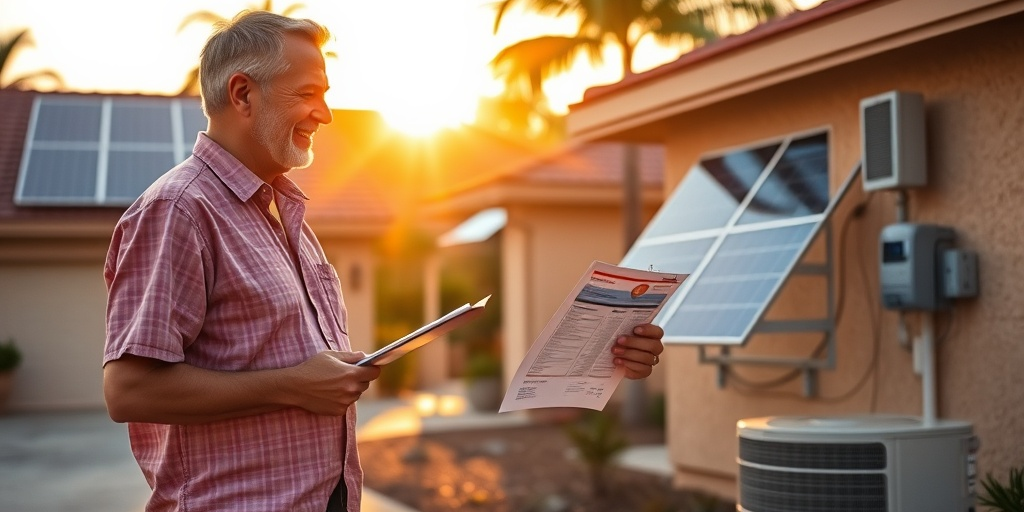
When it comes to solar power, misconceptions abound, but one stands out: the belief that you cannot save money with solar panel installation. This myth persists, clouding the minds of many Florida homeowners considering a switch to solar. According to the Solar Energy Industries Association (SEIA), Florida ranks first in total installed solar capacity in the U.S., indicating that a growing number of residents are catching on to the benefits of harnessing the sun as a vital energy source. Moreover, the average homeowner can save anywhere from $10,000 to $30,000 throughout the lifespan of their solar panels (SolarReviews.com). In a time when energy costs are projected to rise, learning the truth behind solar cost savings is urgent in 2025. In this blog, we will set the record straight on this addressable topic, exploring the savings potential of solar energy in Florida while uncovering key insights into its financial advantages. Here’s what we’ll cover: a compelling case study of a Florida homeowner’s journey, a practical checklist for getting started, a robust myth-buster section addressing common misconceptions, best practices that can maximize your investment, and an action plan to guide you through the process.
Myth: You Cannot Save Money with Solar Panel Installation
James and Maria, a family residing in the sunny suburbs of Jacksonville, had always felt the crunch of high energy bills each month. Tired of watching their hard-earned money vanish into thin air as they powered their home, they began to explore solar energy as a viable alternative. With the support of Florida Electric & Solar, they soon discovered how they could reduce their monthly expenses considerably by installing solar panels. Their journey illustrates the potential for savings that many Florida homeowners are missing out on. Here’s how you can achieve financial success with solar.
- Assess Your Energy Needs: Start by evaluating your current electricity consumption. This means analyzing past utility bills to understand how much energy you use and when you use it most. For many Floridians, summer months can create spikes in energy use due to air conditioning.
- Understand Available Incentives: Research local, state, and federal incentives for solar installation. In Florida, you can benefit from a Property Tax Exemption on the added value that solar installations bring to your home.
- Choose the Right Installer: Partner with a reputable solar provider like Florida Electric & Solar. Their expertise ensures that you benefit from superior service and optimal solar system design.
- Consider Your Financing Options: Examine various financing methods such as solar loans, cash purchases, or solar leases. Each option has its advantages and impacts your ultimate savings differently.
- Monitor Your Energy Production: After installation, track your solar energy production through an online portal. Understanding how much energy you’re generating will help you gauge the financial benefits realized from going solar.
Myth #1: Solar Systems Are Too Expensive to Install
One of the most pervasive myths about solar is the perceived high cost of installation. Many believe that the upfront investment is insurmountable, but the reality is that solar prices have plummeted over the past decade. According to Energy.gov, solar panel prices have dropped by over 70% since 2010. In fact, many Floridians find that they can finance their systems with low or no money down options, making it easier than ever to enter the solar market.
Myth #2: Solar Won’t Save You Money in the Long Run
Another myth revolves around the belief that solar will not provide real savings over time. Studies show that homeowners who install solar panels experience a drop in their electric bills often by 50% or more—a staggering saving that compounds over time (SEIA.org). For instance, the average homeowner can expect a payback period of only 6-8 years, after which the savings only increase.
Myth #3: Solar Energy is Unreliable
Many skeptics claim that solar energy is inherently unreliable. However, technological advancements have made solar systems more efficient and dependable than ever. Systems equipped with battery storage ensure energy is available even when the sun is not shining. In fact, Floridians can utilize battery systems to store excess energy generated during the day for usage at night or during outages, providing a safety net in times of grid instability.
Florida-Specific Stats That Matter
In Florida, where sunshine is abundant, the solar savings potential is enormous. Did you know that the average solar panel system will save Florida homeowners approximately $19,066 over its lifetime? This figure underscores the importance of attacking the myth that solar is not a saving mechanism (SolarReviews.com). Additionally, Floridians are incentivized by net metering reforms that allow them to receive credits for the surplus energy they generate, which corresponds to further financial returns. Furthermore, the solar tax credit allows you to deduct 26% of the cost of your solar system from your federal taxes, increasing the attractiveness of investment.
Technical Deep-Dive: Understanding How Solar Saves You Money
To fully appreciate the cost savings of solar panel installation, it’s crucial to understand how your residential solar system functions. At its core, solar energy systems operate by converting sunlight into electricity through photovoltaic (PV) cells. This electricity is then used to power your home, significantly reducing your reliance on grid power.
- Net Metering: Participate in Florida’s net metering program, allowing you to send excess electricity back to the grid. This can slash your bills even further.
- Inverter Technology: Modern inverters efficiently convert available solar energy into usable power, enhancing your energy savings.
- Battery Storage: Invest in battery solutions. Store energy for use during high-demand times or outages, maximizing your savings.
Now that we’ve debunked common myths about solar panel installation and showcased how you can save money, let’s explore best practices to ensure you maximize your investment in 2025.
5 Expert Solar Installation Tips for 2025
As you consider making the switch, keep these five expert tips in mind:
- Don’t Skimp on Panel Quality: The quality of your solar panels greatly affects their performance. Invest in high-efficiency panels to maximize your energy savings.
- Prioritize Installation: Choosing the right installation company is crucial. They should be certified and have strong reviews from previous customers to ensure your system is installed correctly.
- Be Mindful of Shading: Install your panels where they will receive maximum sunlight during the day. Trees or buildings that shade panels can dramatically affect energy production.
- Take Advantage of Financial Incentives: Research and apply for incentives that benefit you. The more you save on installation costs, the quicker your return on investment.
- Plan for Future Needs: As your family grows or you add more devices within your household, plan for potential future energy needs by considering a larger system or additional panels.
With these strategies in your toolkit, you’re well on your way to optimizing solar savings.
The Solar Journey of a Florida Homeowner
Let’s take a closer look at Sarah, a Florida homeowner from Orlando, who decided to go solar. After assessing her electric bills and facing increasing costs, she reached out to Florida Electric & Solar for a free consultation. This led her to uncover substantial savings.
- Sarah found that by switching to solar, she could eliminate more than 50% of her monthly electricity bills.
- Utilizing the federal solar tax credit, she saved thousands out of pocket during the installation process.
- By staying informed and engaged, Sarah learned how to monitor her solar performance to ensure optimal savings.
Through her thoughtful approach and diligent research, Sarah not only saved money but also embraced a sustainable lifestyle, contributing positively to the environment.
Next Steps for Florida Solar Buyers in 2025
Now that you have a broad understanding of how solar can save you money, it’s time to tackle the next steps toward your solar journey:
- Step 1: Audit Your Electric Bill: Evaluate your energy usage patterns to understand how much you could save.
- Step 2: Research Local Installation Options: Search for local solar providers with experiences, like Florida Electric & Solar.
- Step 3: Get Multiple Quotes: Ensure you’re getting the best efficiency and price for your system.
- Step 4: Examine Financing Options: Explore all the financial incentives and consider the best options for your situation.
- Step 5: Schedule Your Installation: Once you’ve done your homework, take the plunge and schedule your installation!
Embarking on a solar journey can seem daunting, but the benefit of substantial financial savings and contributing to a sustainable future makes it worthwhile.
Conclusion
In wrapping up, it’s crucial to reflect on the journey toward embracing solar energy. By debunking the myth that you cannot save money with solar panel installation and highlighting the tangible benefits, it’s evident that solar energy is not just an option but a financial necessity for Florida homeowners in 2025. As energy prices continue to climb and sustainable living grows in importance, investing in solar panels presents an opportunity to take control of your electricity bills and potentially save thousands over time. Investing in solar energy is more than a simple choice; it’s a pathway to a brighter, more financially secure future for you and your family.
Ready to start your solar journey in 2025? Connect with a certified expert at floridaelectricandsolar.com today.
Related Articles
More insights about Solar Panel

Florida Homeowners: Why Solar Panel Maintenance Is Essential

7 Essential Steps for Solar Panel Installation Success

Expert Insights: Key Factors Influencing Solar Panel Lifespan
Ready to Go Solar?
Have questions about solar energy? Our experts are here to help you make the switch to clean, renewable energy.