
Proven Financing Options for Solar Panel Installation Success
Share:
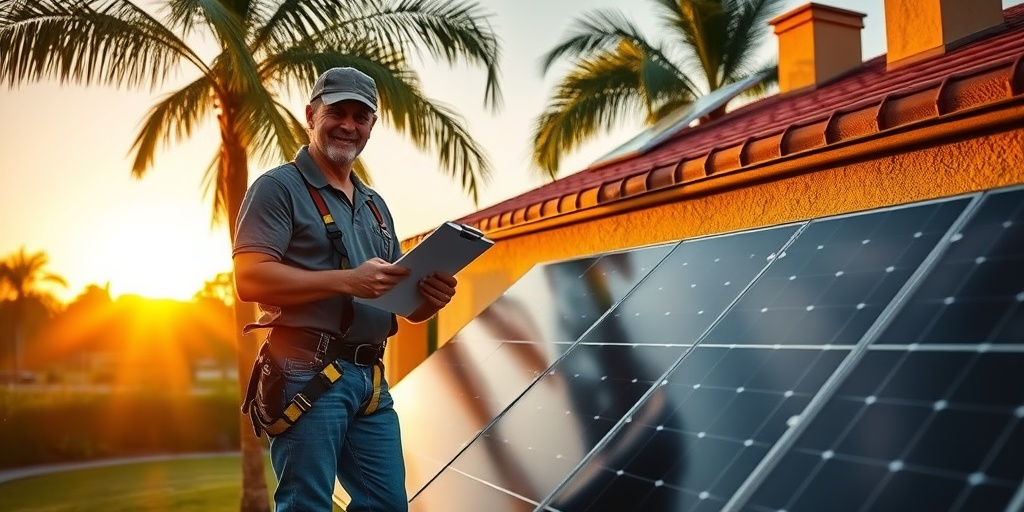
How would you feel if you could significantly cut your electric bills while contributing to a greener planet? With the rising costs of electricity and the current push for renewable energy, going solar is becoming an increasingly attractive option for Florida homeowners. In fact, studies show that solar energy can save homeowners up to $30,000 over 20 years (Energy.gov). As we move into 2025, homeowners may also take advantage of enhanced solar incentives that can make installation more affordable. In this enlightening piece titled “Proven Financing Options for Solar Panel Installation Success,” we’ll explore the essential financing strategies that can help Florida homeowners make the leap to solar power successfully. You’ll learn about financing options, understand common myths that hold people back, and discover local trends affecting your solar investment. Ready to unlock financing strategies that empower successful solar panel installation? Let’s dive into the five sections of this article: 1) A deep dive into case studies, 2) Actionable checklists for financing, 3) Busting myths surrounding solar investments, 4) Local Florida financing specifics, and 5) Technical insights to aid your decision.
Unlocking Success: Financing Case Studies for Solar Panel Installation
When Maria and John Rodriguez decided to transition their Orlando home to solar power, they were overwhelmed by the plethora of financing options available. Unsure of which path to take, they sought help from professionals. Their journey illustrates the transformative power of informed financing in the realm of solar energy. Leveraging federal tax incentives and state rebates, they quickly discovered how to leverage various financing options to install a 10 kW solar panel system that met the energy needs of their family.
The couple initially considered paying cash but soon realized that financing offers a powerful way to minimize up-front costs while maximizing future savings. After evaluating several options, they chose a combination of a solar loan and a Power Purchase Agreement (PPA). This hybrid approach allowed them to cover the installation costs while enjoying immediate savings on their electric bills.
1. **Solar Loans**: The Rodriquezes opted for a well-reviewed solar loan that enabled them to own their solar system outright while paying it off in manageable monthly installments. Considering that solar loan interest rates are often lower than the rising utility rates, this strategy proved beneficial. With a loan, they could take advantage of the 26% federal tax credit and see a return on their investment quickly.
2. **Power Purchase Agreement (PPA)**: A PPA allowed them to avoid up-front costs by paying for the power generated by the solar panels over the length of the agreement. This model reduces financial risk, ensuring you only pay for your solar energy as you consume it. Such agreements typically provide savings compared to traditional utility prices (SolarReviews.com), making them a compelling option.
3. **State Incentives**: The state of Florida offers several incentives that further sweeten the solar investment. Maria and John applied for the Florida Solar & Energy Conservation Tax Exemption, which saves homeowners 100% of the sales tax on solar panel purchases (DSIREUSA.org). Additionally, they took full advantage of the local rebate program that provided cash back after installation. By combining these incentives, they were able to significantly reduce their overall cost.
These stories illustrate that the financing landscape is diverse and tailored to meet the needs of various homeowners. If you’re considering solar power, it’s essential to investigate and compare different financing options thoroughly to find what best suits your situation.
In summary, do not just rush into any deal. Evaluate options like solar loans, PPAs, and local incentives before making your choice. Let’s proceed to the next section, where we’ll outline a checklist to help you navigate your financing journey.
Financing Your Solar Journey: Essential Checklists for Installation Success
Successfully financing solar energy doesn’t have to be a daunting task; with the right steps, you can simplify the process. Here’s a practical checklist designed to guide Florida homeowners like you through the key elements of financing solar panel installations.
- Step 1: Audit Your Electric Bill – Start by reviewing your electricity consumption over the past year. Understanding your average monthly usage helps determine the capacity you need for your solar panel system. This first step is critical to ensure you don’t over or underestimate your solar needs.
- Step 2: Research Available Financing Options – Familiarize yourself with the types of financing options available. Recognize the differences between solar loans, leasing, and PPAs. Each has its pros and cons, so evaluate their impact on your long-term savings. Local financial institutions may offer loans specifically designed for solar projects.
- Step 3: Leverage Tax Incentives – One of the most significant advantages of going solar is the federal tax credit. As of 2025, you can claim 26% of your solar installation costs if you install the system before year-end. Research additional state and local rebates to maximize your savings.
- Step 4: Consult with Professionals – Seek advice from certified solar installers and financial advisors. They can illuminate options tailored to your specific situation and lead you to the best financing solutions, including identifying grants and other resources.
- Step 5: Get Quotes and Compare – After narrowing down your options, request quotes from various solar installation companies. Compare the prices, services offered, and financing plans to ensure you pick the best option that fits your budget and needs.
Subsequently, understanding these steps can lead to more informed financial decisions. Every homeowner deserves the chance to go solar, and this checklist is your first action plan toward achieving that goal. If you want further assistance, visit floridaelectricandsolar.com for resources tailored to your solar journey.
Now, let’s illuminate common myths that may be delaying your decision to go solar.
Debunking Myths: Solar Financing Misconceptions
In the realm of solar energy, misinformation can create confusion and hesitation. It’s high time to debunk prevailing myths that cloud the decision-making process. Let’s address some common misconceptions that may prevent potential buyers from choosing solar power.
- Myth #1: Solar is Too Expensive – The belief that installing solar panels is prohibitively expensive is outdated. With various financing options available, including loans, leases, and PPAs, more homeowners can affably afford solar energy. Numerous state incentives also help alleviate installation costs (SEIA.org).
- Myth #2: Solar Panels Only Work in Sunny States – Even in partly cloudy cities like Orlando, solar panels are highly effective. They can generate energy in overcast conditions, maximizing the potential for energy savings, regardless of state geography.
- Myth #3: Solar Energy is Inefficient – Advances in solar technology have led to more efficient panels that convert sunlight into electricity. Today’s solar systems can reach efficiency levels of over 22%, ensuring you capitalize on more energy savings than ever before (SolarReviews.com).
- Myth #4: You Can’t Sell a House with Solar Panels – On the contrary, homes equipped with solar panels can possess a higher resale value. Prospective buyers see solar arrays as a long-term investment with built-in energy savings, making your home more attractive on the market.
- Myth #5: All Solar Installers Are the Same – Not all solar installation companies provide the same services or quality. Homeowners need to conduct thorough research and choose certified installers to ensure that they receive exceptional service and knowledgeable consultation.
Understanding these myths helps clarify the path forward for homeowners contemplating solar investments. Now that we’ve debunked common misconceptions, let’s focus on local trends shaping Florida’s solar financing landscape.
Florida’s Local Financing Landscape: What You Need to Know
As a Florida homeowner, understanding local financing intricacies is essential for maximizing your solar investment. Florida is notably one of the best states to invest in solar energy, thanks to its abundant sunshine and effective solar policies.
To navigate this landscape, consider the following aspects:
- State Incentives – Florida’s Property Assessed Clean Energy (PACE) program allows homeowners to finance solar installations through property taxes. This structure spreads costs over an extended period, making financing more manageable.
- Tax Benefits – The state provides a sales tax exemption, which allows homeowners to save significantly on solar installations by eliminating sales tax on solar equipment purchases. Additionally, utility companies may offer rebates for solar systems (DSIREUSA.org).
- Local Loan Programs – Many Florida municipalities offer specific financing options tailored to support solar installations. Pinellas County, for example, launched a solar loan program to help residents afford solar panel systems. This proactive approach makes it easier for homeowners to access funds.
These local trends not only enhance the affordability of solar investments but also contribute to a growing renewable energy market in the state. Equation these specifics into your planning and decision-making process, and you can effectively harness the solar revolution in Florida.
Next, let’s explore the technology behind solar systems and its implications for effective financing.
Technical Deep-Dive: Solar Technology Insights for Smart Financing
When contemplating solar panel installation, an understanding of the underlying technology is essential to maximizing your investment potential. Key components like panels, inverters, and batteries affect both the efficiency of energy production and your financing decisions.
1. **Solar Panels**: The most visible part of any solar system, panels convert sunlight into electricity. Two popular types include monocrystalline and polycrystalline panels. Monocrystalline panels are typically more efficient but come at a higher price, impacting your financing choice (Energy.gov).
2. **Inverters**: Solar inverters play a critical role in converting direct current (DC) electricity from the panels to alternating current (AC) electricity used in homes. Understanding the inverter’s specifications can help in assessing system costs and payback periods.
3. **Battery Storage Systems**: Many homeowners opt for battery storage systems to maintain energy independence during outages. Though they involve an additional initial cost, the ability to store energy for later use can lead to significant savings in the long run.
4. **Monitoring Systems**: Incorporating monitoring technology enables homeowners to track their energy production. Used correctly, it can aid in evaluating your solar system’s performance and make case arguments for financing when seeking loans based on energy savings.
By understanding the technical aspects of solar technology, you can precisely evaluate different systems, understand their cost implications, and make more informed financing decisions. The integration of advanced technology enhances your potential savings and provides greater returns on your investment.
Finally, let’s wrap up our discussion with actionable next steps for Florida homeowners contemplating the switch to solar energy.
Next Steps for Florida Solar Buyers in 2025
The solar landscape is continuously evolving, and for homeowners in Florida, 2025 presents an opportune moment to embrace this renewable energy source. Follow these actionable steps to kickstart your solar journey effectively:
- Step 1: Audit Your Property – Evaluate your roof’s condition and orientation. A south-facing unshaded roof is ideal for solar panel installation. Determine if any repairs are necessary to protect your future investment.
- Step 2: Research Solar Solutions – As you begin exploring solar solutions, look for options that align with your energy needs. Pay attention to available technologies and analyze their costs while projecting savings.
- Step 3: Leverage Incentives – Familiarize yourself with available rebates and financing programs, including PACE and state tax credits. Prepare all necessary documentation to take full advantage of these incentives.
- Step 4: Consult with Experts – Partner with reputable solar companies for a thorough consultation. Get multiple quotes and ensure that you select reputable installers and trustworthy financing options.
- Step 5: Choose Your Financing Model – Based on your financial analysis and consultation, pick the financing model that aligns best with your budget. Whether a loan, lease, or PPA, ensure you fully comprehend the terms before signing any agreements.
With this straightforward action plan, you’ll be well on your way to taking advantage of Florida’s solar opportunities. If you’re ready to explore more options, ensure you reach out to floridaelectricandsolar.com for actionable resources.
In conclusion, choosing solar power is not just about technology; it’s about empowerment and savings. Every step you take towards financing and adopting solar energy can lead toward a more sustainable future for your family and our planet. Remember the urgent need to address rising energy costs; 2025 presents an extraordinary window of opportunity. Connecting with trusted solar experts can elevate your path; don’t hesitate to take that vital first step.
Ready to start your solar journey in 2025? Connect with a certified expert at floridaelectricandsolar.com today.
Related Articles
More insights about Solar Panel

Florida Homeowners: Why Solar Panel Maintenance Is Essential

7 Essential Steps for Solar Panel Installation Success

Expert Insights: Key Factors Influencing Solar Panel Lifespan
Ready to Go Solar?
Have questions about solar energy? Our experts are here to help you make the switch to clean, renewable energy.