
Proven Insights on Solar Panel Lifespan for Homeowners
Share:
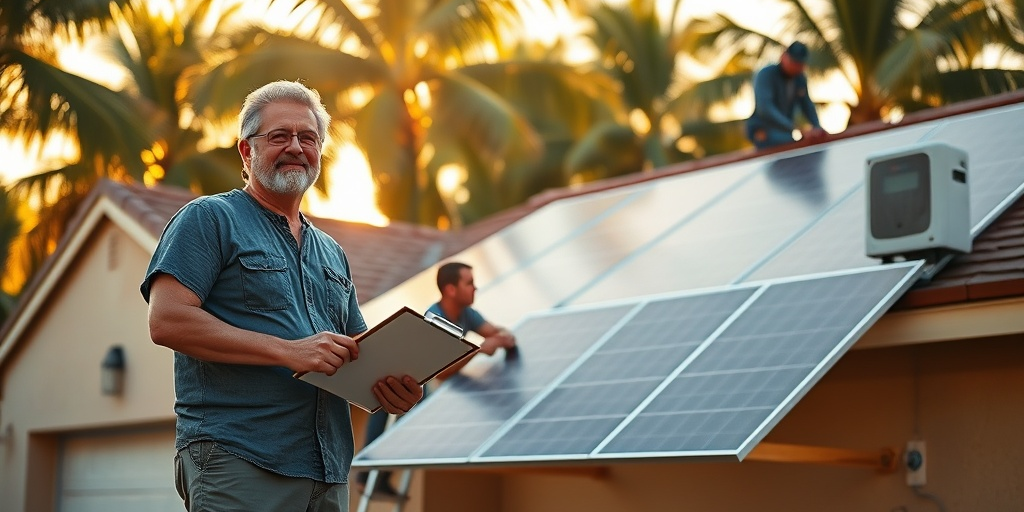
In 2023, the U.S. solar market reached new heights, with residential capacity surpassing 26 gigawatts, according to the Solar Energy Industries Association (SEIA). But how long will solar panels last? For homeowners eager to invest in solar energy, understanding the answer to this question is crucial, especially as we step into 2025, a pivotal year for solar power in Florida. This year is expected to bring significant changes, including lucrative tax incentives and a looming increase in energy prices, making it more important than ever to comprehend how the longevity of your potential solar panels can greatly impact your investment decisions. Welcome to our guide, “Proven Insights on Solar Panel Lifespan for Homeowners.” In this comprehensive article, we’ll explore everything you need to know about solar panel longevity, including: the pitfalls of poor installations, long-term savings, the myths surrounding solar energy, and practical steps that you can take to maximize your solar investment.
As many Floridians are aware, the changing climate is also sparking concerns about grid instability and increased energy costs. The average residential electric bill has spiked over recent years, making the switch to solar a financially viable and environmentally friendly option (Energy.gov). By investing in an efficient solar panel system today, Florida homeowners can potentially save thousands over the life of the panels.
Our exploration will cover the following five sections:
- The Realities of Solar Panel Lifespan
- The Essential Checklist for Florida Solar Buyers
- Myths Debunked: What You Need to Know
- Best Practices for Solar Installation in Florida
- Your Next Steps in the Solar Journey
Understanding the Realities of Solar Panel Lifespan
The lifespan of solar panels is often at the forefront of prospective buyers’ minds, and rightfully so. Imagine a young family in Sarasota, Florida, who made the pivotal choice to go solar in early 2025. They were drawn to solar energy not only for the financial savings but also for the promise of environmental benefits. After conducting research, they discovered that modern solar panels typically come with warranties ranging from 25 to 30 years. Yet, as they dove deeper, they learned that warranty doesn’t equate to actual longevity—many panels can continue functioning for decades beyond their warranty periods.
In our example, the family found that renewable energy systems have been shown to provide significant savings. According to SEIA, solar installation costs have decreased by over 70% since 2010, meaning upfront investments are becoming more manageable, resulting in quicker returns on investment. By investing in high-quality panels, they positioned themselves to reap the benefits of reduced utility bills and increased home value.
However, not all panels are created equal, which brings us to essential considerations regarding selection. To help ensure you make an informed decision regarding your solar system, we’ve compiled a checklist that will help you on your journey:
- Research Reputable Manufacturers: Understand the difference between leading brands and low-cost options.
- Evaluate Installation Companies: Choose a trusted installer with a solid track record in Florida.
- Compare Warranty Offers: Pay attention to performance warranties and product warranties.
- Check Efficiency Ratings: Consider how well each panel converts sunlight or its “efficiency rating.”
- Assess Resilience Against Weather: Florida’s weather varies; ensure that panels can endure storm conditions.
As for the longevity of modern solar panels, statistical data suggests that most panels can lose around 0.5% to 1% efficiency per year, enabling them to still operate effectively for 25 years or more. In fact, many panels remain operational beyond this, depending on maintenance and environmental conditions. For Florida homeowners, it’s crucial to focus on systems that offer high durability, like those designed to handle the Sunshine State’s intense sun exposure and occasional storms. It’s indeed a weather-borne state that features tropical storms; thus, it becomes vital to turn toward resilient equipment.
Essential Checklist for Florida Solar Buyers
Looking to invest in solar energy? Here’s an essential checklist every Florida homeowner should consider before making this transformative investment. This step-by-step guide will help you navigate your solar journey seamlessly and ensure you are well-informed at each turn.
- Step 1: Audit Your Electric Bills — Begin your solar journey by reviewing your electricity bills for the past year. Determine your average monthly usage to understand how much energy you need to offset with solar power.
- Step 2: Choose the Right Type of Panels — With various types of solar panels available, including monocrystalline and polycrystalline, consider which one provides the best balance of efficiency and cost. Monocrystalline panels offer higher efficiency but come at a premium.
- Step 3: Select a Qualified Installer — Research local companies specializing in solar installations. Look for those accredited by the Better Business Bureau (BBB) or those with numerous positive reviews from homeowners.
- Step 4: Compare Financing Options — Explore various financing options like direct purchase, solar loans, or leasing. Each comes with distinct advantages and should align with your financial goal.
- Step 5: Stay Updated with Incentives — In 2025, significant tax incentives, rebates, and net metering policies may come into play in Florida. Stay informed of these policies, as they can play a vital role in your investment return.
By adhering to this checklist, you arm yourself with the knowledge to make strategic decisions. As Florida homeowners look to embrace renewable energy, it’s wise to remember that installation quality and panel selections can yield substantial overall savings throughout their life. Moreover, according to the National Renewable Energy Laboratory (NREL), homes equipped with solar can see their property values increase, which is always a worthwhile consideration when weighing the advantages of going solar.
Myths Debunked: What You Need to Know
There are numerous myths surrounding solar energy that often deter homeowners from making the switch. Let’s clarify some of these common misconceptions:
- Myth #1: Solar Panels Are Too Expensive — While upfront costs can be high, financial incentives and decreasing installation prices mean that many homeowners see a positive cash flow very quickly.
- Myth #2: Solar Panels Don’t Work on Cloudy Days — Solar panels still generate electricity on overcast days; in fact, they work more efficiently at cooler temperatures, so cloudy days aren’t as detrimental as often believed.
- Myth #3: You Need to Be Off the Grid to Go Solar — Many homeowners connect to the grid while also benefiting from solar energy; this allows for net metering, so you can receive credits for any excess energy your system produces.
- Myth #4: Solar Panels Can’t Work in Florida’s Climate — In fact, Florida’s sunny weather is ideal for solar panels, and advanced technology continues to help optimize their performance, even in high humidity.
- Myth #5: You Can’t Sell Your Home If You Install Solar Panels — On the contrary, homes with solar installed are often more attractive to buyers and can sell for significantly higher prices.
Dispelling these myths can empower homeowners to make well-informed decisions about their solar investments. According to SolarReviews, the greatest step to take is dispelling the misconception surrounding solar finance. Homeowners should focus on the long-term benefits rather than short-term costs.
Best Practices for Solar Installation in Florida
When deciding to install solar panels, understanding the best practices ensures you’re set up for long-term success. The following tips will guide you through the installation and enable you to maximize your solar energy benefits.
- Choose Strategic Panel Placement — Proper placement allows for maximum sun exposure. South-facing roofs typically capture the most sunlight. Don’t skimp on this research! Factors like roof angle and shading should also be examined to optimize energy production.
- Opt for Quality Over Cost — Invest in high-quality solar panels and components. While budget options may be tempting, premium products come with longer lifespans, better efficiency rates, and ultimately lead to more savings long-term.
- Perform Regular Maintenance — Even though solar panels are low maintenance, periodic checks can prevent long-term efficiency issues. Ensure that your panels remain clean and unobstructed by debris or nearby foliage.
- Consider System Upgrades — Technological advancements in solar panels occur frequently. As new models enter the market, consider upgrading your existing system to benefit from improved efficiency and performance.
- Utilize Monitoring Systems — Implement monitoring software to track your energy production and consumption. Monitoring systems allow you to maximize your savings and make any necessary adjustments in real-time.
As you embark on your solar journey, these best practices will be your guiding light. The investment today can translate into sustainable, cost-saving energy solutions for years to come. Best of all, a solid solar system can raise your property value significantly. The key is to lean into quality installation and proactive maintenance to reap the rewards.
Your Next Steps in the Solar Journey
Deciding to go solar is a monumental step that can set the course for a sustainable and financially sound future. Here are the next steps every Florida homeowner should take to ensure a seamless transition to solar energy:
- Step 1: Gather Necessary Information — Before you reach out to installation companies, gather your electric bills, specific usage details, and property information. Doing so establishes a clear baseline for quoting and planning.
- Step 2: Conduct Interviews with Solar Installers — Take time to communicate and interview diverse installers. Assess their proposed systems, warranties, and past work to gauge their credibility.
- Step 3: Check for Licenses and Certifications — Verify credentials and licensing of prospective installers, ensuring they comply with Florida regulations and have relevant certifications.
- Step 4: Explore Financial Options Thoroughly — Review multiple financing strategies before proceeding. Understand what makes sense for your family’s financial needs.
- Step 5: Make Your Decision and Schedule Installation — Once you feel confident, make your final choice and schedule installation. Document the process for future reference if financing comes into play later.
These steps will pave the way for an empowering solar experience, transforming not just your property but also your family’s environmental journey. By taking timely and informed actions in 2025, you position yourself for substantial energy savings and increased home value. Don’t hesitate to consult resources on floridaelectricandsolar.com to ensure you’re making sound decisions.
As we close our exploration of “Proven Insights on Solar Panel Lifespan for Homeowners,” it’s essential to reflect on just how far you’ve come in understanding the dynamics of going solar. In the wake of potentially skyrocketing energy costs and increasing incentives, taking this step can redefine your household’s financial landscape. By evaluating your electric usage, debunking common myths, following best practices for solar installation, and implementing a successful plan, you optimize your solar investment for years to come. You have the power to change not only your life but to contribute to a sustainable future for Florida.
Ready to start your solar journey in 2025? Connect with a certified expert at floridaelectricandsolar.com today.
Related Articles
More insights about Solar Panel

Florida Homeowners: Why Solar Panel Maintenance Is Essential

7 Essential Steps for Solar Panel Installation Success

Expert Insights: Key Factors Influencing Solar Panel Lifespan
Ready to Go Solar?
Have questions about solar energy? Our experts are here to help you make the switch to clean, renewable energy.