
What Questions Should You Ask About Solar Panel Installation?
Share:
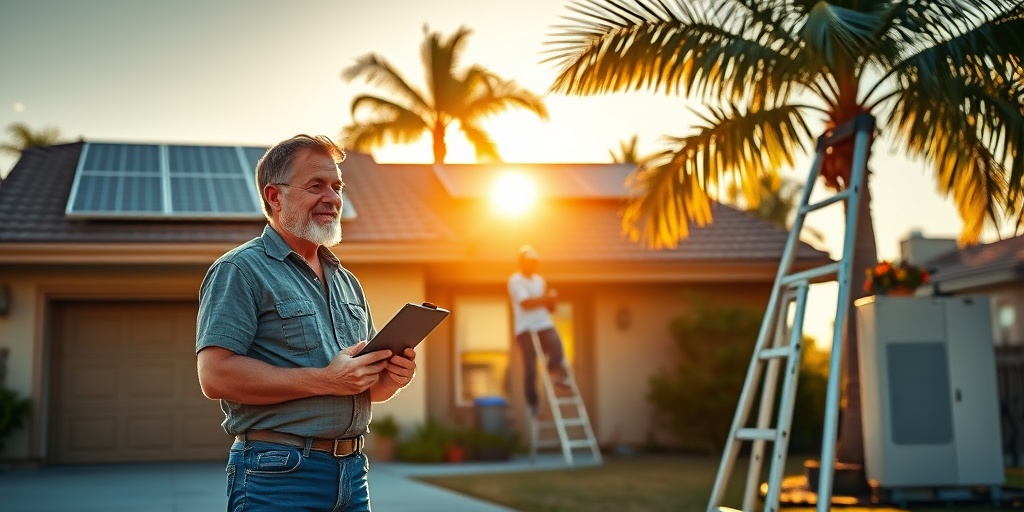
Is the sun shining over Florida’s rooftops just waiting to power your home? In 2025, the opportunity to harness solar energy is more compelling than ever, yet many Florida homeowners remain hesitant about making the switch. This is particularly astonishing given that a significant 69% of solar customers report saving money on their energy bills after installation (SEIA.org). If you’re contemplating going solar, you’re likely asking—what questions should you ask about solar panel installation? That’s exactly what this article will explore. With the right information, you can ensure a smooth solar panel installation experience and make informed decisions that benefit your family and your wallet. As rising energy prices and new solar incentives loom on the horizon, knowing the right queries to pose becomes urgent—now is the time to take action. In this comprehensive guide on “What Questions Should You Ask About Solar Panel Installation?”, we’ll cover five key areas: a deep dive into essential questions, a helpful checklist for the installation process, myth-busting misconceptions about solar energy, best practices for solar installations in Florida, and an action plan tailored specifically for buyers in 2025.
Essential Questions to Ask About Solar Panel Installation
Imagine this: You’re a homeowner in sunny Florida pondering over the idea of installing solar panels. You’ve heard the buzz—lower electricity bills, reduced carbon footprint, and energy independence. But with all the choices available, how do you ensure you’re making an informed decision? Meet Sarah, a Florida homeowner who decided to dive into the solar world. Sarah found herself overwhelmed by the volume of information and advice flowing in from all corners—friends, neighbors, the internet. Determined to make the right choices for her family and finances, she crafted a list of essential questions she needed answered before moving forward.
Here’s a checklist of questions drawn from Sarah’s journey, bolstered by insights from energy experts:
- What is the total cost of the solar installation? Understand the breakdown of costs, including equipment, labor, permits, and any hidden fees. Knowing the total investment can help you weigh your options effectively.
- What financing options are available? Be sure to ask about various financing methods, including solar loans, leases, and Power Purchase Agreements (PPAs). In Florida, over 60% of buyers choose to finance their solar systems rather than paying in cash (NREL.gov).
- What are the performance guarantees offered? Different manufacturers provide various assurances for panel performance. Know what warranties your installer offers regarding panel efficiency and maintenance.
- How long will the installation process take? Get a clear timeline for the installation process. In Florida, installations may take anywhere from a few weeks to a couple of months depending on permitting and inspections.
- How will my energy bills change post-installation? Request clarity about how the installed solar panels will alter your energy costs. A comprehensive estimate should give you an idea of the savings you can expect (SolarReviews.com).
As you navigate solar installation, remember to educate yourself thoroughly. The more equipped you are with the right questions, the less you will rely on the whims of others. Each question is vital in ensuring a seamless installation, and every answer will lead you closer to a sustainable energy future.
With these questions on your mind, let’s transition into the next phase of your solar journey—a detailed checklist that will keep you focused and organized throughout the installation process.
Your Solar Installation Checklist
Having the answers to critical questions is fantastic, but you also need a concrete plan to follow through successfully. A well-structured checklist provides you with a roadmap as you prepare for your solar panel installation. Here are five essential steps to keep your project on track:
- Step 1: Audit Your Energy Consumption — Before making any decisions, evaluate your current energy use. Review your energy bills for the past year to understand your consumption patterns.
- Step 2: Research Local Solar Installers — Look for reputable solar contractors with positive reviews and sufficient local expertise. The strong presence of solar companies in Florida makes assessing options easier.
- Step 3: Schedule In-Home Consultation — Request a visit from your chosen installer, who will conduct a site assessment to determine the best solar solution tailored to your home.
- Step 4: Review Contracts Carefully — Once you receive a detailed proposal, spend time reviewing the contract terms, including financing options and warranties. Look for any red flags that could hint at hidden costs.
- Step 5: Prepare for Installation — Once the paperwork is finalized, be ready for the installation itself. Keep a schedule handy and prepare your home for any potential disruptions during installation.
Each of these steps plays a significant role in ensuring a successful solar installation. They help create a clear path from your initial research to the final moments of switching on your newly installed system. With this checklist in hand, you’ll be well-prepared to tackle any curveballs that come your way.
Myth-Busting Common Misconceptions About Solar Energy
As you navigate this fascinating world of solar energy, you may encounter several misconceptions that could lead you astray. Debunking these myths is crucial for making informed decisions. Let’s dive into some common fallacies surrounding solar energy:
- Myth #1: Solar Panels Are Too Expensive — Many people believe that installing solar panels costs an arm and a leg. However, financial incentives, tax credits, and financing options make solar more accessible than ever. In Florida, substantial rebates are available, significantly lowering initial costs (Energy.gov).
- Myth #2: Solar Energy Only Works in Sunny Places — While Florida has ample sunshine, solar panels still operate efficiently on cloudy days. They convert sunlight into energy, so don’t shy away due to occasional cloudy weather.
- Myth #3: Solar Panels Require Excessive Maintenance — One of the most appealing aspects of solar panels is that they require minimal maintenance. Regular cleaning and an annual check-up are enough to ensure your system operates optimally.
- Myth #4: You Can’t Get Off the Grid with Solar Energy — If you’re looking to go completely off-grid, it’s possible with the right battery storage systems. Battery storage allows you to keep utilizing solar energy around the clock.
Understanding and debunking these myths not only enhances your knowledge but empowers you in conversations about solar energy. This knowledge will eliminate reservations, allowing you to make confident decisions as you move forward in your solar journey.
Moving forward, Florida’s unique solar landscape provides exceptional opportunities and specific best practices for homeowners looking to embrace this renewable energy source. Let’s navigate how to make solar energy work best for you.
Best Practices for Homeowners in Florida
As a homeowner in Florida looking to install solar panels, it’s imperative to understand the best practices for maximizing your return on investment. Here are five valuable tips to guide your solar installation journey:
- Optimize Your Solar Panel Placement — Don’t skimp on panel placement. Ideally, solar panels should be installed on the sunniest parts of your roof to maximize energy generation throughout the day.
- Consider Going Battery-Ready — Battery storage is a consideration that many homeowners overlook. Including this feature during installation ensures your solar system is ready to go should you decide to add battery storage later.
- Enable Net Metering — Take advantage of net metering offered to Florida homeowners. This allows you to feed excess energy generated back into the grid, crediting you for the energy supplied—this can significantly reduce your overall utility bill.
- Local Regulations Matter — Familiarize yourself with local permits and regulations. Working with a local installer can simplify this process as they’ll be well-versed in navigating the necessary paperwork.
- Invest in Quality Equipment — Opt for high-quality panels and inverters, as they offer better warranties and efficiency. Making this investment pays off in the long run, increasing your system’s performance. A well-known option in Florida is the LG solar panel range.
By following these best practices, Florida homeowners like you put yourself in the best position to reap the full benefits of solar energy. Maximizing all aspects of your installation helps ensure that you save both environmentally and financially for years to come.
A Fictional Florida Homeowner’s Solar Journey
Let’s step back into the shoes of our earlier character, Sarah, who has opted to embrace solar energy. Sarah’s journey epitomizes what many Florida homeowners experience—joy, frustration, education, and ultimately empowerment. After extensive research and numerous questions posed to her solar installer, she finally made an informed decision.
- Initial Excitement — Sarah could barely contain her enthusiasm on the day of installation. She felt she was finally taking a stand for her energy future, aligning with her values of sustainability.
- Anticipation and Patience — The installation team arrived early, bringing a sense of professionalism and efficiency. While the process took longer than expected, Sarah learned patience truly is a virtue.
- Switching to Solar — Upon the completion of installation, watching her solar meter spin backward brought unparalleled joy. Remarkably, her first post-installation energy bill reflected significant savings—a moment she would always cherish.
- Community Influence — As several neighbors began to inquire about her experience, Sarah emerged as a trusted source of knowledge in her community, feeling empowered to share her solar journey.
Sarah’s story is not just about going solar; it’s about overcoming uncertainty through knowledge and fostering connections within her community. Wouldn’t you like to embark on your solar adventure? As you consider your options, let’s summarize the next immediate steps in your solar journey.
Next Steps for Florida Solar Buyers in 2025
Embarking on your solar journey means you’re taking significant strides toward energy independence, environmental sustainability, and financial savings. Here’s a straightforward action plan to guide you through the next steps:
- Assess Your Property — Evaluate the suitability of your roof for solar panels. Consider factors like roof orientation, shading from trees, and structural integrity.
- Get Multiple Quotes — Don’t settle on the first proposal. Reach out to several installers for quotes to compare pricing, warranties, and experience levels.
- Understand Incentives — Research state and federal incentives thoroughly so you can fully leverage any available credits, rebates, or grants.
- Be Informed About Interconnection — Gain knowledge about the interconnection process with your utility company, as this is crucial for getting hooked up to the grid.
- Schedule Installation During Off-Peak Seasons — If possible, book your installation during the off-peak times of the year to ensure you receive the best availability and potentially lower costs.
These steps will help you expertly navigate the sometimes complex waters of solar panel installation in Florida. As you prepare to make the switch, leverage trust in reputable players like floridaelectricandsolar.com to guide you through your options.
In conclusion, going solar in 2025 offers unparalleled advantages—financial savings, energy independence, and a significant decrease in your carbon footprint. Understanding the right questions to ask, following a thorough checklist, debunking myths, adhering to best practices, and sketching a clear action plan ensures that your solar journey is successful and satisfying. So why wait? Embrace this opportunity now, particularly as incentives and solar-friendly policies continue to evolve. Make the decision today to join thousands of satisfied Florida homeowners who are already enjoying the benefits of solar energy.
Ready to start your solar journey in 2025? Connect with a certified expert at floridaelectricandsolar.com today.
Related Articles
More insights about Solar Panel

Florida Homeowners: Why Solar Panel Maintenance Is Essential

7 Essential Steps for Solar Panel Installation Success

Expert Insights: Key Factors Influencing Solar Panel Lifespan
Ready to Go Solar?
Have questions about solar energy? Our experts are here to help you make the switch to clean, renewable energy.