
What You Need to Know About Solar Panel Installation in Florida
Share:
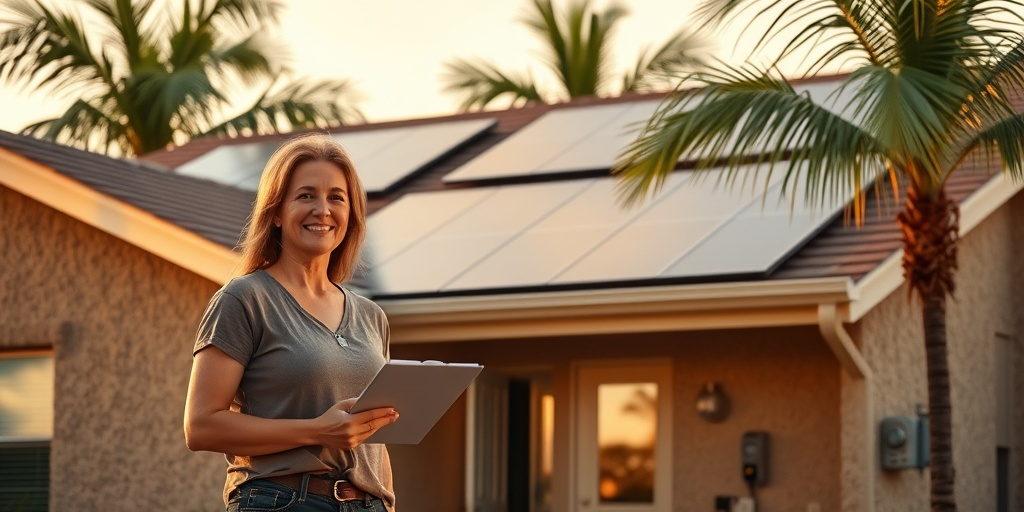
In 2025, homeowners and commercial property owners are faced with a pressing question: Is now the right time to embrace solar energy? With electricity prices in Florida continuing to climb—up by over 30% in the past decade (U.S. Energy Information Administration)—and the state’s solar power capacity reaching impressive heights, the case for solar panel installation has never been stronger. This article, titled What You Need to Know About Solar Panel Installation in Florida, is designed to equip you with essential insights and actionable strategies to make an informed decision. Understanding why transitioning to solar power is crucial goes beyond just cutting energy bills; it’s about securing your energy independence in a rapidly changing world. Notably, Florida has more than 1.9 million residential solar systems installed as of early 2023, demonstrating the growing trend among consumers (SEIA.org).
In this comprehensive guide, we will explore the ins and outs of solar panel installation in Florida through five engaging sections. First, we’ll take a deep dive into a relatable case study. Next, we’ll provide a clear checklist to help you navigate the installation process. After that, we’ll debunk common myths that could be holding you back from going solar. We’ll then focus specifically on Florida’s unique opportunities and challenges in the solar landscape. Finally, we will delve into the technical aspects of solar systems, ensuring you understand how they work and how to optimize your savings. By the end of this journey, you’ll be prepared to embrace solar technology with confidence, ensuring long-term benefits for you and your family.
Why Solar Panel Installation in Florida is Your Best Choice for 2025
Let’s start with a case study that embodies the transformation potential of solar energy. Meet Jane and Tom, a couple residing in Fort Lauderdale. Over the years, they noticed their electricity bills creeping higher without any sign of stopping. With their monthly electricity costs surpassing $250, they felt an unsettling ache each time they opened their bill. In 2023, they decided to investigate options for mitigating their skyrocketing expenses and stumbled upon solar panel installation.
After extensive research, they realized that in 2025, homeowners in Florida could still take advantage of the Federal Investment Tax Credit (ITC), allowing them to deduct 30% of the cost of their solar system from their federal taxes. This incentive made the initial installation more financially manageable, and they decided to partner with a local solar company, Florida Electric & Solar, to make their solar dreams a reality.
- Step 1: Energy Audit – The couple discovered that understanding their energy consumption habits was vital. They performed a complete audit to establish how many panels they’d need based on their historic energy usage.
- Step 2: Choosing the Right System – With the guidance of experts, they learned about different solar panel options, including monocrystalline vs. polycrystalline systems, and how inverter types affect energy efficiency.
- Step 3: Finding Financing – They explored various financing options to find the most beneficial plan, which included a mix of leasing and purchasing outright.
- Step 4: Understanding Permitting – The importance of local permits and approvals in Florida was emphasized. They learned the nuances of this crucial phase and its impact on installation timelines.
- Step 5: Installation Day – Finally, they were thrilled when installation day arrived, witnessing firsthand the transformation of their home, setting them on a path to energy independence.
Jane and Tom’s journey not only resulted in reduced bills but also inspired them to become advocates for solar energy within their community. This case study illustrates how Floridians can navigate the complexities of installing solar panels effectively. A pivotal takeaway is recognizing the significant financial incentives available in 2025, coupled with the critical knowledge they gathered about their energy needs.
Checklist: Key Steps to Begin Your Solar Journey
Step 1: Understand Your Energy Consumption
Before diving into solar, assess your monthly and annual energy usage. Grasping your consumption is pivotal for sizing your solar system, as it helps predict how many panels you’ll need to offset your electricity costs effectively.
Step 2: Research Financial Incentives
It’s essential to understand the financial landscape surrounding solar installations in Florida. As of 2025, the Federal Investment Tax Credit could save you thousands. Moreover, some local governments offer further rebates, so staying updated on these incentives is crucial.
Step 3: Evaluate Different Solar Technologies
Not all solar panels are created equal. Consider various types like monocrystalline, which may provide higher efficiency, or thin-film, which could be suitable for unique residential structures. Understanding these differences could significantly impact your investment long-term.
Step 4: Choose the Right Installer
Vet potential solar installation companies by checking their certifications, customer reviews, and track record. Partnering with a reputable company like Florida Electric & Solar ensures that your installation will be done professionally, enhancing performance and longevity.
/p>Step 5: Prepare for Installation
The anticipation of installation day can be thrilling! Ensure your home is ready, which may include clearing space around your roof and confirming that any permits are secured. Being proactive can ensure a smooth process.
Myth-Buster: Debunking Common Misconceptions About Solar
Myth #1: Solar Energy is Only for the Wealthy
One of the largest misconceptions about solar energy is that it’s only affordable for the wealthiest citizens. In reality, numerous financing options exist today, including solar loans and leases, making it accessible to many homeowners, regardless of their income level.
Myth #2: Solar Panels Require Full Sun Exposure
Many believe that solar panels won’t work well on cloudy days; however, solar technology is advancing. In Florida, even on overcast days, solar panels can still generate power as they rely on available light, not just direct sunlight.
Myth #3: Solar Panels Can’t Produce Enough Power in Florida
Some skeptics argue that solar panels can’t produce enough energy to justify the costs. In Florida, the state has abundant sunshine, and average solar panel performance data shows that you can expect high energy output throughout the year (NREL.gov).
Myth #4: The Installation Process is Too Complicated
Some potential buyers think that the installation process involves complicated and lengthy procedures. While preparing your home for installation does require steps like paperwork and inspections, working with a knowledgeable installer simplifies the experience significantly.
Myth #5: Going Solar Will Not Increase Home Value
Contrary to popular belief, solar energy installations can enhance home value. Studies indicate that homes with solar systems sell for an average of 4.1% more than those without (SolarReviews.com).
Local Focus: Florida-specific Solar Insights
Flordia is uniquely poised for solar energy innovation, capturing a significant portion of the nation’s solar market. The Sunshine State leads in solar capacity, boasting over 1,000 megawatts of installed capacity, evidencing the viability of solar as a primary energy source for homeowners (Florida Solar Energy Center). Factors such as high sunlight exposure, favorable policies, and increasing utility rates make going solar an attractive proposition.
Florida homeowners enjoy several state-specific benefits, which include:
- Net Metering: Many utilities offer net metering programs that allow solar owners to receive credit for excess power they generate and feed back into the grid.
- Solar Access Laws: Florida’s Solar Rights law ensures that homeowners have the right to generate solar energy without being restricted by neighborhood associations.
- No State Sales Tax: The state has eliminated sales tax on the purchase of solar equipment, further decreasing the overall cost of installation.
With an increasingly favorable regulatory environment, it’s evident that 2025 may be the golden year for solar energy in Florida, paving the way for a sustainable future.
Technical Deep-Dive: Understanding Solar Setup and Billing Options
As solar technology evolves, it brings new possibilities for Florida homeowners looking to reduce their energy bills and adopt renewable energy sources. In this section, we will take a technical look at key components of a solar panel system, billing options, and maintenance considerations.
Solar systems consist of various components, including solar panels, inverters, and batteries:
- Solar Panels: These capture sunlight and convert it to electricity. The efficiency of solar panels varies; therefore, it’s crucial to choose panels that provide the best return on investment based on your consumption and available space.
- Inverters: Inverters convert the direct current (DC) generated by solar panels into alternating current (AC), which is necessary for residential use. Choosing between micro-inverters and string inverters can impact efficiency and system resilience.
- Batteries: Although not mandatory, installing a battery system can provide added security by storing excess energy generated, allowing homeowners to rely on solar power during outages or nighttime.
Moreover, billing options can significantly affect your financial savings:
- Purchase: You pay upfront for the system. This option offers the highest long-term savings but requires significant initial investment.
- Solar Loans: A popular choice that allows you to finance your solar installation, offering flexibility and ownership benefits. Monthly payments are often less than your previous utility bill.
- Leasing: You can lease the solar system, paying monthly for use without needing a significant upfront cost. While this reduces upfront investment, it may limit long-term savings.
By understanding these components and billing options, you can tailor your solar system to fit your unique needs and financial situation, paving the way toward energy independence and substantial long-term savings.
Next Steps for Florida Solar Buyers in 2025
Ready to take your first steps toward solar energy? Here’s a practical action plan that will help you navigate this transformative journey.
- Audit Your Electric Bill: Review your past utility bills to understand your consumption trends and set a baseline for the solar system size you require.
- Explore Financing Options: Consult with lenders to understand solar loans, leases, or cash purchase plans to find what best fits your budget. Engage with companies like floridaelectricandsolar.com for tailored advice.
- Confirm Local Incentives: Research any local incentives, rebate programs, and state laws regarding solar energy to maximize your investment potential.
- Get Multiple Quotes: Approach various solar installers to obtain quotes. Thorough comparison will help you understand pricing, warranty terms, and service agreements.
- Schedule the Installation: Once you’ve selected an installer, confirm a date and prepare your home for system installation, ensuring that necessary permits are obtained.
Taking these steps will empower you to embark on your solar journey confidently and effectively safeguard your financial future against rising energy costs.
Conclusion
In summary, embracing solar panel installation in Florida is not just a trend; it’s an indispensable decision for homeowners in 2025. Whether you resonate with Jane and Tom’s story or are simply motivated by the idea of lowering your electric bills and achieving energy independence, the journey into solar energy is layered with benefits. From understanding the ins and outs of solar technologies, evaluating financial incentives, and debunking myths, you now have the knowledge to take action.
Your choice to invest in solar energy is crucial for your financial future, family, and the environment. The opportunity to take charge of your energy reliance is here—it is time to seize it. Don’t wait to explore how solar power can change your life for the better.
Ready to start your solar journey in 2025? Connect with a certified expert at floridaelectricandsolar.com today.
Related Articles
More insights about Solar Panel

Florida Homeowners: Why Solar Panel Maintenance Is Essential

7 Essential Steps for Solar Panel Installation Success

Expert Insights: Key Factors Influencing Solar Panel Lifespan
Ready to Go Solar?
Have questions about solar energy? Our experts are here to help you make the switch to clean, renewable energy.