
What You Need to Know About Solar Panel Installation in Florida
Share:
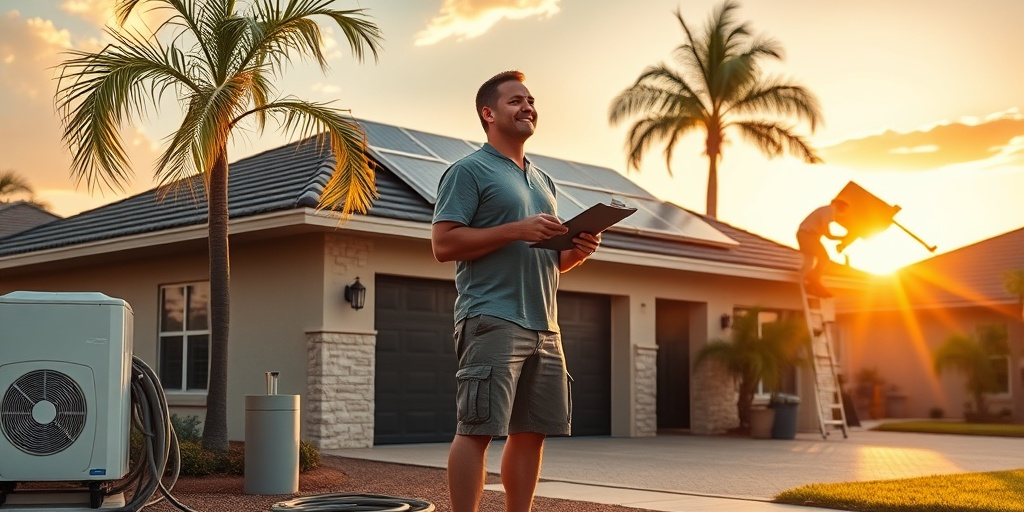
In recent years, solar energy in Florida has transitioned from a niche choice for the eco-conscious to a legitimate financial strategy embraced by savvy homeowners. Did you know that as of 2022, Florida ranked third in the nation for installed solar capacity, amassing over 7,000 megawatts? With rising electricity costs, particularly in Florida, homeowners are meticulously exploring options to cut their utility bills. Enter the era of solar energy. In this comprehensive guide titled, What You Need to Know About Solar Panel Installation in Florida, we will arm you with the critical information necessary to navigate your solar investment journey. You might be surprised to learn that going solar can save you anywhere from $10,000 to $30,000 over 20 years, depending on your system size and local incentives (SEIA.org). With the urgency of increasing energy costs and the newly available incentives for 2025, the time to consider this alternative power source is not tomorrow; it is now.
But what should Florida homeowners and commercial property owners really know about installing solar panels? Throughout this article, we’ll cover five essential areas: a deep dive into the benefits and myths of solar panel installation; best practices for ensuring a successful installation; an exploration of the latest data around solar energy; a roadmap for your next steps as a solar buyer; and practical advice tailored specifically for Florida residents to maximize their utility bill savings. Whether you’re still uncertain or have made the decision to switch to solar, this guide aims to engage and educate, helping to drive your decision making for a brighter energy-fueled future.
Understanding Your Solar Options in Florida
To understand how solar energy can benefit you, let’s explore what a typical homeowner in Florida might experience on their solar journey: meet Lisa, a middle-class homeowner living in Tampa. Concerned about the continual rise in her utility bills, she began researching solar energy. After gathering quotes from different companies, she felt overwhelmed; each seemed to present different benefits and complexities. However, through diligent pursuit, she came to comprehend several crucial aspects of solar installations.
Here’s a checklist of important steps Lisa took to navigate her decision:
- Step 1: Understand Your Energy Consumption – Review recent electricity bills to gauge monthly and annual energy usage. According to recent data, Florida homeowners can significantly reduce their bills by utilizing solar energy (SolarReviews.com).
- Step 2: Evaluate Your Roof Space – Lisa had a gentle slope with southern exposure. Consult a professional to determine how many panels can fit on your roof. In Florida, systems are generally optimized for south, southeast, or southwest orientations for maximum sunlight capture.
- Step 3: Research Local Incentives and Financing Options – Florida has several solar incentives in 2025, including the 30% federal tax credit and various state programs that drastically reduce installation costs.
- Step 4: Identify Reputable Contractors – Review customer feedback and ratings. Lisa found Florida Electric & Solar to be consistently recommended for their expertise and customer service, directing her to a hassle-free process.
- Step 5: Plan for Installation – Understand the installation timeline. After vetting her options, installation took just a few days, and contractors guided her throughout the process.
As you consider your own path to solar, remember that myths often cloud the truth. You may believe that solar panel installation is too expensive, or that they don’t perform well in cloudy weather, when in fact, with Florida’s ample sunlight and declining equipment costs, investing in solar is more accessible than ever.
Dispelling Solar Myths in Florida
In the quest to harness solar energy, it is essential to confront and debunk common misconceptions that may cloud judgment:
- Myth #1: Solar Panels Only Work in Sunny Climates – While it is true that solar panels are most effective under direct sunlight, they can still produce energy on cloudy days. Florida enjoys many sunny hours a year, maximizing solar potential.
- Myth #2: You Need Perfect Roof Conditions – Many homeowners believe they can’t have solar due to roof conditions. However, modern systems can be adapted to various roof styles and orientations. Professional assessments can often find a solution.
- Myth #3: Solar Panels Are Too Expensive – Though upfront costs exist, the combination of state and federal incentives makes solar increasingly affordable. Reports show average savings can amount to over $20,000 over 20 years (NREL.gov).
- Myth #4: Solar Makes Your Home Too Hot – In reality, solar panels can actually keep your roof cooler by reflecting heat away. More saving means less reliance on energy-driven cooling systems.
- Myth #5: Solar Panel Maintenance Is Difficult – Believe it or not, solar systems are designed to be low-maintenance. A quick wash once or twice a year is typically all that’s required.
Understanding these misconceptions is crucial for making well-informed decisions. In Florida, where solar has conquered both commercial and residential rooftops, clarity helps illuminate the power behind harnessing this clean energy.
Best Practices for Solar Installation in Florida
Planning to install solar panels? Pairing best practices with strategic installation can yield optimal performance. Here are five expert tips to consider:
- Research Local Solar Rebates and Financial Incentives – Don’t overlook local policies, which can significantly impact total installation costs. Programs exist that could refund up to 30% of your total costs through federal tax credits.
- Choose the Right Contractor – Select a certified contractor with ample experience in Florida’s climate. Reviews and referrals are invaluable during your search.
- Consider Energy Storage Options – Pairing solar panels with battery storage can provide reliability during power outages and allow you to save excess energy for future use.
- Optimize Panel Orientation and Tilt – Arrange panels in a southern direction for maximum sunlight exposure. Professionals can assess tilt angles to ensure peak efficiency.
- Maintain an Open Line of Communication with Your Installer – Regular check-ins with your contractor can ensure any questions or concerns are addressed during installation, making the experience smoother.
$With solar energy becoming an integral part of Florida’s future, understanding optimal practices allows homeowners to make informed and effective decisions.
A Florida Homeowner’s Solar Power Journey
Let’s take a moment to delve into the narrative of another homeowner—Tom, who lives along the scenic coasts of Fort Lauderdale. Like many, Tom was concerned about rising energy costs and the environmental impact of his electricity consumption. After extensive research, he engaged with Florida Electric & Solar, intrigued by programs available specifically for residents like him. Here’s how Tom’s journey unfolded:
- Understanding His Utility Bill – Tom learned that his energy bill had increased by 15% over the previous two years, a common trend across the state (Energy.gov).
- Assessing His Home’s Solar Potential – He consulted professionals about his roof’s ability to accommodate solar panels. His south-facing roof was optimal for energy collection.
- Leveraging Incentives – Tom found out he could benefit from both federal tax credits and local initiatives, which significantly lowered his initial costs.
- Installation and Setup – Within a week, Tom’s solar panels were installed. He marveled at the efficiency of the process and the professionalism of the team.
- Performance Monitoring – With a user-friendly app installed, Tom could track his energy production in real-time, and he soon saw savings reflected in his bills.
Stories like Tom’s resonate with many Florida homeowners eager to take control of their energy independence. The shift towards solar energy is no longer an isolated endeavor; it is a community-driven movement.
Next Steps for Florida Solar Buyers in 2025
The journey toward solar ownership in Florida can feel overwhelming, but it can be simplified. Here’s a checklist of actionable steps for anyone considering a solar purchase in 2025:
- Step 1: Audit Your Electric Bill – Dive into your monthly spending on electricity. Knowing your average consumption will help determine the size of the solar system you need.
- Step 2: Research Local Incentives – Check for federal, state, and local incentives available now. Each can substantially decrease your total costs.
- Step 3: Get Multiple Quotes – Obtain estimates from several contractors. This allows you to evaluate costs, options, materials, and warranties.
- Step 4: Review the Fine Print – Before signing, ensure that you understand your contract, financing terms, warranties, and maintenance clauses.
- Step 5: Schedule Your Installation – Once set on an installer, collaborate on an installation plan that works around both your schedule and their availability.
By following these steps, homeowners can ensure a streamlined transition toward solar energy. With solar power solutions anchored firmly in Florida’s future, embracing this technology has never been more accessible.
In conclusion, the journey toward solar panel installation in Florida can be rewarding both financially and environmentally. As we have established, understanding the myths, best practices, and financial incentives can empower you to make informed decisions about this valuable investment. The essence of your energy choice matters greatly—for reducing bills, increasing the value of your home, and investing in a cleaner future. The urgency to adopt solar energy continues to grow; don’t wait for the electricity bills to climb higher.
Ready to start your solar journey in 2025? Connect with a certified expert at floridaelectricandsolar.com today.
Related Articles
More insights about Solar Panel

Florida Homeowners: Why Solar Panel Maintenance Is Essential

7 Essential Steps for Solar Panel Installation Success

Expert Insights: Key Factors Influencing Solar Panel Lifespan
Ready to Go Solar?
Have questions about solar energy? Our experts are here to help you make the switch to clean, renewable energy.