
What You Need to Know About Solar Panel Installation in Florida
Share:
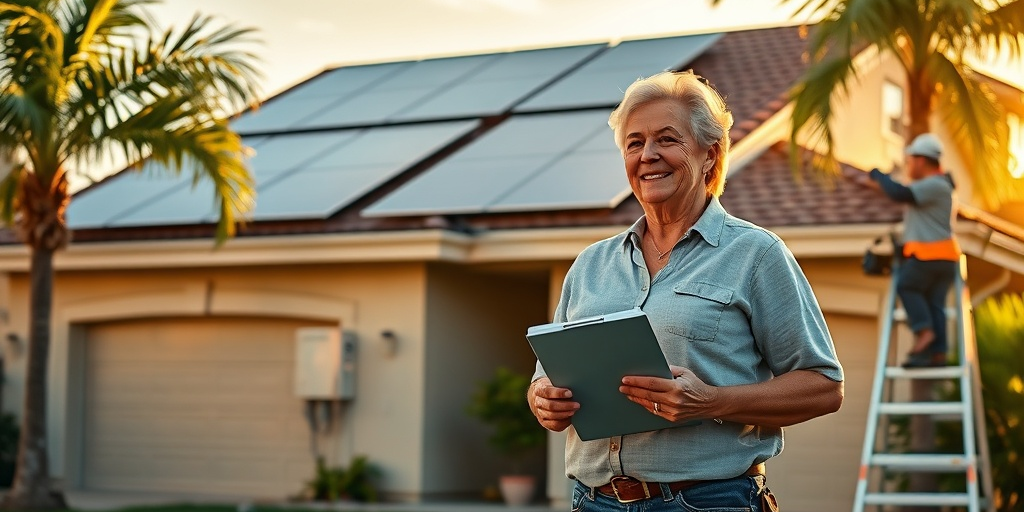
Imagine opening your electric bill and seeing an amount that leaves you breathless — not in a good way. In the sunshine state of Florida, energy costs have been on the rise, making homeowners cringe. As of 2025, Florida residents can take charge of their energy expenses by switching to solar power. Have you ever wondered how solar panel installation can transform your home while maximizing savings? In this comprehensive guide, titled What You Need to Know About Solar Panel Installation in Florida, we’ll walk you through everything you need to know about harnessing solar energy to reduce your electric bills and increase your home’s value.
In fact, households across Florida can save anywhere from $10,000 to $30,000 over 20 years by installing solar panels (EnergySage.com). Moreover, approximately 12% of Florida’s electricity will come from solar energy by 2025, according to the Florida Public Service Commission (PSC.gov). With these promising statistics underlining the urgency of transitioning to solar, now is the time for Florida homeowners to make informed decisions.
This blog not only educates but also empowers you, the reader, to take actionable steps toward adding solar energy to your home. We will cover five vital areas:
- Case Study that Resonates: A true-life story that encapsulates the benefits of solar power.
- Step-by-Step Checklist: Everything to consider before installation, from paperwork to panel positioning.
- Myth-Busting: Common misconceptions debunked with facts.
- Local Insights: Tailoring solar solutions to Florida’s unique climate and policies.
- Technical Deep-Dive: Understanding systems, technical aspects, and billing.
As we navigate this essential and timely topic, be prepared to unlock the potential of solar energy, and discover how to make the switch in 2025.
Unlocking the Savings: A Florida Homeowner’s Journey to Solar
Meet the Johnson family from Tampa, Florida. Like many Floridians, they felt the pinch of soaring energy bills. In 2023, they began exploring ways to boost their home’s energy efficiency in order to save money and help the environment. After conducting thorough research, they opted for solar panel installation. Their journey illustrates why this transition is crucial for homeowners in our region.
The Johnsons started with an in-depth assessment of their home’s energy needs. They found that their average electric bill hovered around $300 per month, which equated to an astounding $3,600 a year. After consulting with a reputable solar contractor, they were informed about potential savings and rebates available in Florida. They discovered they could claim a 26% federal solar tax credit in 2025, significantly easing installation costs (SEIA.org).
After a few weeks of planning and installation, the results were staggering. Their state-of-the-art solar panel system, which cost around $22,000, is more than capable of powering their entire home, thanks to the generous Florida sun. Within the first month post-installation, their electric bill dropped to a mere $50, leading them to a projected savings of $10,000 over the next decade, validating their decision.
The transition was not only financially beneficial but environmentally responsible. The Johnson family now enjoys peace of mind knowing they have reduced their carbon footprint as well. Their story is just one example of how going solar can transform not just a property, but the way residents in Florida think about energy.
Your Pre-Installation Checklist for Solar Panels
Planning for solar panel installation demands thorough preparation. Here are the critical steps you must take to make the transition smooth and effective:
- Step 1: Conduct an Energy Audit
- Step 2: Research Solar Providers
- Step 3: Understand Local Incentives
- Step 4: Choose the Right Solar System
- Step 5: Obtain Necessary Permits
Categorizing how much energy your household consumes helps identify the best solar system for your needs.
Shop around and find a trustworthy installer. Verify their experience and consult reviews from previous customers.
Look into state tax credits and potential rebates offered by your local utility companies to reduce installation costs.
Select the type of solar system based on your energy needs, be it grid-tied, off-grid, or hybrid systems.
Selecting a solar contractor often entails them handling the permits, but it’s good to verify that all paperwork is managed.
As you check these items off your list, ensure that your solar installer is registered with the relevant Florida authorities, like the Florida Department of Business and Professional Regulation. This will give you peace of mind that your investment is in safe hands. Find a reputable provider at floridaelectricandsolar.com.
Debunking the Myths Surrounding Solar Energy
For many homeowners, skepticism looms large around the idea of solar panel installation. To ease these concerns, let’s bust some common misconceptions:
- Myth #1: Solar Panels Aren’t Effective in Cloudy Weather.
- Myth #2: Solar Energy Systems Are Too Expensive.
- Myth #3: Solar Panels Require Too Much Maintenance.
- Myth #4: Solar Equipment is Inefficient.
- Myth #5: Homeowners Can’t Add Power Storage.
While Florida is famous for its sunny skies, it also experiences cloudy days. However, solar panels can still generate power in diffuse sunlight, making them effective even when the sun isn’t blazing. Research shows that modern solar panels can produce energy with only 20% sunlight exposure (NREL.gov).
Many people think solar is out of their budget, but with tax incentives and financing options, the initial costs can be significantly reduced. In most cases, residents find they can cover costs in less than 10 years from energy bill savings alone.
On the contrary, solar energy systems are incredibly low-maintenance. Regular cleaning and inspection are usually enough to keep systems operational. Many manufacturers offer warranties up to 25 years.
The efficiency of solar panels has dramatically improved over the last decade. The average efficiency rate is now around 18-22%, and new technologies are consistently introduced to raise that figure even higher (SEIA.org).
In fact, adding energy storage options, such as batteries, can provide solar users with continuous access to stored energy during non-daylight hours. The Tesla Powerwall is an example of effective home battery storage designed for this purpose.
It’s essential to arm yourself with knowledge and challenge these myths as you embark on your solar journey. Your skepticism may just be a barrier to enjoying the substantial benefits that solar energy can offer.
Why Florida’s Unique Landscape Matters in Solar Choices
Florida’s unique blend of sunny weather, regulatory policies, and a robust solar market creates an exceptional environment for solar energy. Understanding these regional specifics can make or break your solar investment.
According to recent data, Florida leads the nation in installed solar energy capacity, with over 5,500 MW of generated solar power (SolarEnergy.org). What does this mean for Florida homeowners? An obvious indication is the high Return on Investment (ROI) from solar power. Here are four reasons why Florida is an attractive location to install solar energy systems:
- Ideal Climate: The state enjoys abundant sunshine throughout the year, allowing solar panels to generate electricity effectively.
- Utilities Favor “Net Metering”: Under net metering policies, homeowners can sell excess energy back to the grid, thereby offsetting electricity costs significantly.
- Government Incentives: The state provides various incentives, including property tax exemptions, to encourage solar adoption.
- Growing Technology Ecosystem: With a growing number of solar providers, homeowners have the advantage of competition, ensuring they get the best services and prices available.
As you contemplate a solar system for your home, bear in mind these unique advantages that Florida consistently offers, propelling citizens toward renewable energy solutions in the coming years.
Understanding Your Solar Systems: A Technical Deep-Dive
The technical aspects of solar panel systems are crucial to making informed decisions. To appreciate how solar energy systems function, let’s break it down into key components:
- Solar Panels: Photovoltaic (PV) cells convert sunlight into electricity. They are the primary component of any solar energy system.
- Inverters: Solar panels produce Direct Current (DC), which must be converted to Alternating Current (AC) for home use. Grid-tie inverters are standard for on-grid systems, while off-grid systems use battery inverters.
- Batteries: Energy storage systems can hold excess solar energy for use during nighttime hours, providing flexibility and reliability.
- Monitoring Systems: These systems gauge the performance of your solar panels, alerting homeowners of any issues and ensuring optimal energy production.
When discussing solar energy pricing, it’s essential to address how billing practices shift after installation. Your monthly electric bill may radically change due to net metering — often leaving homeowners with a significantly reduced payment or even a credit during months of high energy production.
Take the time to understand each component, ensuring you choose what’s best for your unique situation. Each part plays a pivotal role in determining the effectiveness of your solar energy investment.
Next Steps for Florida Solar Buyers in 2025
As a Florida homeowner, you may feel overwhelmed at the prospect of switching to solar energy. Follow these actionable steps to make your transition smooth and efficient:
- Step 1: Audit Your Electric Bill
- Step 2: Research Available Incentives
- Step 3: Get Multiple Quotes
- Step 4: Understand Financing Options
- Step 5: Consult an Expert
Start by reviewing your past electricity bills. Understanding your average consumption helps gauge the size of your solar system needs.
Before making any decisions, look into federal, state, and local incentives that can assist with costs or offer long-term savings.
Solicit bids from multiple installers. Comparing proposals ensures that you understand pricing and financing structures, helping you to find the best deal.
Look at diverse financing strategies, such as solar loans or leases. These options can ease the burden of upfront costs dramatically.
Engage with certified professionals who can offer tailored advice for your unique circumstances by visiting floridaelectricandsolar.com.
By completing these steps, you’ll lay a solid foundation for a successful solar energy adoption that pairs economic benefits with environmental responsibility, securing a future that benefits your family and the planet.
Conclusion: Your Journey Towards Solar Energy
In summary, there is no better time than 2025 for Florida homeowners to invest in solar energy. From the Johnson family’s success story to actionable checklists, myth-busting, and a deeper understanding of local advantages, transitioning to solar power has numerous benefits that can dramatically improve your home life. This isn’t just about cutting electric bills – it’s about securing a stable energy future for you and your family, fostering sustainability, and boosting your property’s value.
As electric bills continue to rise and environmental concerns grow, solar power offers a beacon of hope and practicality. No longer are homeowners subject to the mercy of rising utility rates or grid instability. It’s time to take control. We hope this guide provided you with the essential knowledge to make an informed solar decision ahead of the new year.
Ready to start your solar journey in 2025? Connect with a certified expert at floridaelectricandsolar.com today.
Related Articles
More insights about Solar Panel

Florida Homeowners: Why Solar Panel Maintenance Is Essential

7 Essential Steps for Solar Panel Installation Success

Expert Insights: Key Factors Influencing Solar Panel Lifespan
Ready to Go Solar?
Have questions about solar energy? Our experts are here to help you make the switch to clean, renewable energy.