
Don’t Delay: Solar Panel Installation Risks You Must Avoid
Share:
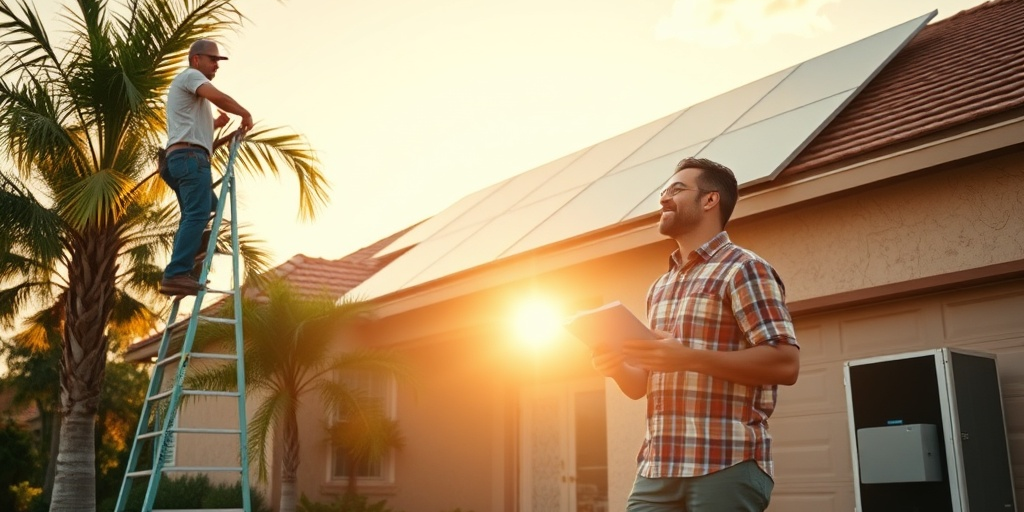
As Florida homeowners face rising energy costs, there’s never been a more pressing time to transition to renewable energy. By 2025, nearly 80% of homes across the United States will have implemented some form of solar power, an astonishing statistic that emphasizes the urgency of going solar. But as enticing as the prospect of saving on electric bills is, many fall prey to common pitfalls during installation that can jeopardize their investment. This leads us to today’s title: Don’t Delay: Solar Panel Installation Risks You Must Avoid. With the right knowledge, you can safeguard your solar investment and ensure an efficient installation process. A staggering 63% of homeowners are unaware of the intricacies involved in choosing the right solar company (SEIA.org), and nearly 54% regret not investing sooner, primarily due to unforeseen risks (SolarReviews.com). In a state like Florida, where hurricane season looms, understanding these solar panel installation risks in 2025 is crucial.
In this comprehensive guide, we will delve into the five essential sections to help you avoid these risks:
1. **A Deep Dive into Common Installation Risks** – Learn about the most frequent mistakes homeowners make.
2. **Critical Checklist for Successful Installations** – Arm yourself with actionable steps to mitigate risks.
3. **Debunking Myths** – Separate fact from fiction surrounding solar installations.
4. **Florida-Specific Considerations** – Understanding local regulations, incentives, and weather impact.
5. **Technical Insights** – Get an in-depth look at the technical aspects of solar energy systems.
By the end of this article, you will be empowered to make informed decisions about going solar in Florida without falling victim to common pitfalls.
Understanding the Common Risks of Solar Panel Installation
Every year, countless Florida homeowners aim to capitalize on the benefits of solar power, yet many don’t fully grasp the risks tied to installation. Common errors can result in reduced efficiency, increased costs, or worse—significant damage to your property. In one illustrative case, the Martine family of Orlando decided to go solar after seeing their neighbors cut their electric bills in half. Excited by the prospect, they rushed into a deal without doing proper research. Mere months after installation, a catastrophic storm struck, and the poorly installed panels detached from the roof, damaging their home and voiding their warranty. This cautionary tale exemplifies how mistakes rooted in haste can lead to severe consequences.
To illustrate the gravity of these points, here’s a checklist of common installation risks to avoid:
- Choosing an Unqualified Installer: Many homeowners settle for less-than-reputable contractors due to cost miscalculations. Ensure your installer has necessary credentials and a solid track record.
- Poorly Positioned Panels: The placement of panels is crucial for optimal energy absorption. Improper angles can lead to insufficient sunlight capture.
- Energy Inadequacies: An inadequate understanding of your energy needs may lead to purchasing insufficient systems, ultimately exposing you to high costs down the line.
- Ignoring Local Weather Effects: Florida’s weather patterns can be unpredictable. Ensuring your solar installation is resilient against harsh conditions is essential.
- Underestimating Maintenance: Many overlook the importance of routine checks post-installation, which are key to maintaining efficiency.
Debunking myths surrounding these points is imperative for further clarity. For instance, a prevalent misconception is that all solar panels are the same in quality and durability. The reality is that materials, brand, and technology can significantly impact lifespan and efficiency. High-quality panels can last upwards of 25 years while cheaper alternatives may fail within a decade. Furthermore, understanding local laws about solar installations can help avoid fines down the line.
Equipped with knowledge about common installation risks can steer you towards a winning strategy; don’t allow hasty decisions to jeopardize your investment! To capitalize on the solar investment for Florida homeowners, understanding the special context of the region can make all the difference.
Your Essential Checklist for a Successful Solar Panel Installation
When planning your solar panel installation, a thorough checklist ensures that no details are left unchecked. Here are five crucial steps, each with actionable details:
- Step 1: Audit Your Current Energy Usage: Begin by analyzing your past electric bills to understand your energy consumption habits. What are peak usage times? Are there days when your bills spike? Your installer needs this information to tailor a system that meets your needs.
- Step 2: Research and Verify Your Installer: Do thorough research on potential solar companies. Check for licenses, certifications, and customer reviews. At floridaelectricandsolar.com, we offer data-backed analyses of installers to streamline your decision-making process.
- Step 3: Explore Financial Options: Financing your solar installations can bring unexpected challenges. Look for state incentives, rebates, and tax benefits tailored for Floridians, ensuring you maximize savings without hidden costs (Energy.gov).
- Step 4: Plan for Weather Resilience: Assess your property’s geographical challenges. Ensure your panels can withstand hurricanes and severe storms—Florida has unique weather patterns that necessitate durable installations.
- Step 5: Adopt a Maintenance Schedule: Post-installation, a maintenance schedule is crucial to ensure panels operate at peak efficiency. Neglected panels can see significant drops in energy performance, directly affecting your savings.
Finally, it’s beneficial to connect with professionals who can provide insights throughout the installation process. The right support can help mitigate potential risks and foster optimal performance.
Debunking Common Myths About Solar Panel Installations
First things first: understanding the myths surrounding solar power can ensure that you make educated choices about your investment. Here are five common misbeliefs that can lead homeowners astray:
- Myth #1: Solar Panels Will Always Get Damaged in Severe Weather: While storms are indeed a concern, many modern solar panels are built to withstand extreme conditions, including hail and high winds. Selecting the correct products can prevent potential damage.
- Myth #2: All Solar is Expensive: The initial investment can seem high, but state incentives and long-term savings on electric bills often outweigh upfront costs, ultimately making solar power a financially sound choice.
- Myth #3: Once Installed, They Don’t Need Maintenance: Many neglect maintenance, leading to declining energy efficiency. Regular maintenance is key to longevity.
- Myth #4: Solar Panels Are Ineffective in Florida’s Humidity: Contrary to popular belief, humidity does not significantly impede solar panel efficiency. Instead, sunny days in Florida make it an ideal location for solar power generation.
- Myth #5: Installing Solar Panels is Complicated: With an experienced installer, the process can be straightforward. Focus on the right company to handle all the logistics and paperwork for you.
By dispelling these myths, homeowners can make informed decisions and stand to benefit significantly from their solar investments.
Florida-Specific Insights for Solar Success
Florida is known as the Sunshine State for a reason: It ranks among the top states for solar generation potential. However, despite its advantages, specific local contexts can pose unique risks. Here’s a four-point guide to navigating Florida’s solar landscape:
- State Incentives: Investigate what financial incentives are available in your area. Programs often evolve, making it crucial to stay informed to maximize savings (SEIA.org).
- Hurricane Preparedness: With annually looming hurricane seasons, ensure you solicit guidance on securing panel installations against severe winds and storm debris matters.
- Community Solar Programs: Florida is increasingly adopting community solar options, allowing homeowners to benefit even if their properties aren’t well suited for solar (DSIREUSA.org).
- Net Metering Policies: Understanding how net metering works in your area can help you assess how to recover costs by receiving credit for surplus energy sent back to the grid.
These considerations, coupled with reliable solar companies in your area, can ensure that your solar installation is seamless and beneficial ahead of the 2025 wave.
Your Action Plan: How to Initiate Your Solar Journey in 2025
Getting started with solar power shouldn’t feel daunting. Here’s a practical action plan for every Florida homeowner eyeing solar energy in 2025:
- Step 1: Audit Your Electric Bill: Examine past bills to understand monthly usage patterns and identify what kind of solar capacity you’ll need to generate sufficient energy.
- Step 2: Research Solar Providers: Take time to evaluate local solar companies. Look for reviews and check their records with the Better Business Bureau.
- Step 3: Schedule Consultations: After identifying a shortlist of providers, schedule consultations to gain customized solutions based on your specific needs.
- Step 4: Compare Financial Options: Dive into financial options, grants, and local incentives available to assist with reducing the cost burden (DSIREUSA.org).
- Step 5: Commit to Maintenance: Follow a monthly or quarterly maintenance schedule to maximize longevity and efficiency of your solar installation.
Following these steps will pave the way for a smooth transition and help optimize your solar energy journey toward attaining energy independence.
In summary, having a comprehensive guide helps you avoid pitfalls when installing solar panels. With the right knowledge and preparation, you can avert risks that may trouble inexperienced homeowners. The urgency to transition to solar power has never been more evident due to rising energy prices and environmental considerations. This isn’t just a decision about energy; it’s about the financial security of your family and the sustainability of Florida’s future. Making the switch isn’t merely a matter of choice; it’s an obligation to yourself and future generations for cleaner, responsible energy use.
Ready to start your solar journey in 2025? Connect with a certified expert at floridaelectricandsolar.com today.
Related Articles
More insights about Solar Panel

Florida Homeowners: Why Solar Panel Maintenance Is Essential

7 Essential Steps for Solar Panel Installation Success

Expert Insights: Key Factors Influencing Solar Panel Lifespan
Ready to Go Solar?
Have questions about solar energy? Our experts are here to help you make the switch to clean, renewable energy.