
Is Solar Panel Installation Worth the Investment for Homeowners?
Share:
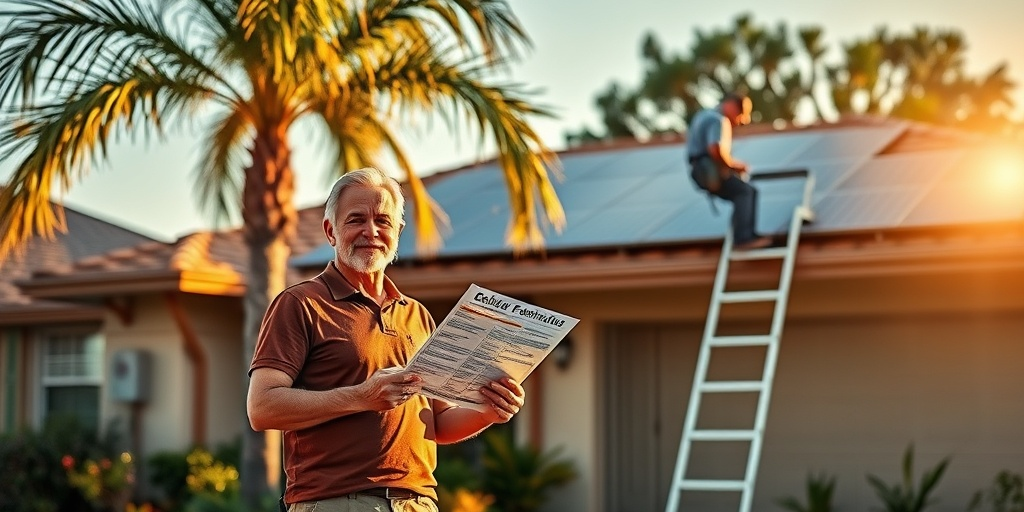
In a world where energy costs are on the rise, investing in renewable energy has never been more pressing. According to the Solar Energy Industries Association (SEIA), Florida ranks among the top states in solar installations, with over 10 gigawatts of solar capacity installed as of 2023. With financial incentives proliferating and a push toward cleaner energy, homeowners are left asking, “Is Solar Panel Installation Worth the Investment for Homeowners?” With installation prices having dropped nearly 50% in the last decade (Energy.gov), the decision to go solar in 2025 could set Florida homeowners up for a lifetime of savings and sustainability.
This topic is vital this year as energy prices are expected to continue increasing due to global supply challenges and climate-related regulations. Moreover, the federal solar tax credit, which allows homeowners to deduct a significant percentage of their solar panel costs from their federal taxes, is set to reduce in the coming years. The urgency to act is palpable, making this decision not just a financial one, but a moral imperative. As you navigate through this post, you’ll explore five key areas: a deep-dive into real-life implications, a definitive checklist to guide your investment, myths debunked for clarity, localized insights tailored to Florida, and an in-depth look at the technology behind solar systems.
Understanding the Real Value of Solar Panel Installation for Homeowners
Let’s start with a case study that puts everything into perspective. Meet Lisa, a 45-year-old homeowner in Sarasota, Florida. Faced with utility bills averaging $200 per month, Lisa decided to look into the feasibility of solar panels after hearing from neighbors about their remarkable reductions in energy costs. After some research and consultation, she discovered that solar installations not only significantly lower her utility bills but could also add value to her home. With an initial investment of $15,000 after applying the federal solar tax credit, she sourced estimates showing potential savings of $1,800 per year. In only eight and a half years, Lisa found that her investment would pay for itself, leading to years of net savings beyond that point. This made the decision to invest in solar power a financially sound one for her household.
Follow her journey through an actionable checklist that helps navigate your decision-making process:
- Step 1: Determine Your Energy Needs
Assess your current energy consumption by reviewing utility bills for the last year. Understanding your baseline will help you determine the ideal system size for your needs. - Step 2: Research Local Incentives
Florida’s statewide incentives can significantly lower your upfront costs. Ensure you check for available rebates or local programs to maximize your savings. - Step 3: Choose the Right Installers
Look for licensed solar installers in Florida with a solid reputation and customer reviews to validate their service quality. Remember, an experienced installer will minimize future issues. - Step 4: Understand Payment Options
Will you be purchasing the system outright, leasing, or opting for a Power Purchase Agreement (PPA)? Each method has its own benefits and drawbacks that fit different financial situations. - Step 5: Evaluate Long-Term Maintenance and Responsiveness
Inquire about warranties and post-installation support. Ensure your installer provides clarity on the maintenance needed to keep the system running efficiently.
Despite the evident financial benefits, several myths surround solar energy installation that can cloud homeowners’ decisions. Allow us to dispel a few:
- Myth #1: Solar Panels Are Too Expensive
Many homeowners believe the high upfront cost is prohibitive. However, costs have plummeted and financing options, combined with federal and state incentives, can greatly offset these expenses. - Myth #2: Solar Works Only in Specific Regions
Florida boasts significant sunlight year-round, making it one of the best states for solar investments. In fact, the state ranks second in the nation for solar installations, proving that solar energy can work efficiently nearly anywhere. - Myth #3: Solar Panels Are Not Worth It If You Sell Your Home
Research shows that homes equipped with solar energy systems sell for about 4.1% more than their non-solar counterparts. A solar installation can significantly boost your property’s resale value. - Myth #4: Solar Panels Require Constant Maintenance
While maintenance is essential, solar panels are designed to be low-maintenance. Typically, just an annual inspection and cleaning are required to maintain efficiency, making them a hassle-free energy source. - Myth #5: Solar Power Only Works During the Day
Although solar panels generate power from sunlight, advancements have introduced battery storage systems that keep your home powered even at night, maximizing energy usage.
With these myths debunked, homeowners can focus on tailored insights connected to Florida’s solar landscape. Floridians benefit not just from the sun, but from legislative and policy advantages. The state’s net metering policy allows homeowners to sell excess energy back to the grid, enabling them to receive credits on their electricity bills. Additionally, the Florida Solar Energy System Incentives provide lucrative rebates, enhancing the overall value of solar investments.
Technically, when diving into the details of a solar panel installation, there are several components that homeowners must address:
- Solar Panels: Choose between different panel types such as monocrystalline, polycrystalline, and thin-film. Each has unique efficiencies and lifetimes affecting overall energy production.
- Inverters: These devices convert the direct current (DC) from the panels into usable alternating current (AC) for home appliances. Upgrading to a micro-inverter system can enhance performance.
- Battery Storage: This allows for energy captured during the day to be stored and used during high-demand periods. It’s crucial for providing power during outages or non-sunlight hours.
- Batteries vs. No Batteries: Evaluating whether to include energy storage can dramatically impact the upfront costs versus long-term savings and efficiency—consider local policies on battery systems as well.
To wrap up this section, remember that understanding these details and localized financial incentives is imperative for making an educated decision on solar power. This will serve both your immediate needs as a homeowner and your long-term goals in sustainability.
The Bright Future for Florida Homeowners Considering Solar Energy
As you make the decision to switch to solar, let’s provide additional insights into the financial landscape surrounding solar. You’re not just investing in a trend; rather, you’re future-proofing your home against rising energy costs and potential climate impacts. Below is a cohesive outline of the major financial advantages.
- Reduced Utility Bills: Expect up to a 50% reduction in monthly energy expenses, translating to substantial annual savings.
- Increase in Home Equity: Homeowners have reported an average increase of $15,000 in home value upon the installation of solar panels.
- Tax Incentives: Federal flashing tax credits allow you to reclaim a percentage of your investment, representing significant short-term benefits and making installation feasible for more homeowners.
- Low Maintenance Costs: Typically, solar systems require minimal upkeep, thus keeping hidden costs at bay.
- Environmental Impact: Making the switch reduces carbon footprint significantly, contributing to a sustainable future for generations to come.
Florida also stands tall with public service initiatives aiming to expand solar energy access, making it easier than ever to get involved in this movement. Take, for example, the Florida Sunshine Law, allowing tax exemptions for solar installations, empowering both homeowners and businesses to invest confidently. Some reports indicate states like Florida could reach 100% renewable energy by 2050, further emphasizing the need for early adoption today (NREL.gov).
On the technical side, consider options like community solar programs that might allow you to invest in solar power without needing to install panels directly on your property. This is especially useful in scenarios where roofs are less than ideal or shaded.
Actionable Steps For Florida Solar Buyers in 2025
Now that we’ve laid a foundation, let’s summarize next steps as you prepare to turn your solar aspirations into action. Follow this clear action plan tailored specifically for Florida homeowners:
- Step 1: Review your Electric Bill
Analyze your monthly consumption and gather data from at least the past 12 months to determine your average usage and costs. - Step 2: Research Local Installers
Compile a list of Florida-based installers with excellent reputations. Transparent pricing and positive customer feedback are critical checks here. - Step 3: Schedule an Energy Audit
Invite an energy consultant to evaluate your home’s capacity for solar panels, determining optimum placement, battery inclusion, and potential output. - Step 4: Investigate Financial Programs
Look into financing options, such as federal tax credits, local grants, or specialty loans, aimed at easing the cost of your new system. - Step 5: Finalize Your Purchase
After comparing quotes and services, pick your preferred installer and schedule the installation—momentum is vital to starting your sustainable energy journey!
By taking these steps, you’re setting the groundwork for a smoother transition into solar energy, assuring both savings and sustainability for years to come.
Conclusion: Your Solar Journey Awaits
The decision to invest in solar energy is groundwork for a sustainable future, serving not just your wallet but also the health of our planet. As we’ve explored through Lisa’s journey, you can achieve substantial cost savings and bolster your home’s value through wise investments like solar panels. With the right information, local incentives, and promising technology paving the way for success, you are in an incredible position to leverage solar energy to your advantage.
So why wait? The energy market is in flux, and the benefits of solar are increasingly apparent. In 2025, the landscape is ripe for informed Florida homeowners to navigate these opportunities. Protect your financial future, enhance your property value, and take a stand for the environment. Ready to start your solar journey in 2025? Connect with a certified expert at floridaelectricandsolar.com today.
Related Articles
More insights about Solar Panel

Florida Homeowners: Why Solar Panel Maintenance Is Essential

7 Essential Steps for Solar Panel Installation Success

Expert Insights: Key Factors Influencing Solar Panel Lifespan
Ready to Go Solar?
Have questions about solar energy? Our experts are here to help you make the switch to clean, renewable energy.