
Essential Tips for Solar Panel Maintenance from Industry Experts
Share:
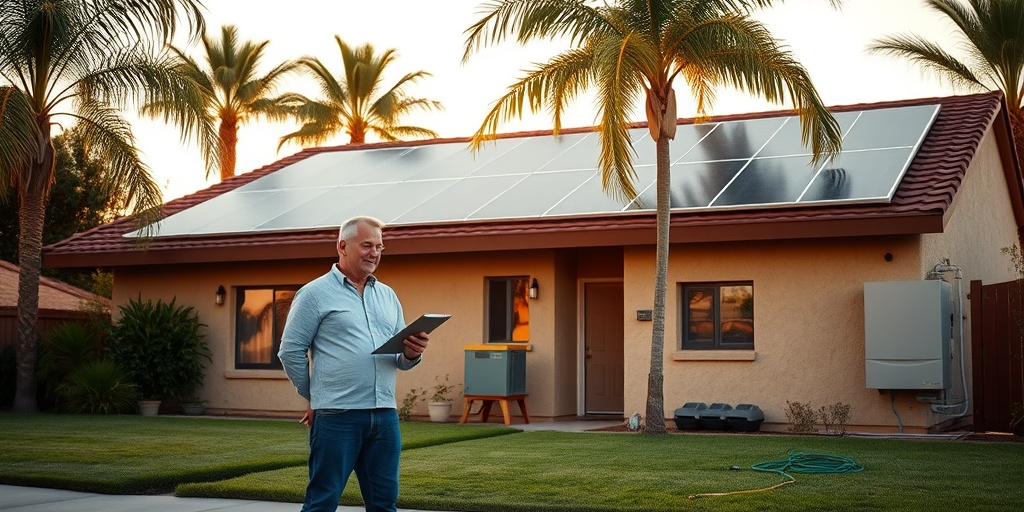
As climate change continues to disrupt traditional energy sources, more Florida homeowners are embracing the solar revolution. Did you know that solar power installations in Florida grew by 43% in 2022 alone (SEIA.org)? Or that over 600,000 homes in the state now utilize solar energy? With record-high energy costs looming in 2025, maintaining your solar panels will become more essential than ever. Investing in the best practices for upkeep can significantly enhance your solar panel lifespan and performance, ensuring you maximize your investment. With our article titled Essential Tips for Solar Panel Maintenance from Industry Experts, we will guide you through crucial maintenance tips, empowering you to take control of your energy future.
As we step into 2025, a year filled with new solar incentives and potentially unstable energy prices, the need for reliable solar maintenance cannot be overstated. An investment in solar energy not only provides financial savings but also fosters a sustainable future for generations to come. In this piece, we’ll explore five pivotal sections to aid your understanding of solar panel maintenance:
- The importance of regular maintenance
- A comprehensive maintenance checklist
- Common solar panel myths debunked
- Florida-specific practices for optimal maintenance
- A technical exploration of how solar systems function
By implementing these expert tips, you’ll ensure your solar panels operate at peak efficiency, allowing you to enjoy pristine energy independence. Let’s get started!
Understanding the Importance of Regular Maintenance
Imagine a cozy Florida home, bathed in sunlight, where the family enjoys a steady supply of clean energy. This family, the Garcias, decided to install solar panels three years ago, making a conscious effort to protect the environment while saving money on their electric bills. However, the Garcias quickly realized that regular maintenance was key to maximizing their system’s performance and lifespan.
Much like a car needs regular servicing to run smoothly, solar panels require care and attention to function optimally. Without proper maintenance, dirt, debris, and even minor malfunctions can significantly reduce energy production. The National Renewable Energy Laboratory (NREL) reports that efficient maintenance can increase energy output by 10-30% (NREL.gov). This boost not only enhances savings but also prolongs battery life, enabling you to harness the sun’s power effectively.
Let’s break down vital maintenance steps that homeowners can easily follow.
- Regular Cleaning: Solar panels can accumulate dust, pollen, and bird droppings, affecting their performance. Schedule biannual cleanings to maximize their efficiency, especially after heavy storms or pollen seasons.
- Visual Inspections: Check your panels regularly for visible signs of damage, such as cracks or loose wiring. If you notice anything unusual, contact a professional immediately.
- Monitor System Performance: Keep an eye on energy production levels via your inverter. If you notice a significant drop, it could signify an issue that needs addressing.
- Professional Check-ups: Just like your car needs a mechanic for a thorough check-up, your solar system can benefit from yearly professional inspections. Industry experts can spot issues that may go unnoticed.
- Check your Warranty: Familiarize yourself with your warranty to understand the specifics regarding maintenance and repairs. Most solar panels come with a 25-year warranty; knowing the details can safeguard your investment.
Remember, proactive maintenance goes a long way in enhancing your solar panel longevity and operational efficiency.
Creating Your Solar Panel Maintenance Checklist
Establishing a comprehensive maintenance checklist is essential for ensuring that your solar energy system operates efficiently. With this list, you’ll maximize the performance of your solar investment and ensure that your system is in top shape year-round.
- Step 1: Inspect Your Panels Monthly – Examine the panels for dirt buildup or any debris that may obstruct sunlight.
- Step 2: Clean If Necessary – If you notice excessive dirt, use a soft cloth and hose to clean your panels.
- Step 3: Evaluate Your Inverter Readings – Ensure that your inverter is functioning correctly, checking for any error messages that should be addressed promptly.
- Step 4: Review Energy Bills – Regularly compare your energy bills to see if there are any unexplained increases, which can signal a problem with your solar system.
- Step 5: Schedule Professional Inspections – At least once a year, hire a solar technician to conduct a thorough inspection of the entire system, including connections, wiring, and battery systems.
By following this checklist, you’ll remain proactive in your maintenance strategy, guiding the critical upkeep of your solar panels.
Debunking Common Solar Panel Myths
With the rise of solar power, misinformation can cloud the decision-making process for potential users. Let’s clear the air by addressing some widespread myths regarding solar panel maintenance.
Myth #1: Solar Panels Don’t Need Maintenance
Contrary to popular belief, solar panels require regular attention to operate efficiently. Dust accumulation can hinder energy production, and neglecting maintenance can result in costly damages. Consistent care ensures optimal performance.
Myth #2: Rain is Enough to Clean Solar Panels
While rain can help wash away some dust, it’s not a substitute for a thorough cleaning. Especially in Florida, where humidity can lead to algae and debris buildup, scheduled cleaning is advisable.
Myth #3: Solar Panels Last Forever
Even though solar panels are durable, they aren’t immortal. With proper maintenance, panels can last up to 25 years, but components such as inverters typically have a shorter lifespan—around 10-15 years—requiring eventual replacement.
Myth #4: Solar Energy is Not Cost-Effective
When you account for federal incentives and the long-term savings on electric bills, solar energy becomes a wise financial investment. With technology advancements, the upfront costs of solar have significantly reduced in recent years.
Myth #5: Solar Panels Are Only Effective in Sunny States
While Florida’s sunshine makes it an ideal location for solar power, advances in technology allow panels to produce energy even in cloudy conditions. The idea that solar power is only effective in sunny regions is misleading!
Florida-Specific Practices for Optimal Maintenance
In Florida, regional factors must be considered to ensure your solar panels remain functional and efficient. Florida’s unique environment, characterized by humidity and hurricanes, poses specific challenges that necessitate tailored maintenance practices.
- High Humidity Considerations: Florida’s humidity can lead to mold and algae growth on solar panels. Regular cleaning is vital in preventing these issues, ensuring efficient energy production.
- Hurricane Preparedness: Seasonal hurricanes can impact your solar panels. Before hurricane season, inspect the mounting systems and secure them to withstand high winds. Following a hurricane, assess your panels for any potential damages.
- Local Insect Interventions: Florida is home to various insects that can obstruct solar efficiency. Regular inspections can help identify nests or debris that need removal.
- Integrating Local Expertise: Work with local solar companies who understand Florida’s weather patterns and can provide tailored advice. For instance, consult a professional from floridaelectricandsolar.com for insights on the specific needs of your system.
Addressing regional factors proactively ensures that your solar investment remains untouched by Florida’s unique weather challenges.
A Technical Exploration of How Solar Systems Function
Understanding the technicalities of solar energy systems will not only help you appreciate their inner workings but also guide you in maintaining them effectively. Solar energy systems typically comprise three key components: solar panels, inverters, and battery storage.
- Solar Panels: These photovoltaic cells convert sunlight into direct current (DC) electricity. Regular inspection of the panels can help maintain their capacity for energy conversion.
- Inverters: Inverters are essential for converting DC electricity into alternating current (AC), making it usable for household appliances. Regular monitoring of your inverters helps catch any performance issues.
- Battery Storage: While not all systems incorporate batteries, they can store excess energy for times when sunlight is scarce. Maintenance of battery systems involves checking connections and levels regularly to prevent efficiency loss.
With ongoing advancements in solar technology, understanding these components will empower homeowners to participate actively in their solar energy maintenance.
Next Steps for Florida Solar Buyers in 2025
As you embark on your solar journey in 2025, knowing the next actionable steps will enhance your experience and maximize your investment. Below is a checklist to guide you:
- Step 1: Audit Your Electric Bill – Review your electric bills for patterns, expense growth, and areas where solar can save you money.
- Step 2: Understand Incentives – Research available tax credits, rebates, and net metering options that could benefit you financially.
- Step 3: Contact Professionals – Reach out to reputable solar energy companies, like floridaelectricandsolar.com, for customized solar solutions based on your energy needs.
- Step 4: Conduct a Site Assessment – A professional assessment is crucial for determining the best panel placement and system sizing for optimal energy production.
- Step 5: Stay Informed – Regularly review developments in solar technology and policy changes to remain at the forefront of solar energy utilization.
Taking these steps will ensure you’re well-prepared to transition to solar energy, empowering you to own your power and reduce reliance on traditional energy sources.
In conclusion, maintaining your solar panels is not merely an option; it’s a necessity. By investing in proper care techniques, debunking common myths, and understanding the technical components of your solar system, you can significantly enhance its performance and lifespan. With energy prices expected to rise, now is the time to maximize the return on your solar investment. By integrating the steps discussed throughout this article, Florida homeowners can take control of their energy future while contributing to a sustainable world.
Ready to start your solar journey in 2025? Connect with a certified expert at floridaelectricandsolar.com today!
Related Articles
More insights about Solar Panel

Florida Homeowners: Why Solar Panel Maintenance Is Essential

7 Essential Steps for Solar Panel Installation Success

Expert Insights: Key Factors Influencing Solar Panel Lifespan
Ready to Go Solar?
Have questions about solar energy? Our experts are here to help you make the switch to clean, renewable energy.