
What Are Solar Scams and How to Avoid Them
Share:
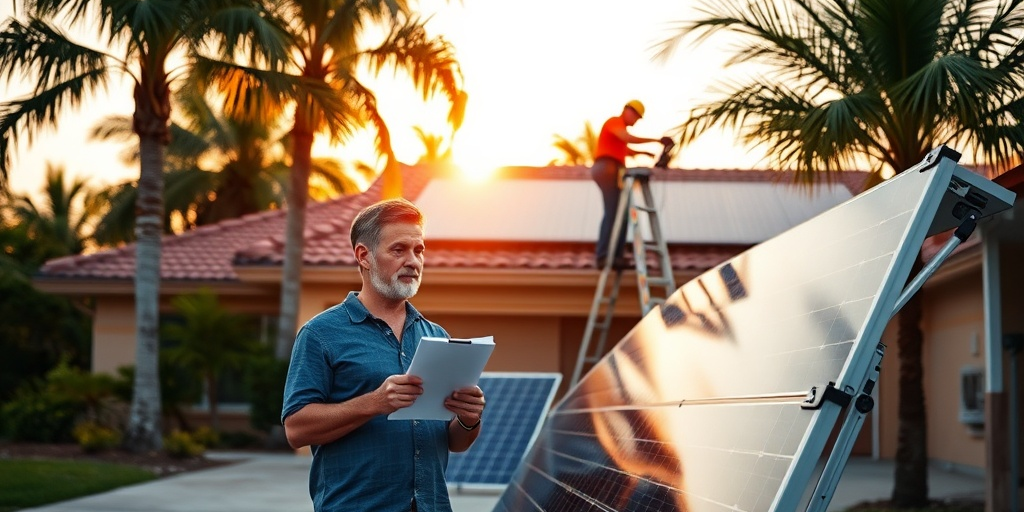
Imagine discovering the alluring promise of solar energy, only to find yourself ensnared in a web of deceit. Are you aware that nearly 20% of homeowners fall victim to scams related to renewable energy? As Florida shifts towards a greener future, the importance of understanding the dark underbelly of solar scams has never been more urgent. In this comprehensive guide titled What Are Solar Scams and How to Avoid Them, we will arm you with the knowledge needed to protect your investment and savings in 2025. With the rising costs of traditional energy sources and the advent of new solar incentives, becoming a self-informed consumer is essential. In 2023, the solar market expanded by 35%, making it a ripe target for unscrupulous players eager to exploit your desire for energy independence (SolarEnergyIndustries.org). Furthermore, Florida is one of the top U.S. states for solar potential, so understanding the landscape is vital (FloridaSolar.org). In this article, we’ll explore:
- Section 1: A deep dive into the realities of solar scams, filled with case studies and actionable checklists.
- Section 2: Addressing popular myths to help you recognize deceitful tactics.
- Section 3: Best practices for ensuring a successful solar installation.
- Section 4: A narrative illustrating the perils of scams through a fictional homeowner’s journey.
- Section 5: A step-by-step action plan tailored for Florida homeowners in 2025.
Stay with us as we navigate the electrifying yet treacherous path of solar energy.
Understanding Solar Scams: What You Need to Know
Every day, the quest for clean and affordable energy leads countless Floridians toward the solar market, but lurking beneath the surface are scams that aim to strip you of your hard-earned money. A staggering number of claims regarding “too-good-to-be-true” savings often lead to heartbreak and financial distress. Imagine this: A family in Orlando fell prey to a solar contractor who promised a savings plan that never materialized, resulting in them paying thousands upfront for faulty equipment and nonexistent services. Cases like this serve as a reminder about the risks associated with adopting renewable energy.
- Step 1: Research thoroughly. Always check for licensed contractors through resources like the Florida Department of Business and Professional Regulation.
- Step 2: Get multiple quotes from different installers to understand the competitive pricing in your area.
- Step 3: Check reviews and customer testimonials on platforms like SolarReviews.com to gauge the reliability of a contractor.
- Step 4: Look for financing options that don’t require upfront costs unless you’re confident with the company.
- Step 5: Consult industry experts or trusted resources, such as floridaelectricandsolar.com, for clarity on solar products and installation practices.
Among the misconceptions that haunt potential solar buyers is the myth that all solar panels are equal. In reality, factors such as efficiency, warranty, and installation are crucial. High-quality panels transform sunlight into electricity more efficiently than their lower-quality counterparts (Energy.gov). Choosing the wrong panel could lead to frustrations ranging from unfulfilled savings to frequent repairs.
Dispelling Myths: What’s Real and What’s Not?
The solar market is plagued by misinformation, which can lead to poor decisions. Let’s break down the most common myths surrounding solar energy to help you navigate this landscape more effectively.
- Myth #1: “If one solar panel is good, more panels are better.” Truth: It’s essential to consider both quality and quantity, as inefficient panels can underperform.
- Myth #2: “Solar energy is too expensive.” Truth: With state incentives and financing options, many homeowners find solar installations more affordable than ever (SolarReviews.com).
- Myth #3: “You don’t need a battery if you have solar panels.” Truth: Batteries allow you to store energy for nighttime use or outages, achieving genuine energy independence.
- Myth #4: “Solar panels require constant maintenance.” Truth: Generally, they are self-sustaining, needing just occasional cleaning and inspections.
- Myth #5: “Solar companies won’t honor warranties.” Truth: Most reputable companies have robust warranties that protect your investment (NREL.gov).
Now, let’s pivot towards understanding Florida’s unique market landscape. With a dramatic 250% growth in solar initiatives since 2019 and approximately 300 days of sunshine per year, it’s no wonder more Floridians are investing in solar energy (FloridaSolar.org). However, this explosive growth also means a higher likelihood of scam operations. It is crucial to be aware of red flags, such as employees pressuring you for instant decisions or companies that require full payment upfront without financing options.
5 Expert Solar Installation Tips for 2025
Transitioning to solar power can be a complicated process, but these expert tips will put you on the fast track toward realizing your energy independence. If you desire to cut electric bills and maximize your savings, pay attention to the following guidelines.
- 1. Don’t skimp on panel placement: The location of solar panels impacts their efficiency. Ensure they are installed where they receive optimal sunlight throughout the day.
- 2. Pick a trusted installer: Choose installers with proven track records, licensing, and insurance to protect your investment.
- 3. Examine warranties in detail: Look for warranties that cover both the equipment and installation for at least 25 years to secure your interests.
- 4. Stay informed on incentives: Familiarize yourself with the latest federal and state incentives as well as local rebates. These can significantly offset your startup costs.
- 5. Don’t go it alone: Collaborate with energy experts for an audit of your energy usage before installation. Their insights into your consumption patterns could save you thousands in the long run.
Additionally, remember that Florida leads the nation with various solar-specific programs designed for homeowners looking to capitalize on renewable energy. These initiatives equip you with tools to sustainably generate energy, such as net metering policies that allow you to be paid for extra electricity produced (SEIA.org).
Florida Homeowner’s Journey: A Cautionary Tale
To better illustrate the pitfalls of solar scams, let’s pivot to a narrative that epitomizes the reality many encounter. Meet Maria, a single mother living in Tampa. Motivated by rising energy bills, Maria decided to invest in solar panels. After seeing aggressive online ads claiming “free installations” and “guaranteed savings,” she jumped at an offer. As the crew arrived for installation, she felt an adrenaline rush—finally, she would own her electricity! However, just weeks after the installation, she noticed that the savings were significantly lower than promised. The inverter malfunctioned, and numerous calls to the installer went unanswered. Ultimately, she had to invest additional funds to replace faulty equipment that was under warranty but hard to claim.As is often the case, unclear terms and conditions caught her off guard.
- Lesson #1: Always read contracts in full before signing.
- Lesson #2: Research local regulations to understand your rights as a consumer.
- Lesson #3: Look for transparent communication from installers regarding their products and service.
- Lesson #4: Don’t hesitate to walk away from deals that sound too good to be true.
Had Maria been informed about reputable contractors and the red flags of shady practices, she may have avoided her costly misstep. Today, she advocates for consumer awareness within her community, emphasizing the importance of education before making significant financial decisions.
Next Steps for Florida Solar Buyers in 2025
Now that you’ve gathered vital insights, it’s time to formulate an action plan to safeguard your investment against potential frauds. Here are the immediate steps you need to take as you consider transitioning to solar energy.
- Step 1: Audit your electric bill to determine your energy usage and to calculate potential savings.
- Step 2: Research providers using verified sources and collect multiple bids to weigh your offers prudently.
- Step 3: Organize a consultation with a local expert at floridaelectricandsolar.com for a general overview of your solar potential based on current market conditions.
- Step 4: Understand the tax incentives available in Florida and how they can benefit your solar investment.
- Step 5: Stay engaged with community forums to share experiences and learn from fellow solar adopters.
Creating your solar journey can feel overwhelming, but by following these direct steps, you’ll find it easier to navigate toward success. Empower yourself with knowledge, vigilance, and the right partnerships, and you’ll establish a solid foundation for your investment.
As we conclude our comprehensive exploration of What Are Solar Scams and How to Avoid Them, always remember the importance of thorough research, informed decision-making, and partnership with credible professionals. The future of energy is bright, but only for those willing to illuminate their path. By arming yourself with the right information and checks, you can sidestep the dangers lurking in the solar market. Don’t let a scam compromise your journey towards energy independence.
Ready to start your solar journey in 2025? Connect with a certified expert at floridaelectricandsolar.com today.
Related Articles
More insights about Solar Scams

Warning: Don’t Overlook These Solar Scams to Avoid

Don’t Miss This Critical Alert About Solar Scams

Don’t Ignore These Critical Solar Scams to Avoid
Ready to Go Solar?
Have questions about solar energy? Our experts are here to help you make the switch to clean, renewable energy.