
A Technical Breakdown of Solar Panel Lifespan and Maintenance
Share:
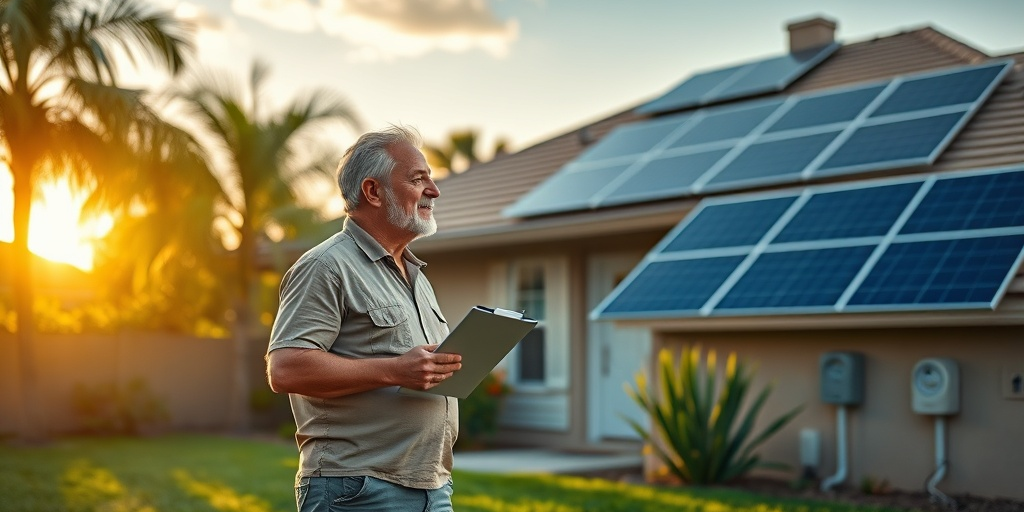
Did you know that the average solar panel can last anywhere from 25 to 30 years? As we head into 2025, understanding how long solar panels last and how to maintain them is more critical than ever for Florida homeowners seeking to reduce energy costs and enhance home sustainability. In our article, A Technical Breakdown of Solar Panel Lifespan and Maintenance, we will explore essential insights that can help you make informed decisions as moving toward solar energy becomes increasingly popular. Recognizing that over 75% of Florida residents report their interest in solar is high due to rising energy costs (SEIA.org), it’s evident that the time to act is now. Moreover, with state incentives available for solar installation, there’s never been a better moment to invest in solar technology. Stay tuned as we delve into five captivating sections, where we will explore case studies, actionable checklists, myth-busting facts, local insights, and a technical deep dive into solar technology specific to Florida.
Understanding Solar Panel Lifespan and Maintenance Requirements
The lifespan of a solar panel is often defined by its efficiency and performance over the years. Most solar panels are designed to maintain at least 80% of their efficiency for up to 25 years. That means a properly installed and well-maintained solar system can continue producing renewable energy well beyond that initial period. A case study of a homeowner in Tampa exemplifies this point: after installing solar panels in 2010, they have seen significant energy savings, with their system still performing at optimal capacity 15 years later. Such stories are more common than ever, reflecting both the quality of panels available on the market and the meticulous care these homeowners have provided.
To ensure the longevity of solar panels, routine maintenance is essential. Homeowners in Florida should consider some proactive measures to enhance the lifespan of their systems:
- Regular Cleaning: Dust, debris, and bird droppings can accumulate on panels, impacting their efficiency. Clean panels ensure optimal energy production.
- Annual Inspections: A professional inspection can identify potential issues before they escalate, such as loose connections or shading obstructions.
- Monitor Performance: Homeowners can track energy production via monitoring systems to quickly react to and investigate any sudden drops in performance.
For Florida homeowners, understanding the technical aspects of solar panels, including factors like temperature effects and the quality of installation, is essential. High humidity and storm seasons can accelerate wear if the panels are not rated appropriately, which highlights why working with quality contractors is vital to ensure your investment is sound.
Checklist for Solar Panel Longevity
To maintain your solar energy system and ensure its longevity, we’ve compiled a simple checklist that Florida homeowners can follow:
- Step 1: Inspect panels regularly for any visible damage or debris accumulation.
- Step 2: Schedule annual professional inspections, ideally before the hurricane season.
- Step 3: Ensure that inverter systems are functioning correctly and are visually inspected for wear.
- Step 4: Monitor energy production through monitoring systems constantly; a sudden dip may require immediate attention.
- Step 5: Stay updated on local weather patterns and consider installing protective upgrades if necessary.
Following these steps will not only extend the lifespan of your solar panels but also maximize your overall savings. For a more in-depth list of maintenance tips, visit floridaelectricandsolar.com.
Myth-Busting: Common Misconceptions about Solar Lifespan
Though solar energy is gaining traction, several myths continue to circulate. Let’s address a few prevalent misconceptions:
- Myth #1: Solar panels require excessive maintenance.
In reality, solar panels require minimal maintenance; a quick cleaning and periodic inspections often suffice. - Myth #2: All solar panels perform the same regardless of brand.
In fact, efficiency and warranty varies widely among manufacturers; investing in reputable brands pays off long-term. - Myth #3: Solar panels become useless after 25 years.
Most panels continue to function efficiently beyond 25 years, with many homeowners reporting performance above 80%. It’s crucial to assess performance regularly. - Myth #4: Solar energy is too expensive to install.
While upfront costs can be significant, the long-term savings on energy costs often justify the initial investment. Additionally, Florida’s incentives can help shorten payback periods. - Myth #5: Solar panels don’t work well in cloudy conditions.
Solar panels can still generate energy on cloudy days, though it may be less than during sunny conditions.
Understanding these myths is key to empowering homeowners to make informed decisions, maximizing their return on investment while embracing greener energy solutions.
Local Insights into Solar Efficiency in Florida
Florida is dubbed the “Sunshine State” for a reason. The state receives abundant sunlight year-round, with an average of over 237 sunny days annually. This makes Florida one of the best places for solar energy production in the U.S. According to the Florida Solar Energy Industries Association, Florida added over 1.7 GW of solar capacity in 2022 alone, showcasing an impressive growth trend in the solar market powered by consumer demand.
Additionally, state policies have fostered a friendly environment for solar adoption. The state offers sales tax exemptions on solar energy systems and net metering policies that allow homeowners to sell excess energy back to the grid. This not only provides immediate savings but also encourages responsible energy consumption.
Moreover, Florida homeowners are encouraged to opt for locally-sourced solar installers. A locally operated company is more familiar with the specific challenges and benefits associated with Florida’s climate, ensuring that installations take into account possible storms, humidity, and environmental factors. Some recommended practices include:
- Choosing panels that are rated for coastal conditions if you live in a hurricane-prone area.
- Investigating options for panels with higher efficiency ratings, which can make more effective use of Florida’s sunny days.
- Seeking out solar batteries that can provide backup power, particularly important during hurricane season.
For an in-depth analysis of solar policies affecting Florida residents, check out floridaelectricandsolar.com.
Next Steps for Florida Solar Buyers in 2025
Moving toward solar energy is no small feat, but with the right plan, Florida homeowners can ease the transition. Here’s a streamlined action plan for potential buyers:
- Step 1: Audit Your Electric Bill to understand your current energy usage and potential savings.
- Step 2: Research Local Providers and Gather Multiple Quotes to ensure competitive pricing.
- Step 3: Evaluate Financing Options, ranging from loans to leasing programs that suit your financial situation.
- Step 4: Schedule Consultations with professionals to discuss your specific needs and the best setup for your home.
- Step 5: Monitor your system’s performance post-install to ensure it meets your expectations.
Following these steps can help you streamline the installation process, making your solar energy shift as smooth as possible. For more resources, visit floridaelectricandsolar.com.
Conclusion
As we summarize our journey through A Technical Breakdown of Solar Panel Lifespan and Maintenance, it’s clear that investing in solar panels is a powerful way to reduce energy costs while embracing sustainability for future generations. Understanding solar technology, debunking prevalent myths, and familiarizing yourself with maintenance practices are crucial steps Florida homeowners should take as we head into the sunny year of 2025. The rising costs of conventional energy and significant state incentives make this an urgent moment to act. Remember, a well-maintained solar system can continue to produce energy for decades, allowing you to truly own your power.
Ready to start your solar journey in 2025? Connect with a certified expert at floridaelectricandsolar.com today.
Related Articles
More insights about Solar Panel

Florida Homeowners: Why Solar Panel Maintenance Is Essential

7 Essential Steps for Solar Panel Installation Success

Expert Insights: Key Factors Influencing Solar Panel Lifespan
Ready to Go Solar?
Have questions about solar energy? Our experts are here to help you make the switch to clean, renewable energy.