
Technical Deep-Dive: Choosing the Right Inverter for Your Solar System
Share:
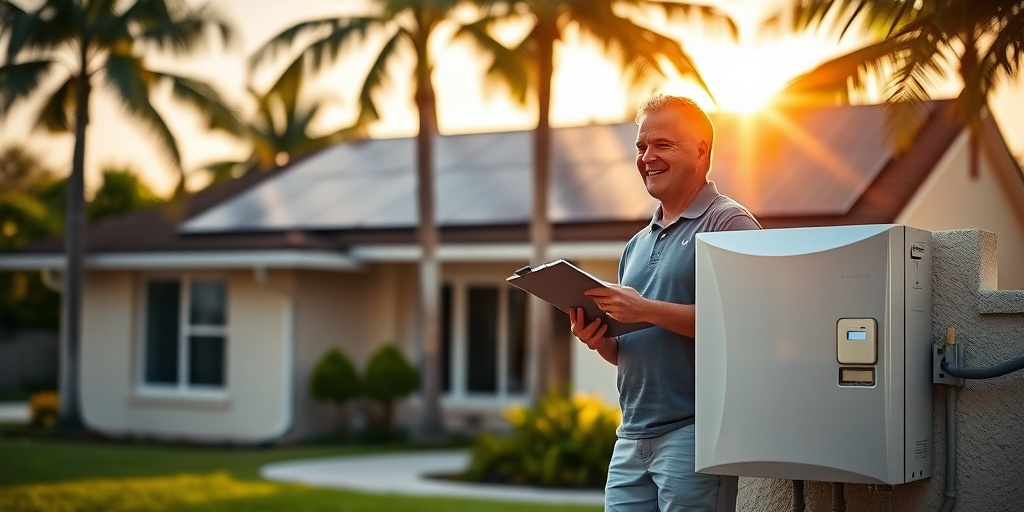
In the vibrant sun-drenched state of Florida, a remarkable change is unfolding: more and more homeowners are choosing to reduce their reliance on traditional energy sources by harnessing the sun’s rays. This trend is driven by an urgent need to combat rising energy costs, with electricity prices expected to surge by an average of 26% over the next two years (SolarReviews.com). However, what many individuals overlook in this transition towards solar energy is the pivotal role that inverters play in the overall efficiency of solar systems. In fact, inverters account for approximately 20% of the total installation costs, making the decision on which inverter to use a crucial one (SEIA.org). In our in-depth article titled Technical Deep-Dive: Choosing the Right Inverter for Your Solar System, we aim to illuminate the intricacies of inverter selection, ensuring you make the most informed decision for your 2025 solar upgrade.
With a surge in government incentives, coupled with a growing public awareness of environmental challenges and grid instability, the call to shift toward solar is more significant than ever. This article is not just about the numbers—it’s about knowing how to optimize your solar investment. Here’s a roadmap of what we’ll cover: first, a detailed analysis of inverter types, followed by a practical checklist to guide your choices. Next, we’ll bust some common myths surrounding inverters, discuss Florida-specific factors influencing your decision, and finally dive deep into the technical aspects essential for securing your family’s energy future.
Understanding Inverter Types: A Florida Homeowner’s Essential Guide
When it comes to selecting the right inverter for your solar system, understanding the various types available is paramount. Let’s explore some specific cases to illustrate the importance of this choice. A family in Orlando recently made the switch to solar and opted for a string inverter without fully understanding its implications. After installation, they encountered issues with shading that diminished their energy output significantly. In contrast, another family choosing a microinverter set-up thrived under the same conditions. Their system adapted effectively to shading, while also providing them with greater control and monitoring capabilities over their energy production.
Here’s a quick checklist to fine-tune your inverter selection:
- Evaluate Your Energy Needs: Assess your past consumption and peak demand times. This step will help determine whether you need a small or high-capacity inverter.
- Consider Future Expansion: If you anticipate additional energy usage, choose an inverter size that allows for future upgrades.
- Analyze Sun Exposure: Conduct a thorough assessment of shading on your property, influencing whether a string inverter or microinverter is more suitable.
- Monitor Efficiency Ratings: Prioritize models with a high conversion efficiency, which translates to better performance overall.
- Local Climate Conditions: Take into account Florida’s humidity and weather patterns—opt for inverters designed to withstand tough conditions.
Unfortunately, widespread myths have led many to settle for options that do not ensure optimal performance. Let’s address these common misconceptions:
Myth #1: All inverters are the same; performance is standardized.
Reality: Inverter efficiency can vary widely. Some models have efficiencies above 98%, while others may lag around 90%. Always check the specifications!
Myth #2: Once installed, inverters don’t need monitoring.
Reality: Continuous monitoring is critical. Poor performance can often be detected early through monitoring apps provided with most modern inverters.
Myth #3: Microinverters are not worth the extra cost.
Reality: Microinverters can significantly optimize energy production, especially in partially shaded locations typical of many Florida homes.
Using Florida-specific data, it’s noteworthy to mention that approximately 55% of homeowners that have undergone solar installation in the past year have chosen microinverters due to their versatility and efficiency benefits in shaded areas (SEIA.org).
In terms of technical deep-dive analysis, your solar inverter does more than just convert direct current (DC) to alternating current (AC). It also plays a vital role in system safety, grid connection, and performance. A good inverter can safeguard your solar setup while maximizing energy savings. Understanding the nuances of each type—string inverters, microinverters, and power optimizers—will arm you with the knowledge needed for an informed decision.
As we move the discussion forward, having dissected the various attributes of inverter types, the next section will delve into a secondary concept that guarantees your solar experience becomes as seamless as possible.
Your Ultimate Guide to Maximizing Solar Efficiency
As you dip your toes into the world of solar solutions, the most important strategy is ensuring that the inverter you select is capable of maximizing the efficiency of your solar energy system. This goes beyond mere selection; it’s also about installation and ongoing maintenance. Thus, understanding how factors like panel orientation, shading, and inverter location can impact efficiency is crucial.
- Panel Orientation: Installing solar panels facing south at an optimal angle ensures that they get the maximum sunlight exposure throughout the day.
- Voltage Drop: Maintaining optimal distances between your panels and inverter can help minimize energy loss associated with voltage drop. Limit this distance to under 40 feet when feasible.
- Regular Maintenance: Just as you would tune a car for peak performance, your solar energy system benefits from regular checks on its components, especially the inverter. Manufacturer recommendations typically include bi-annual checks.
- Smart Technologies: Some modern inverters come equipped with software that allows you to analyze performance over time. Utilize these reports to improve your energy strategies.
One important statistic to keep in mind is that well-maintained systems have been shown to yield 10-30% more energy over their lifetimes than poorly maintained systems (NREL.gov). This highlights that monitoring and evaluating your system’s performance is not merely optional—it is essential for maximizing solar savings. For expert advice, consider visiting floridaelectricandsolar.com to connect with professional solar consultants in your area.
Optimizing solar energy systems requires keen attention to detail across multiple components, including your choice of inverter. The next section will provide practical tips from installation experts on best practices particularly suited for Florida’s climate, so you can enjoy your solar investment for years to come.
5 Expert Installation Tips for 2025
If you’ve decided to transition to solar energy, preparing for installation can be overwhelming. However, following the best practices outlined by leading industry experts will streamline the process. The following actionable insights will help ensure that your solar installation is both efficient and effective:
- Don’t Skimp on Panel Placement: Optimal placement is vital for capturing sunlight effectively. Consulting an expert can yield significant dividends in energy production.
- Seek Out Professional Installation: DIY installations are tempting but often lead to subpar results. Proper installation avoids costly inefficiencies down the line.
- Utilize Local Incentives: Florida offers various tax incentives and rebates for solar installations. Familiarize yourself with current programs to make the most of your investment.
- Review Your Electric Bill: Analyze past utility costs to estimate potential savings and refine your system size accordingly.
- Communicate with Contractors: Clearly articulate your energy goals and usage patterns so that your installer can tailor the system to your needs.
Statistics indicate that up to 80% of Florida homeowners report higher satisfaction levels when involving professionals in their solar project rather than embarking on a DIY installation (SolarReviews.com). This sheds light on the value of experience and expertise during the setup period. Keep these insights in mind as you navigate your solar journey, and ensure you’re making your decisions with both current and future goals in mind.
Moving forward, we’ll take a deeper look at the experience of a fictional Florida homeowner who turned to solar, transforming both their home and lifestyle.
A Florida Homeowner’s Solar Journey
Meet the Ramirez family from Sarasota. As an active family with two teenagers, their monthly electric bills were skyrocketing, especially during Florida’s long summer months. After a summer of serious contemplation, they decided to install solar panels. Starting this journey, they were motivated to not only cut costs but also contribute to a sustainable future for the planet. What follows is a breakdown of their experience and lessons they learned along the way:
- Initial Research: They began by exploring the best inverter options available in the market. They learned about string and microinverters and decided to seek local expertise for recommendations.
- Consultation: Engaging a professional contractor transformed the experience. They mapped out each step and provided insights into energy consumption patterns.
- Installation Day: On installation day, the Ramirez family was at home, assisting the team and asking questions. They observed how crucial proper panel placement was to avoid shading.
- Monitoring Systems: Post-installation, they were pleased to see detailed output reports, showcasing how well they were producing energy—a key factor they had learned to value.
Indeed, understanding the intricacies of solar technology not only empowered them but also positioned them for ongoing savings and efficiency. Today, as a part of the growing trend among Florida homeowners transitioning to renewable energy, the Ramirez family enjoys significant savings on energy bills, which equate to about 30% less than before (NREL.gov).
As we conclude our insightful exploration into inverter choices, our final section will focus on actionable steps you can take today to embark on your solar journey in 2025.
Next Steps for Florida Solar Buyers in 2025
Now that you are equipped with essential insights on how to choose the right inverter, it’s time to outline a clear action plan for transitioning to solar energy. This process can feel daunting, but breaking it down into manageable steps will empower you on your journey:
- Step 1: Audit Your Electric Bill: Start by carefully reviewing your past utility statements to determine your average monthly energy consumption.
- Step 2: Research Inverter Types: Take time to familiarize yourself with various inverter options, their benefits, and how they suit your energy needs.
- Step 3: Consult with Professionals: Engaging experts can guide you through the nuances of inverter selection tailored to Florida’s conditions.
- Step 4: Explore Local Incentives: Investigate federal and state programs that provide financial assistance for solar investments.
- Step 5: Schedule an Installation: Once all preparatory steps are completed, reach out to schedule an installation with trusted local contractors.
The journey to harnessing solar energy is not one that should be taken lightly. With proper planning and informed decisions, owning your power becomes a tangible reality. For detailed guidance and personalized consultations, visit floridaelectricandsolar.com to connect with certified solar experts who can help you every step of the way.
As we wrap up this comprehensive exploration into everything you need to know about choosing the right inverter, let us reflect on the future. By opting for solar, you are not just investing in renewable energy—you are making a profound commitment to save money, join a sustainable movement, and secure a better future for generations to come.
Ready to start your solar journey in 2025? Connect with a certified expert at floridaelectricandsolar.com today.
Related Articles
More insights about Inverter

5 Critical Steps for Choosing the Right Inverter

7 Essential Tips for Choosing the Right Inverter

Technical Deep-Dive: Choosing the Right Inverter for Your Solar System
Ready to Go Solar?
Have questions about solar energy? Our experts are here to help you make the switch to clean, renewable energy.