
A Technical Deep-Dive into Solar Panel Installation Best Practices
Share:
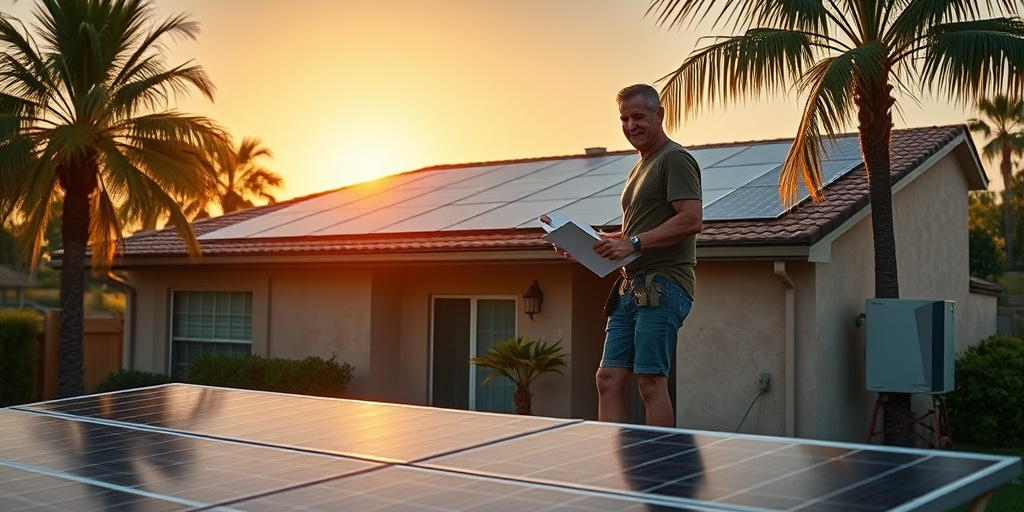
Imagine waking up to a sun-drenched morning, confident that your home not only shines in the Florida sun but also generates its own power. This dream is no longer unreachable. According to the Solar Energy Industries Association, solar power installations in Florida have drastically increased by over 50% in recent years (SEIA.org). Yet, a common hurdle remains: how do homeowners and commercial property owners choose the best solar panel installation practices? In this article, titled A Technical Deep-Dive into Solar Panel Installation Best Practices, we will explore everything you need to know to optimize your solar setup
As of 2025, with rising electric rates and a growing focus on renewable energy, this question has become increasingly urgent. The average energy costs for Floridians have risen approximately 6% over the past year, indicating that the right solar investment could yield significant savings (Florida Power & Light). Additionally, new incentives are being rolled out, providing financial doorways to a greener future. In this comprehensive guide, we will cover five key sections:
- 1. Case Study: Real-Life Solar Implementation
- 2. Installation Checklist for Solar Panels
- 3. Common Myths About Solar Panels
- 4. Local Focus: Understanding Florida-Specific Needs
- 5. Technical Deep-Dive on Solar Technology
Each section is crafted to arm you with the insights and confidence you need as you navigate the sunny yet complex landscape of solar energy in Florida.
A Deep Dive into Real Solar Panel Installations: A Case Study
Meet the Johnson family from Sarasota, Florida. They faced a dilemma common among their neighbors: escalating electric bills and rising concerns about climate change. When they decided to go solar, they quickly discovered there was a world of technical knowledge beneath the surface of residential solar energy. That knowledge became crucial during their solar panel installation journey.
First, they started by assessing their monthly electric bill, which averaged around $200 during the summer months. With Florida’s peak heat, the air conditioning was frequently running, driving costs up. Their objective was to eliminate this financial burden while also contributing to a more sustainable environment.
The family consulted a professional solar energy company and conducted a thorough energy audit. Here’s what they learned about the installation process, which is crucial for any homeowner considering transitioning to solar:
- System Sizing: To maximize efficiency, it’s essential to determine how many solar panels are needed based on energy consumption. The Johnsons opted for a 6 kW system, which experts estimated would cover their energy needs.
- Site Evaluation: A detailed site evaluation is a must. Solar panels require ample sunlight without obstructions like trees or nearby buildings. The installation team decided to place the panels on the Johnsons’ roof, taking care to avoid any shading issues throughout the day.
- Technology Selection: The family learned that not all solar panels are created equal. Selecting high-efficiency, durable panels can lead to better long-term performance. The Johnsons settled on monocrystalline solar panels known for their efficiency and longevity.
Ultimately, the Johnsons experienced remarkable results: within the first year, they reduced their electric bill by over 70%, and they began receiving credit from their utility for excess energy generated through net metering.
This example illustrates a vital principle: navigating the intricacies of solar panel installation can be overwhelming. However, understanding the key steps helps demystify the process and brings solar living within reach. Let’s transition to a checklist to further empower your journey.
Essential Steps for Successful Solar Installation
As you set out on your solar installation journey, a structured approach can help ensure a smooth transition from planning to execution. Here’s a straightforward checklist of essential steps you should follow:
- Step 1: Research Local Regulations and Incentives – Before making any commitments, familiarize yourself with local building codes and regulations surrounding solar energy. Whether it’s local permits or inspection requirements, knowing these factors can save you from costly delays.
- Step 2: Conduct an Energy Audit – Understanding your current energy use is crucial. Review past electricity bills to determine your baseline. Consider hiring a professional to conduct a comprehensive energy audit.
- Step 3: Get Multiple Quotes – Speak with at least three different solar companies to compare prices, services, and warranties. Don’t be swayed by low estimates; evaluate what’s included.
- Step 4: Choose the Right Equipment – Solar panels vary in terms of efficiency and durability. Research panel options and select a reputable brand to ensure you get the best performance.
- Step 5: Schedule your Installation – Once you’ve chosen your provider, coordinate the installation schedule that works best. Ensure all necessary permits are secured beforehand.
Following this checklist can smooth out the installation process and help you avoid the common pitfalls that many solar beginners encounter. For Floridians, knowing your specific incentives is particularly advantageous. You can visit floridaelectricandsolar.com for more tailored advice.
Myth-Busting Common Misconceptions About Solar Energy
As you consider solar energy, it’s important to separate fact from fiction. Different misconceptions might lead to hesitation about tapping into solar energy. Here are some of the most common myths—debunked:
- Myth #1: Solar Panels Don’t Work on Cloudy Days – Many believe that solar panels only generate power on bright sunny days. In reality, solar panels can still work at about 20-30% efficiency, even under overcast conditions.
- Myth #2: Solar Energy is Too Expensive – While there is an upfront cost, the significant savings on electric bills and available tax credits make solar energy an excellent long-term investment. In fact, many Florida homeowners see a payback period of 5-7 years (SolarReviews.com).
- Myth #3: I Can’t Install Solar Panels on My Roof – Roof compatibility varies, but almost any roof can accommodate solar panels with proper mounting solutions. Additionally, ground-mounted systems are an alternative for homeowners with less-than-ideal roofs.
- Myth #4: Solar Panels Require Constant Maintenance – Solar panels are low-maintenance and can simply be hosed off as needed. Most reputable manufacturers offer warranties ranging from 20-25 years, ensuring reliability over time.
- Myth #5: Solar Energy is Only for Environmentally Conscious People – While environmental benefits are significant, financial savings are equally compelling. Solar energy appeals to anyone looking to cut their electric bills and reduce dependence on traditional energy sources.
Debunking these myths is essential for Florida homeowners striving to make informed decisions in an ever-evolving energy landscape. With knowledge comes power—the power to drive your family toward a more sustainable and cost-effective energy solution.
Local Focus: Florida-Specific Considerations for Solar Power
Florida’s unique environment presents certain considerations when it comes to solar panel installation. Understanding these regional factors is crucial to optimizing your solar future:
- Sunlight Availability: Florida is known as the Sunshine State for a reason. With an average of 237 sunny days each year, homeowners can capitalize on optimal solar energy production.
- Net Metering Policies: Florida allows net metering, which can benefit homeowners by providing credits for excess solar energy fed back into the grid. These credits can drastically reduce monthly electric costs (Energy.gov).
- Hurricane Preparedness: Florida is prone to hurricanes, so it’s critical to ensure your solar installation is built to withstand winds. Work with companies experienced in installing durable, weather-resistant systems.
- State Incentives: The Florida legislature offers a property tax exemption for solar panel installations, enabling homeowners to save even more in the long run.
Educating yourself on these key Florida-specific points ensures that you make informed choices rooted in the local context. Transitioning to solar could be the best financial and environmental decision you make as a Florida homeowner.
A Technical Deep-Dive: Understanding Solar Technology
The technological aspects of solar energy can be complex, but a deeper grasp of how it all works can enhance your decision-making process. Here’s a closer look at the main components:
- Solar Panels: These are the heart of your solar system. They convert sunlight into electricity through photovoltaic cells. The efficiency of these cells, measured in wattage, determines how much energy you can harness from the sun.
- Inverters: Once your solar panels generate electricity, inverters convert this direct current (DC) power into alternating current (AC) power, which your home can use. Choosing quality inverters saves you both energy and money in the long run.
- Batteries: Many homeowners opt for battery storage to store excess energy for later use. Batteries can act as a backup during power outages and help maximize your solar savings by providing power during peak rate hours.
- Metering and Tracking: Monitoring your solar energy production and consumption is vital. Smart meters help track your solar production and how much energy you feed back into the grid, enabling you to maximize savings and efficiency.
Equipping yourself with knowledge about these components can help you evaluate your options better. Seek guidance from experts; working with a trusted company like floridaelectricandsolar.com ensures you select the right products for your needs.
Next Steps for Florida Solar Buyers in 2025
Now that you have a coherent understanding of the best practices for solar panel installation, it’s time to take the next steps in making solar energy a reality for your home.
- Step 1: Audit Your Electric Bill – Gather your electricity bills from the past year to assess how much energy you consume monthly. This will guide your solar system sizing.
- Step 2: Research Local Solar Incentives – Investigate available state and federal incentives that can dramatically offset the cost of your solar installation.
- Step 3: Schedule Consultations – Reach out to several solar installation companies for consultations, comparing their offerings, expertise, and customer reviews.
- Step 4: Analyze Financing Options – Discuss financing options—whether cash, loan, or leasing agreements—with your chosen provider to explore what aligns best with your financial situation.
- Step 5: Move Forward with Confidence – Once you have decided on the solar provider and financing options, prepare for installation. Ensure all documentation is available and schedule the installation as per your convenience.
These next steps bring you closer to solar energy independence. The 2025 solar landscape in Florida is bright and buzzing with opportunities. Connect with experts to tailor your journey towards green energy and financial savings.
In conclusion, transitioning to solar energy in Florida is a journey filled with opportunities for savings, sustainability, and independence. Understanding installation practices, debunking myths, and focusing on local considerations will empower you as a homeowner. The time to act is now, as the financial landscape increasingly favors solar solutions for Florida homeowners. Ready to start your solar journey in 2025? Connect with a certified expert at floridaelectricandsolar.com today!
Related Articles
More insights about Solar Panel

Florida Homeowners: Why Solar Panel Maintenance Is Essential

7 Essential Steps for Solar Panel Installation Success

Expert Insights: Key Factors Influencing Solar Panel Lifespan
Ready to Go Solar?
Have questions about solar energy? Our experts are here to help you make the switch to clean, renewable energy.