
A Technical Deep-Dive Into Solar Panel Installation Options
Share:
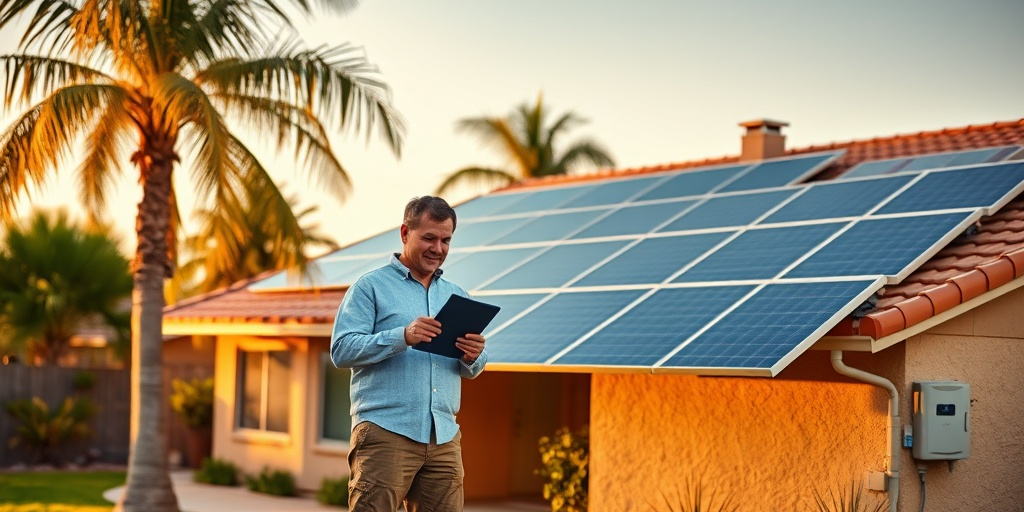
In 2025, the solar energy landscape is transforming dramatically, especially for Florida homeowners and commercial property owners. Did you know that solar panel installation costs dropped by around 40% over the past decade? Despite the significant decrease, many still hold misconceptions about the technology and its benefits. In fact, Florida ranked number three in the nation for installed solar capacity in 2023, with over 1.5 million solar systems in operation (SEIA.org). The title of our blog today is A Technical Deep-Dive Into Solar Panel Installation Options, and this discussion holds urgent significance as electricity prices continue to rise, and incentives for renewable energy grow more robust. Understanding the nuances behind solar panel installations is essential not just for making informed decisions but also for maximizing long-term savings and improving energy efficiency.
In the sections that follow, we will take a close look at:
- Section 1: An angled deep dive into the various solar panel installation options available.
- Section 2: A checklist to help guide your solar installation process with best practices.
- Section 3: Myth-busting common misconceptions surrounding solar energy.
- Section 4: Local focus on Florida-specific regulations, incentives, and case studies.
- Section 5: A structured action plan for navigating your solar journey in 2025.
This deep dive isn’t just about technical specifications; it’s about empowering you, the Florida homeowner or business owner, to own your power and harness the sun for a brighter, sustainable future.
A Comprehensive Overview of Solar Panel Installation Options
When Florida homeowners consider going solar, they face multiple installation methods, each with unique advantages and challenges. Meet Sarah and James, a couple in Orlando, who decided to transition from traditional energy to solar after facing a 50% spike in their electricity bill during peak summer months. Their story reflects the journey of many Floridians seeking financial relief through renewable energy.
The couple had three primary installation options: roof-mounted panels, ground-mounted systems, and solar carports. Each choice has its pros and cons, making it essential to weigh them carefully. Here’s a checklist of considerations:
-
Roof-Mounted Solar Panels:
– Typically the most common installation type for residential homes.
– They utilize existing roofing space, minimizing land use.
– Potential downsides include shade issues from surrounding trees and roof integrity concerns. -
Ground-Mounted Solar Systems:
– These require adequate land space but can be optimized for sun exposure and efficiency.
– Easier access for maintenance and repairs.
– More suitable for larger properties or rural areas. -
Solar Carports:
– Perfect for homeowners with limited roof space.
– Dual purposes as both energy producers and shaded parking.
– Can be a more complex installation with higher costs.
For Sarah and James, the decision came down to roof-mounted panels due to their budget and the limited yard space they had. Their contractor helped analyze the sun exposure throughout the day, ensuring optimal placement. This move is especially crucial in Florida, where the average daily solar radiation is one of the highest in the U.S.
Key Considerations for Each Installation Method
The installation method significantly impacts the efficiency and long-term savings of solar energy systems. Here’s a local focus on how Florida’s climate and policies affect each option:
- Sun Exposure: Florida gets an average of 253 sunny days a year, making most areas optimal for solar energy capture. It’s crucial to analyze the roof’s pitch, orientation, and shading before installation.
- Local Regulations: In Florida, net metering allows homeowners to receive credits on their utility bills for excess energy generated (SolarReviews.com). Understanding state-specific incentives and rebates can also impact your installation choice.
- Battery Storage Needs: Consider whether you want battery storage to harness energy for nighttime use, which can be more easily integrated with ground-mounted systems.
Choosing the right installation method requires thorough research and consultation with experts. Solar energy has become more accessible than ever, with financial incentives pushing many towards installation. According to the U.S. Department of Energy, solar energy has the potential to offset about 25% of Florida’s energy needs—an impressive figure that emphasizes the importance of adopting this renewable resource.
Now that we understand the installation options and local concerns, we can move on to debunking common myths surrounding solar energy.
Common Myths About Solar Energy: Time to Set the Record Straight
The world of solar is filled with misconceptions that can deter homeowners from investing in solar energy. Let’s take a closer look at these myths and separate fact from fiction.
- Myth #1: Solar Panels Are Too Expensive: While upfront costs can be significant, it’s important to note that solar panel prices have dropped drastically—over 70% since 2010 (Energy.gov). Additionally, incentives can reduce costs up to 30%.
- Myth #2: You Need to Be Off-Grid to Use Solar: Many believe solar is just for those who can live off the grid. However, most users remain connected to the grid to maximize energy efficiency and benefit from net metering.
- Myth #3: Solar Panels Don’t Work in Cloudy Weather: While solar panels are most effective during sunny days, they can still generate power in cloudy and rainy conditions, particularly in Florida, where sunlight is abundant.
- Myth #4: You Can’t Install Solar on a Shaded Roof: Although shade impacts energy production, technology advancements like micro-inverters and optimizers allow for effective energy production even with partial shading.
- Myth #5: Solar is Just a Fad: The growth of solar installations continues to rise each year, with a projected compound annual growth rate of over 20% through 2025, reflecting a trend towards sustainability (SEIA.org).
By debunking these myths, Florida homeowners can feel more empowered about their decisions to transition to renewable energy. The benefits far outweigh misconceptions, paving the way for a greener future.
5 Expert Solar Installation Tips for 2025
The journey to a successful solar installation can be challenging. Luckily, some best practices can ensure a smooth process and optimal results. Here are five actionable tips:
Tip #1: Choose the Right Installer
Finding a credible and experienced solar contractor is perhaps the most critical step. Look for certified installers, check reviews, and clarify your expectations. floridaelectricandsolar.com offers a wealth of local expertise tailored for Florida homeowners.
Tip #2: Assess Your Energy Needs
Understanding your energy consumption can help in designing a system that meets your specific needs. An energy audit can give you insights into your usage patterns and areas where you can save on costs.
Tip #3: Monitor Installations During Peak Hours
Work with your installer to identify the most productive times during installation, usually in the early hours when they can avoid extreme heat or storms common to Florida summers.
Tip #4: Positioning for Efficiency
Ensure that your panels are installed in the right location to capture maximum sunlight. All assessments should consider local geographical features, such as trees and nearby buildings.
Tip #5: Don’t Overlook Incentives
Research local, state, and federal incentives available for solar installations. Many Floridians may qualify for rebates or tax credits that can dramatically impact overall installation costs.
Charting Your Solar Journey: A Florida Homeowner’s Roadmap
Meet Emily, a Sarasota resident who decided to go solar in 2025. She found solar savings smoother than anticipated, which speaks to the benefits of a structured approach. Here’s how her journey unfolded:
- **Audit Your Electric Bill:** Emily gathered data from her recent bills to comprehend her current consumption.
- **Research Installers:** She looked for reputable companies and requested multiple quotes.
- **Evaluate Financing Options:** Emily considered various financing routes, including leasing and cash options.
- **Placement Decisions:** She worked with her chosen installer to evaluate panel placement on her shaded roof.
- **Post-Installation Monitoring:** Once installed, she actively monitored performance and engaged with her installer for system check-ups.
As seen in Emily’s experience, informed homeowners can make informed decisions that lead to successful and efficient installations, ensuring they benefit from solar energy for years to come. Crucially, a well-managed installation process can minimize pain points and maximize satisfaction.
Next Steps for Florida Solar Buyers in 2025
Diving into solar might seem daunting, but crafting a structured plan can simplify the process. Here are actionable steps that you can implement:
-
Step 1: Audit Your Electric Bill
Review your recent statements to establish your average monthly energy consumption, identifying areas to improve efficiency.
-
Step 2: Research Incentives
Familiarize yourself with state and federal rebates, tax credits, and net metering policies to optimize financial savings.
-
Step 3: Get Multiple Quotes
Screen solar installation companies and gather multiple quotes to understand your investment better.
-
Step 4: Plan for Installation
Discuss optimal placement of your solar power system to maximize energy production.
-
Step 5: Monitor Your System
Once installed, ensure that you regularly check the performance of your solar system and engage with your installer for maintenance.
Each step plays a critical role in successfully transitioning to solar energy. You have the power to shape your energy future, reduce your electric bills significantly, and lessen your environmental impact.
Conclusion
To recap, we explored A Technical Deep-Dive Into Solar Panel Installation Options, illuminating your path towards energy independence. With the profound benefits of solar energy coupled with the growing urgency of rising energy costs and increased environmental awareness, there’s never been a better time than now to invest in solar. Remember that each decision made today impacts your financial future, family comfort, and the planet’s health.
We hope that this guide equips you with the knowledge needed for a smooth transition to solar energy—step by step. By tackling myths and making informed decisions, you can ensure a rewarding solar experience for years to come.
Ready to start your solar journey in 2025? Connect with a certified expert at floridaelectricandsolar.com today.
Related Articles
More insights about Solar Panel

Florida Homeowners: Why Solar Panel Maintenance Is Essential

7 Essential Steps for Solar Panel Installation Success

Expert Insights: Key Factors Influencing Solar Panel Lifespan
Ready to Go Solar?
Have questions about solar energy? Our experts are here to help you make the switch to clean, renewable energy.