
A Technical Deep-Dive Into Solar Panel Lifespan Analysis
Share:
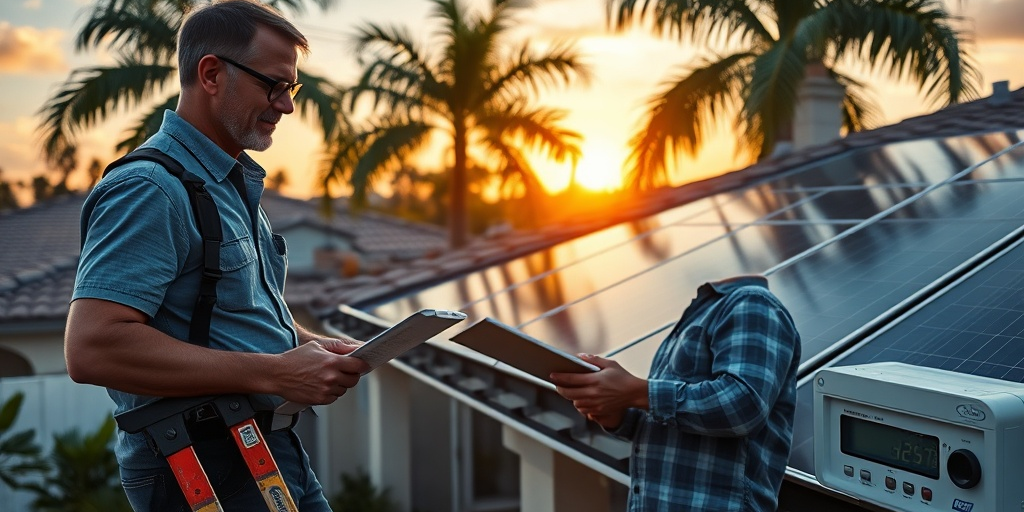
As the sun illuminates the skies over Florida, a silent revolution unfolds—one that is not merely about renewable energy, but about securing a sustainable future for countless families and businesses across the state. Did you know that solar energy adoption in Florida has surged by over 12% in just one year? This remarkable growth has made Florida one of the top states in the nation for solar installations, with roughly 76,000 solar installations reported by 2023 (SolarEnergy-World.com). More importantly, Floridians are increasingly aware that the choice to go solar now is not just smart; it’s essential, especially with rising energy costs that can dampen even the most resilient household budgets. Welcome to *A Technical Deep-Dive Into Solar Panel Lifespan Analysis*, where we uncover the intricate factors influencing solar panel longevity and how they affect your solar return on investment (ROI) and overall system performance.
As we approach 2025, making informed decisions about solar energy becomes increasingly urgent. State incentives, fluctuating electricity prices, and the pressing need for carbon-neutral living push both homeowners and commercial property owners to understand how long their solar systems will serve them. With the introduction of new solar programs aiming to provide credits to homeowners, now is the perfect time to invest in solar energy.
In this engaging journey, we will dissect the lifespan of solar panels, examining not just how long they last, but what that longevity means for your investment. Here’s what you can expect in the upcoming sections:
- Section 1: A Deep Dive into Lifespan and Performance
- Section 2: Understanding the Factors Affecting Solar Panel Lifespan
- Section 3: Five Expert Solar Installation Tips for 2025
- Section 4: Real Experiences of Floridians Going Solar
- Section 5: Your Action Plan for Transitioning to Solar
Let’s embark on this enlightening exploration, and transform you from a skeptical consumer into an empowered decision-maker in the world of solar energy.
A Comprehensive Understanding of Solar Panel Lifespan
One may wonder, what exactly is the lifespan of solar panels? The reality is that top-notch solar panels can last over 25 years, but that’s not the whole story. Consider the tale of the Martinez family from Clearwater, Florida. In 2018, they decided to invest in a 6 kW solar system as a hedge against rising energy costs. Fast forward to 2023, and their panels are still generating over 80% of their original capacity, enabling them to save thousands on their electricity bills. However, alongside their savings, they learned valuable lessons about the subtleties of solar panel performance over time.
Here’s a checklist of factors influencing the lifespan of your solar investment:
- Quality of Panels: Higher-quality panels typically feature sturdy materials and advanced technology, which can extend their lifespan.
- Installation Process: Proper installation is critical. Poor workmanship can lead to premature deterioration.
- Environmental Conditions: Florida’s intense sun, humidity, and storms can impact long-term performance, which highlights the need for durable products tailored to local conditions.
- Regular Maintenance: Like any investment, maintaining your solar power system primarily determines its longevity.
- Technological Advances: Emerging technologies in battery systems and inverter efficiency can enhance the performance and life expectancy of solar systems.
A common myth surrounding solar panels is that they are maintenance-free. In reality, they do require periodic cleanings and checks. Failing to maintain your system can reduce efficiency significantly over time. A well-maintained system can provide up to 30% more energy than a neglected one (SEIA.org).
Delving deeper, technical specifications also play a significant role. Most manufacturers provide warranties ranging from 25 to 30 years, guaranteeing at least 80% performance at the end of that period. For example, many Florida homeowners are unaware that some panels continue to perform efficiently well beyond their warranties, with data from the National Renewable Energy Laboratory indicating many panels in ideal conditions can outlast their expected lifespan by several years (NREL.gov).
You must also consider how much energy your system can generate during its operational life—a vital statistic for calculating long-term savings. The power rating of solar panels, typically measured in watts, directly influences this figure. Higher wattage panels generate more energy and can offset higher energy costs for a longer timeframe, which is particularly important in a state like Florida where the demand for electricity soars during peak hours.
Transitioning to solar energy is more than a mere financial decision; it’s a lifestyle transformation that aligns with the urgency of climate change, making understanding your solar panel lifespan an essential part of your buying decision. As we continue, we will explore the environmental and economic factors influenced by the lifespan of your solar panels.
Understanding the Factors Affecting Solar Panel Lifespan
Understanding the intricacies of solar panel longevity provides critical insights that Florida homeowners must grasp. Here, we’ll illuminate key components that maximize lifespan, dismantling misconceptions and presenting actionable insights.
- Quality of Materials: Not all solar panels are created equal. Opt for panels with durable, high-grade materials such as monocrystalline silicon rather than polycrystalline, which typically show lower performance in adverse conditions. Panels with an aluminum frame and tempered glass often last longer.
- Installation Quality: A solar system is only as robust as its installation. Engage reputable solar providers with proven track records to ensure your system is secured expertly, preventing potential leaks or structural issues.
- Local Environmental Factors: Florida’s climate poses unique challenges—high humidity, salt, and storm exposure can impact solar performance. Solar panels designed for coastal regions tend to resist corrosion better; thus, research local performance standards.
- Technological Improvements: Advances in technology, such as bifacial solar panels that harness sunlight from both sides, increasing efficiency, might offer longer lifespans than traditional panels. Understanding current innovations helps you make a future-proof investment.
- Monitoring and Maintenance: Employ systems that allow real-time monitoring of energy production. Early detection of issues can help maintain performance and longevity. Regular cleaning, especially in dusty areas, ensures optimal energy generation.
For instance, studies show that Florida homeowners who engage in regular maintenance can enhance their systems’ efficiency by up to 20% (Energy.gov). The bottom line is simple: maximizing your investment in solar energy starts with understanding how to sustain its power output throughout its lifecycle.
Moving forward, we will equip you with tangible tips directly from experts about solar installation practices tailored for 2025, ensuring you choose the best system that fits both your needs and Florida’s unique environment.
Five Expert Solar Installation Tips for 2025
As the solar industry evolves, so must the practices we adopt for installation and maintenance. To maximize the efficiency and lifespan of your solar power system, we’ve curated five essential tips to consider before and during installation.
- Invest in Quality Over Cost: Initially, cheaper options may appeal; however, investing in higher-quality solar panels from reputable manufacturers pays off in the long run. Brands like SunPower and LG, known for their reliability and longevity, are often recommended by industry experts.
- Optimize Panel Placement: Strategic placement—especially in sun-rich Florida—ensures maximum sunlight exposure. Consider your roof’s orientation; south-facing roofs generally capture the most sunlight. Furthermore, angle your panels for optimal performance during peak sunlight hours.
- Choose the Right Inverter: An inverter converts the direct current (DC) produced by your panels into alternating current (AC) for home use. Selecting an efficient inverter model ensures minimal energy loss. String inverters are common; however, micro-inverters can optimize the performance of each panel individually.
- Integrate Battery Storage: Battery storage systems allow you to store excess energy for nighttime or cloudy days, optimizing solar efficiency and independence from the grid. With advances in battery technology, systems like the Tesla Powerwall have become increasingly popular in Florida.
- Understand the Permit Requirements: Each municipality in Florida may impose different rules concerning permits for solar installation. Educate yourself on the local regulations and ensure that your installer complies to avoid unnecessary delays.
As you prepare for your solar transition, these tips will not only optimize the initial installation but enhance the longevity and efficiency of your system. Current forecasts project that by 2025, Florida’s solar usage could lead to savings of nearly $400 million annually (DSIREUSA.org), emphasizing the financial benefits of adopting optimal practices in solar installation.
Next, we will explore the real-life journeys of Floridians who have embraced solar energy, showcasing how their experiences influence future decisions and purchases in 2025.
Real Experiences of Floridians Going Solar
The narratives of homeowners transitioning to solar power illuminate the myriad of benefits and challenges in their journeys. In this section, we will follow the story of a fictional yet relatable family navigating their solar experience.
Meet the Fernandez family from Naples. After facing rising electric bills that peaked at $300 a month, they decided to explore solar energy as a viable alternative. Their journey began with researching reputable local solar providers and attending community workshops to understand the ins and outs of solar panel technology. Here’s a breakdown of their experience:
- Initial Resistance: Like many, they were initially skeptical about the costs involved and whether solar really could save them money. However, awareness of Florida’s incentives and rebates significantly influenced their decision.
- Comprehensive Research: The family dedicated months to research, comparing products and installer reviews. They discovered that quality panels could significantly reduce their future electric bills.
- Professional Consultation: Concerned about installation quality, they opted for an installation company with solid reviews and certifications. Their confidence grew as they found a company offering a 25-year warranty on both the panels and installation.
- Implementation: Following the installation, they reported a seamless setup process that transformed their roof into a dedicated solar generator. The first month saw their electric bill drop to $75, with promises of saving much more.
- Long-Term Satisfaction: Two years later, the family reflects positively on their decision. With a 13 kW solar array, they have not only reduced their bills to almost zero, but also contribute 100% renewable energy back to the grid, receiving credits that offset future costs.
While the journey included hurdles, the Fernandez family emerged victorious, reinforcing that with proper research and the right partners, solar energy is both an attainable and financially viable solution for many Florida homeowners.
But as we look into the future, it’s key to arm yourself with actionable steps toward solar adoption in 2025. Let’s explore how you can take the next steps in your solar journey.
Your Action Plan for Transitioning to Solar
With insights gained from the experiences of others and industry specialists, you’re better equipped to make informed decisions about your solar investment. Here’s a practical checklist of steps to guide you on your solar journey:
- Step 1: Audit Your Electric Bill: Understanding your current consumption patterns can help you accurately size the solar system you need. Analyze your usage to identify peak times and energy-hogging appliances.
- Step 2: Explore Financial Options: Investigate financing and lease options available for solar installations. Local incentives, federal tax credits, and rebates can significantly reduce upfront costs. Florida homeowners can enjoy incentives like the Property Tax Exemption on solar installation.
- Step 3: Select a Reputable Installer: Research and vet local installers who specialize in residential solar systems. Look for certifications and customer reviews to ensure quality installation. The Better Business Bureau is a valuable resource here.
- Step 4: Schedule a Consultation: Set up consultations with chosen installers to receive site assessments and quotes. Assess their responsiveness to your questions—clear communication is key.
- Step 5: Finalize the Installation: After reviewing proposals and selecting a contractor, finalize your system. Confirm all elements, including warranties, financing terms, and expected performance metrics.
The journey toward solar energy in Florida is not just about participating in a trend; it’s about securing a financially sound and environmentally friendly future for your home. For additional resources, visit floridaelectricandsolar.com to connect with certified experts who can guide you in making educated decisions.
In conclusion, the path to solar energy is filled with promises of economic savings and environmental benefits. The analyses and stories detailed above affirm that investing in solar is not merely a question of interest—it’s a decision of urgency. As we navigate rising costs and strive for sustainability, solar adoption in Florida stands out for its myriad of advantages. By understanding the depth of lifespan analysis within solar products, together we can ensure that your investment not only provides immediate savings but contributes positively to your family and community for decades to come.
Ready to start your solar journey in 2025? Connect with a certified expert at floridaelectricandsolar.com today.
Related Articles
More insights about Solar Panel

Florida Homeowners: Why Solar Panel Maintenance Is Essential

7 Essential Steps for Solar Panel Installation Success

Expert Insights: Key Factors Influencing Solar Panel Lifespan
Ready to Go Solar?
Have questions about solar energy? Our experts are here to help you make the switch to clean, renewable energy.