
Technical Deep-Dive: Understanding Solar Panel Lifespan and Efficiency
Share:
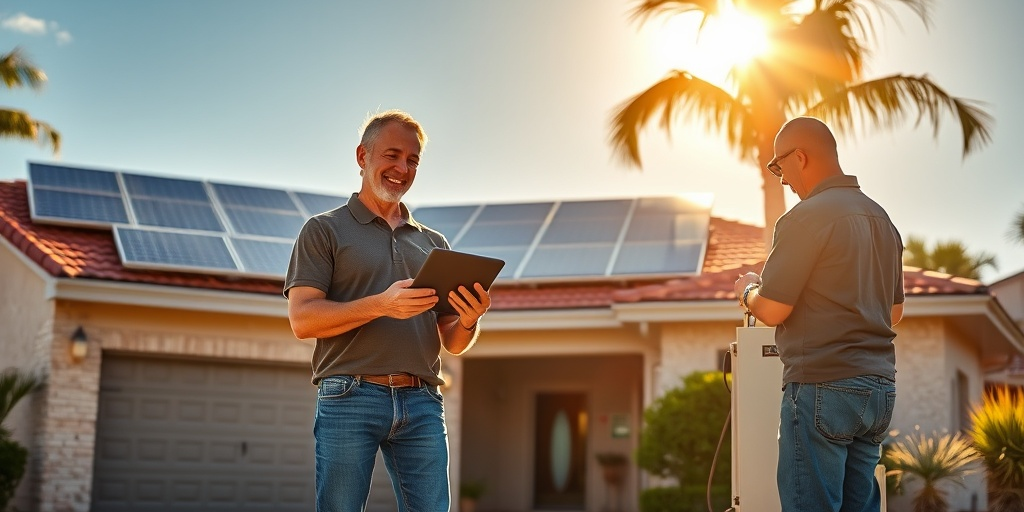
When considering a move toward solar power, one question invariably springs to mind for homeowners: “How long will these solar panels actually last?” This concern is entirely valid, as the decision to invest in solar energy involves upfront costs that homeowners in Florida weigh carefully. As you embark on this journey, our Technical Deep-Dive: Understanding Solar Panel Lifespan and Efficiency aims to illuminate the factors affecting solar panel longevity and productivity. Did you know that most solar panels can last over 25 years, with many continuing to produce energy even after that? According to the Solar Energy Industries Association, solar systems have experienced a remarkable reduction in costs—about 82% since 2010—and are poised for further advancements in efficiency (SEIA.org). As we progress through 2025, the importance of understanding these technical intricacies has never been more pressing, particularly with rising energy costs and new incentives encouraging adoption of renewable energy. In this article, we’ll explore five pivotal sections: the technical aspects of panel lifespan, common myths about solar efficiency, actionable checklists for interested buyers, best practices from industry experts, and a comprehensive action plan for Florida homeowners ready to transition to solar energy.
Understanding the Lifespan and Efficiency of Solar Panels
Before diving into the technical details, let’s first highlight a compelling case study that showcases how solar panels significantly benefit Florida homeowners.
Meet Sarah, a resident of the Sunshine State who decided to install solar panels on her house in 2023. Initially hesitant, Sarah was reassured to learn that solar panels, on average, have a lifespan of 25 to 30 years with minimal maintenance requirements, which is supported by recent data from the National Renewable Energy Laboratory indicating that these systems can still produce up to 80% of their original efficiency even at the end of that period (NREL.gov). She embraced the change knowing that Florida’s ample sunshine would help her capitalize on energy savings and boost her home’s value.
However, it wasn’t just the longevity that attracted Sarah; it was also the fact that as of 2025, the state continues to invest in solar energy, offering various incentives for residents looking to go green. Homeowners can gain up to 26% of their installation costs back through federal tax credits. This financial lift made her more confident in her decision to invest in solar. Understanding solar panel lifespan and efficiency turned out to be paramount for Sarah—both for her budget and for her peace of mind.
Sarah’s story isn’t unique. Numerous homeowners across Florida are recognizing the crucial role of solar in providing both environmental benefits and excellent long-term investments. But how can we delve deeper into the mechanics of solar panels to ensure you, too, will make an informed decision? That’s in the sections below, where we’ll thoroughly explore important factors that contribute to solar panel longevity, bust some common solar myths, and arm you with practical checklists to make your solar journey smooth and successful.
1. A Technical Deep-Dive Into Solar Panel Lifespan: Debunking Myths and Field Insights
To truly grasp the lifespan and efficiency of solar panels, we must look at common myths surrounding their performance.
- Myth #1: Solar panels are not durable.
- Myth #2: All solar panels lose efficiency quickly.
- Myth #3: Sunshine is the only contributor to solar efficiency.
Many believe that solar panels are fragile and can easily be damaged. The reality is that most panels are built to withstand extreme weather conditions, including wind, hail, and heavy rain. In fact, the rigorous testing panels undergo ensures they can sustain up to 1-inch hail at 50 mph, proving their robustness against the elements (SolarReviews.com).
Some skeptics believe that all solar panels degrade rapidly within a short timeframe. While it’s true that all solar panels will experience some degree of efficiency loss—about 0.5% to 1% annually—most high-quality panels, including monocrystalline options, maintain efficiency well over two decades. The average performance warranty offered is about 25 years, giving homeowners reliability in their investment.
While sunny days do enhance performance, temperatures and installation angles play crucial roles. In fact, solar panels operate more effectively when they are cooler, and proper angling can improve light absorption, helping Floridians maximize their savings.
Now that we’ve dispelled these myths, let’s pivot to practical next steps.
2. Your Solar Journey: Checklist for Florida Homeowners
Investing in solar is exciting yet daunting. Here is a simple yet effective checklist designed specifically for Florida homeowners considering solar power:
- Step 1: Audit Your Energy Usage
- Step 2: Evaluate Your Roof Condition
- Step 3: Research Local Solar Incentives
- Step 4: Find a Reputable Installer
- Step 5: Consider Financing Options
Understanding your current electricity consumption is critical. Review your past electric bills to identify average monthly usage. This will help you determine the size of the solar array necessary to cover your needs.
An inspection of your roof is essential to avoid structural issues or necessary repairs that could hinder solar installation. Ensure your roof is in good shape and has at least 10-15 years of remaining life to avoid covering installation costs again shortly after.
In Florida, homeowners are eligible for a variety of incentives, including state-specific rebates, which further contribute to affordability. Keep an ear tuned for changes in incentives as the solar landscape evolves annually.
Choose a solar installer who is licensed in Florida and has positive reviews. Engaging someone trustworthy reduces the risks of subpar workmanship and ensures long-term performance.
Explore various financing options available, from loans to power purchase agreements (PPAs) or leasing. This will help minimize upfront costs and align payments with savings from energy bills.
With these steps, Florida homeowners will be well-equipped to take their solar energy leap. Engage with a local expert to make sense of the details and bring your solar vision to life at floridaelectricandsolar.com.
3. 5 Expert Solar Installation Tips for 2025
As you embark on your transition to solar energy, applying industry-best practices will ensure you achieve optimal efficiency and lasting performance.
- Choose Quality Panels: Invest in panels backed by a robust manufacturer warranty. This often indicates not only durability but longevity, as companies with confidence in their products offer extensive warranties.
- Proper Installation Matters: Don’t skimp on the installation process. Quality installation plays a critical role in the system’s efficiency. Ensure that your installers adhere to industry best practices, especially concerning wiring and mounting.
- Maximize Exposure: Install panels in areas that capture the most sun throughout the day. The angle of installation can significantly affect performance, especially in Florida, where sunlight is predominantly abundant.
- Invest in Monitoring Systems: Use performance monitoring tools to track energy production. This empowers homeowners to spot potential issues early, preserving the system’s longevity and efficiency.
- Stay Updated: Keep abreast of new technologies and efficiencies within solar systems. Rapid advancements can yield significant benefits, from enhanced energy capture to cost reductions.
These tips are not merely suggestions; they are essential practices that can ensure your solar energy system performs optimally throughout its lifespan. Knowledge is key in this transformative journey, and working closely with qualified local professionals is advisable for the best results.
4. A Realistic Solar Journey: Emily’s Transformation
Let’s imagine a realistic journey of a Floridian homeowner, Emily. In 2023, Emily decided to shift to solar energy to curb her rising electricity bills and to contribute towards environmental well-being. After a thorough energy audit, she found that her monthly bills soared above $200.
Emily proceeded with her plan, carefully following the checklist. As she explored her solar options, she learned four essential factors to consider:
- Sun Orientation: Emily’s roof faced the south, making it the ideal spot for solar panel placement.
- Quality over Quantity: Instead of opting for the cheapest solution, she chosen panels with long-term warranties, ensuring reliability for years to come.
- Installer Reputation: Emily selected an installer with a track record of customer satisfaction to mitigate her fears about installation quality.
- Understanding Financial Incentives: She utilized Florida’s solar rebate programs effectively, reducing her initial investment significantly and enhancing her return.
Through dedication and research, Emily’s transition to solar energy was not just about financial savings; it was also about leaving a legacy of renewable energy for her children.
5. Next Steps for Florida Solar Buyers in 2025
As we continue advancing in 2025, the urgency to act on solar opportunities becomes critical for Florida homeowners. Here’s how you can proceed:
- Step 1: Educate Yourself – Understand the solar market, including the latest technology and financial incentives available.
- Step 2: Seek Expert Advice – Engaging with experienced professionals can clear up any queries and help validate your decisions as you make this significant move.
- Step 3: Assess Your Home – Consider which of your property’s roof spaces are viable for solar panel installation.
- Step 4: Compare System Sizes – Don’t settle for one quote; solicit multiple estimates while ensuring that each proposal outlines the solar system’s size adequately.
- Step 5: Make an Informed Decision – Weigh the benefits and weigh potential challenges; an informed decision will accelerate your solar adoption.
To take the leap into solar with ease, remember to visit floridaelectricandsolar.com and consult with certified experts who can help illuminate your path towards sustainable living.
Conclusion
In this comprehensive guide, we’ve dissected the intricacies of solar panel lifespan and efficiency, outlining why such knowledge is crucial for Florida homeowners in 2025. By understanding the technical realities while dispelling common myths, we’ve equipped you with actionable strategies and best practices. Each homeowner’s journey is unique, and like Sarah and Emily, you too can embrace solar energy as a strong financial and environmental commitment. The future is bright, and investing in solar power can save you significant money in the long run while contributing positively to our planet. So, in these changing times, remember that your decision to go solar is not only an investment for today but also an opportunity for a sustainable tomorrow.
Ready to start your solar journey in 2025? Connect with a certified expert at floridaelectricandsolar.com today.
Related Articles
More insights about Solar Panel

Florida Homeowners: Why Solar Panel Maintenance Is Essential

7 Essential Steps for Solar Panel Installation Success

Expert Insights: Key Factors Influencing Solar Panel Lifespan
Ready to Go Solar?
Have questions about solar energy? Our experts are here to help you make the switch to clean, renewable energy.