
A Technical Deep-Dive into Solar Panel Lifespan and Maintenance
Share:
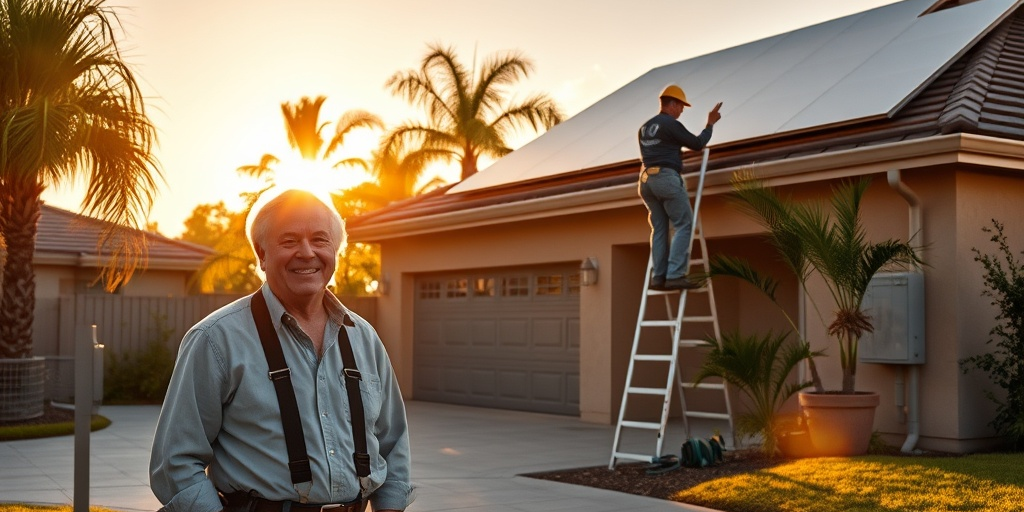
In the world of renewable energy, solar power stands out as a beacon of hope for homeowners looking to harness the sun’s energy. Did you know that, according to the Solar Energy Industries Association, the solar industry has seen an unprecedented growth rate, with over 3 million homes in the U.S. now opting for solar energy (SEIA.org)? Furthermore, in Florida alone, it is estimated that solar capacity will reach 29,047 megawatts by 2025 (SolarReviews.com). As more Florida homeowners consider shifting to solar energy in 2025, understanding the durability and upkeep of solar panels becomes essential. This article, titled A Technical Deep-Dive into Solar Panel Lifespan and Maintenance, will unravel the complexities of solar panel longevity and how proper maintenance can significantly enhance their lifespan.
With rising energy costs and incentives for solar adoption, coupled with the increasing instability of conventional power grids, now is the perfect time to delve deep into solar panel maintenance. Homeowners must pay attention to these details as they make investments in their energy future. This article will guide you through five critical areas: first, we will explore solar panel lifespan and best maintenance practices; second, we’ll tackle misconceptions about solar energy; third, we will provide expert tips for installation; fourth, we’ll share a narrative about a typical Floridian homeowner’s journey; and lastly, we’ll lay down actionable next steps for potential solar buyers in 2025. By the end of this deep dive, you will not only understand the technical aspects of solar panel lifespan and maintenance but also the smart steps you can take to maximize your investment.
Understanding Solar Panel Lifespan and Maintenance
The lifespan of a solar panel is a hot topic among potential users. While solar providers often promise a lifespan between 25 to 30 years, what does that mean in practical terms? Let’s look at a hypothetical case study that discusses a Florida homeowner named Mike who made the switch to solar energy three years ago. Mike had high electric bills due to the Florida sun beating down on his home throughout the summer months. Motivated to cut costs and reduce his carbon footprint, he adopted a solar system comprising 24 panels. Mike was told that his panels should last around 25 years, but he learned that this would depend significantly on maintenance.
To ensure the longevity of his solar panels, Mike took the following steps:
- Regular Cleaning: Dust and other debris can hamper the effectiveness of solar panels. He scheduled cleaning every three to six months.
- Monitoring Energy Output: Mike invested in a solar monitoring system that allowed him to track his energy generation daily, so he could quickly spot any anomalies.
- Professional Inspections: Once a year, he hired professionals to inspect his system, ensuring all components were functioning optimally.
- Warranty and Insurance: Understanding the importance of warranties, he opted for an extended warranty that covered not just the panels but also the inverter and other components.
- Awareness of Weather: Being in Florida, Mike was particularly attentive during hurricane season. He took preventive measures to secure his panels against severe storms.
By implementing these strategies, Mike has been able to maximize the lifespan of his solar system beyond the industry norm, enjoying lower energy costs and contributing to a cleaner environment.
Now, let’s clear up some common myths that surround solar panel longevity.
Myth #1: Solar Panels are Maintenance-Free
Many believe that once solar panels are installed, they don’t require any maintenance. This is false. Regular cleaning and inspection can significantly extend the panels’ life and performance metrics.
Myth #2: Rain is Enough to Clean Solar Panels
It’s a common misconception that rain can wash away any dirt or debris on solar panels. In reality, in places where there is less rain or during periods of heavy dust storms, manual cleaning may be necessary.
Myth #3: All Solar Panels are Equally Durable
Not all solar panels are created equal. Certain brands offer better resistance to weather damage, so understanding the specifications is critical for your investment.
Myth #4: Solar Panel Efficiency Decreases Steadily Over Time
While it’s true that solar panels lose efficiency as they age, the reduction is minimal, typically around 0.5% to 1% per year under proper maintenance (NREL.gov).
Myth #5: Solar Panels Cannot Function on Cloudy Days
Solar panels can still generate power in cloudy conditions, albeit at lower rates. This efficiency ensures you can still save on your electric bills, even during the less sunny months.
With clarity established, it’s crucial to remember that Florida’s weather can be harsh on solar systems. Hail, hurricanes, and even regular thunderstorms challenge the durability of solar installations. However, local incentives through programs like net metering make solar a more viable option (Energy.gov). By strategizing with local solar experts, you can deploy a system tailored to withstand Florida’s unique climate.
Best Practices for Solar Installation in 2025
Bouncing off our previous myths, understanding effective installation methods can lead to prolonged solar panel performance. Here are five expert tips for system installation:
Tip #1: Don’t Skimp on Quality
Choosing high-quality panels from reputable manufacturers can pay off in the long run. Invest in systems that comply with local and national standards to ensure reliability.
Tip #2: Optimize Orientation and Tilt
Panels should be oriented towards the south and tilted at an angle specific to your geography to maximize sunlight exposure. Consultation with a local installer is essential for optimal placement.
Tip #3: Use a Professional Installer
Unless you are experienced in solar installation, it’s advised to use a reliable professional. Poor installation can lead to inefficiencies and might void warranties.
Tip #4: Plan for System Expansion
If you anticipate increasing your energy consumption, install a system that allows future expansion. This foresight can save costs down the line.
Tip #5: Utilize Smart Technology
Investing in smart inverters and energy management systems can enhance performance tracking and efficiency. These devices can monitor energy generation and consumption in real time.
Adhering to these installation best practices in 2025 will set homeowners up for long-term success with their solar investments, ensuring they can enjoy reduced electric bills and greater energy independence.
A Journey Towards Solar: The Sinclair Family
Let’s take a moment to dive into the journey of the Sinclair family, a fictional yet realistic representation of a Floridian home embarking on their solar adventure. Living in Tampa, the Sinclairs were tired of watching their electricity bills rise with each passing summer. With three children and a growing desire for sustainability, they decided to invest in solar energy.
After extensive research, they opted for a 36-panel solar system installed on their roof. They followed these critical steps:
- Research and Understanding: The family spent weeks studying how solar energy works, its benefits, and maintenance requirements.
- Consultation with Experts: Engaging a local solar provider, they tailored their system to meet their energy needs effectively, discussing roof angles and electrical evaluations.
- Incentive Utilization: They took full advantage of federal and state tax incentives helping them to significantly reduce initial costs.
- Regular Maintenance Schedule: They laid out a maintenance plan similar to Mike’s, committing to regular cleanings and inspections.
- Embracing Technology: The Sinclairs installed a home energy management system that integrated with their solar setup, allowing them to optimize energy use.
Through dedication and awareness, the Sinclair family has not only cut their electric bills by 70% but has also fostered a sustainability mindset in their children. Empowered by renewable energy, they envision a brighter future free from reliance on fossil fuels.
Next Steps for Florida Solar Buyers in 2025
Ready to embark on your solar journey? Here are key steps to guide you through the process:
- Step 1: Audit Your Electric Bill – Understanding your energy consumption patterns is crucial. Gather a year’s worth of bills to identify trends.
- Step 2: Consult with Solar Experts – Engage with local solar companies to discuss feasible options for your home or business.
- Step 3: Assess System Requirements – Work with your chosen installer to determine how much solar power you will need and any potential upfront costs.
- Step 4: Explore Financing Options – Investigate available loans, leases, and incentives designed to make solar more affordable.
- Step 5: Don’t Forget Maintenance! – After installation, commit to a maintenance plan ensuring your system operates at peak efficiency.
Implementing this action plan allows Florida homeowners to maximize their investment in solar energy. A commitment to clean, renewable energy not only benefits individual households but uplifts entire communities in harnessing the power of the sun.
Conclusion
As we’ve journeyed through A Technical Deep-Dive into Solar Panel Lifespan and Maintenance, it’s clear that understanding how to maintain solar panels can provide significant benefits to homeowners. The accurate knowledge of longevity, coupled with maintenance best practices and user-centered tales like that of the Sinclair family, ensures you are well-equipped to make informed decisions.
The urgency to switch to solar energy in 2025 is evident. Rising energy prices, combined with government incentives, can lead to substantial savings. Additionally, the impact on future generations and the environment cannot be overstated. As you consider this meaningful transition, take a moment to recall the practical steps we’ve discussed and the common misconceptions we’ve debunked.
Ready to start your solar journey in 2025? Connect with a certified expert at floridaelectricandsolar.com today.
Related Articles
More insights about Solar Panel

Florida Homeowners: Why Solar Panel Maintenance Is Essential

7 Essential Steps for Solar Panel Installation Success

Expert Insights: Key Factors Influencing Solar Panel Lifespan
Ready to Go Solar?
Have questions about solar energy? Our experts are here to help you make the switch to clean, renewable energy.