
Technical Deep-Dive: Understanding Solar Panel Lifespan and Performance
Share:
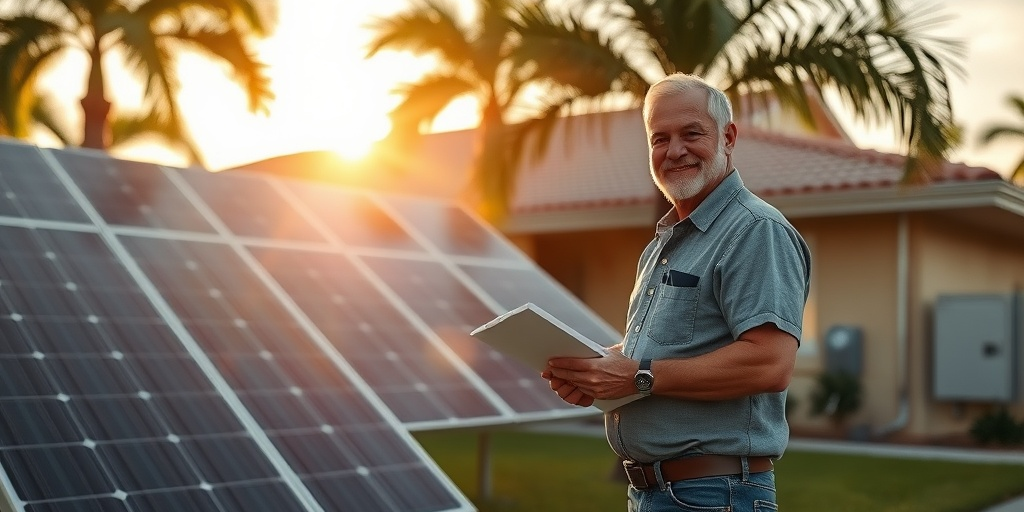
Did you know that the average lifespan of a solar panel is about 25 to 30 years? That’s right! Investing in solar energy not only helps you fight rising electricity costs but also contributes positively to the environment. As more Florida homeowners and commercial property owners consider this eco-friendly way to go green, understanding the intricacies of solar panel lifespan and performance becomes critical. This is particularly true in 2025, as we anticipate even more favorable solar incentives and increasing energy prices. In our blog, titled Technical Deep-Dive: Understanding Solar Panel Lifespan and Performance, we’ll explore how the longevity of your solar investment can have a significant impact on your financial future while debunking myths associated with solar panel efficiency.
Florida plays a crucial role in the solar market, ranking second in the nation for installed solar capacity, with over 3.3 gigawatts of solar power generating clean energy to over 800,000 residences (SEIA.org). The importance of unraveling the performance aspects of solar panels can’t be overstated; by the end of this blog, you will have a comprehensive understanding that allows you to maximize your savings. We’re going to dive into five insightful sections: the lifespan and durability of solar panels, a checklist for selecting the right system, common misconceptions about solar power, localized data specific to Florida, and a deeper technical exploration of the components involved in solar energy systems.
Maximizing Your Solar Investment: The Lifespan and Performance of Solar Panels
When Jennifer, a homeowner from Naples, decided to go solar in 2022, she thought she was just cutting her electric bills with a panel system. Little did she know, understanding the lifespan and performance of her investment would equip her with knowledge to project the profitability over decades. After reviewing her data, we found that solar panels could maintain efficiency rates above 80% after 25 years, meaning she could significantly reduce her energy costs and eventually gain energy independence.
Here’s a checklist of what to look for to understand solar panel lifespan:
- Wattage Rating: Look for panels with higher wattage ratings. This indicates the maximum power they can produce.
- Performance Warranty: Ensure the warranty covers at least 25 years. This indicates a manufacturer’s confidence in their product.
- Durability: Check for certifications such as IEC 61215 and IEC 61730, which indicate a panel’s ability to endure harsh environments.
- Temperature Coefficient: A lower temperature coefficient indicates less energy loss at high temperatures, a crucial factor for Florida homeowners.
- Manufacturer Reputation: Investigate the company’s history and reviews. A reliable manufacturer will have a proven track record for quality products.
Despite what you may have heard, myths surrounding solar technology abound. One major misconception resides in the belief that solar panels significantly degrade after a few years. Myth #1: Solar panels lose 20-30% efficiency within a short timeframe. This is not accurate; most panels experience about a 0.3–0.5% annual depreciation rate. By year 25, you could still see 80% or more efficiency (NREL.gov).
Myth #2: Solar panels require too much maintenance. In fact, solar systems are remarkably maintenance-free, with occasional cleanings and inspections ensuring optimal performance.
Myth #3: Solar panels cannot produce energy during cloudy weather. While sunny Florida maximizes energy production, cloudy days only slightly reduce output; the panels will still generate electricity.
Myth #4: Solar panels lower property value. In reality, homes with solar systems often see a higher resale value, as they provide potential buyers with reduced energy costs and tax incentives.
Myth #5: Solar energy is only for affluent neighborhoods. With increasing incentives and financing options available in Florida, more average homeowners are making the smart move to go solar.
Florida has specific statistics that are indispensable for prospective solar customers. According to a recent report, commercial solar installations in Florida are expected to grow by 20% over the next several years (Energy.gov). Considering this growth, the time to act is now. A well-informed homeowner or commercial property owner can make a significant financial impact over the life of their solar systems, which, considering warranty coverage, could exceed 25 years. The advantage of doing detailed research now cannot be underestimated.
Understanding Florida’s Solar Incentives and Policies
In financial terms, making the switch to solar power is about understanding which incentives are available to you, especially in 2025. First and foremost, Florida has a net metering policy, which allows homeowners to receive credits on their utility bills for excess energy produced by their solar systems. This means that solar homeowners can offset their electricity costs and potentially cover their utility expenses entirely, maximizing savings.
The state also offers a Property Tax Exemption for solar installations, ensuring that the value added to your home does not translate to increased property taxes. This important incentive keeps costs sustainable in the long run. To make the best choice, consider these crucial factors before installation:
- Financing Options: Explore various financing options to find what fits your budget. Residential financing often comes with low or zero down payment requirements.
- State and Federal Tax Credits: With the federal solar tax credit set to expire in 2025, act sooner to maximize savings.
- Incentives for Commercial Properties: Similar to residential properties, a host of commercial incentives are available that can contribute to significant ROI.
Becoming knowledgeable about the policies mentioned can drastically reduce friction during your solar journey. For more information about specific incentives tailored to Florida, visit floridaelectricandsolar.com.
5 Expert Solar Installation Tips for 2025
Implementing effective solar solutions involves understanding not just the products, but the installation process itself. Homeowners often face the daunting task of finding qualified installers. Here are 5 essential tips:
- Don’t skimp on panel selection: While it may be tempting to opt for the lowest priced panels, investing in high-quality modules delivers better returns, ensuring greater energy productivity over the years.
- Choose a reputable installer: Look for installers with established reputations, positive customer reviews, and experience specific to Florida regulations.
- Consider orientation: Ensure your panels are installed at the optimal angle and direction to maximize sunlight exposure.
- Utilize smart technology: Explore the option of smart solar inverters or monitoring systems that can remotely track your energy use and efficiency.
- Think long-term: Assess potential changes in property usage or ownership—understanding your economic strategy long-term can significantly impact decisions.
Statistics indicate that the first 10 years of a solar system’s life often see the greatest energy savings (SolarReviews.com). Engaging an expert who understands unique geographical challenges ensures a smooth transition into solar energy.
A Homeowner’s Journey: Overcoming Obstacles to Solar Adoption
Meet Tom, a naturalist who always knew about Florida’s vast solar potential but held on to misconceptions about the impacts of solar installations. Despite his trepidations, Tom embarked on his quest to go solar. Over time, he discovered that installing solar panels provided more benefits than he had originally anticipated:
- Reduction in energy bills: After installing the panels, Tom saw his monthly electricity bills drop by up to 50%.
- Increased home value: With solar panels installed, his home’s resale value increased significantly compared to homes without solar.
- Environmentally conscious: Tom is now producing clean energy, contributing to a sustainable future.
- Positive community impact: By going solar, he’s influencing neighbors to consider their own installations, creating a ripple effect of solar adoption in his community.
Words of wisdom emerged from Tom’s experience: Understanding your solar investment not only benefits you today but plants the seeds for a sustainable lifestyle for generations to come. Current projections indicate the solar industry will grow significantly in the coming years, with an expected increase in demand for residential installations by 50% in Florida alone (SEIA.org).
Next Steps for Florida Solar Buyers in 2025
Making the decision to go solar is only part of the journey. To ensure success in your solar adventure, here’s a step-by-step checklist to guide you:
- Step 1: Audit your electric bill: Understand your current energy usage to determine the best system size.
- Step 2: Research local incentives: Familiarize yourself with the specific incentives available in your area—from property tax exemptions to federal credits.
- Step 3: Obtain multiple quotes: Gather at least three quotes from reputable solar installers to compare costs, warranties, and financing options.
- Step 4: Understand installation logistics: Prepare for the installation by reviewing how to optimize system performance with your installer.
- Step 5: Stay informed: As policies and technology evolve, commit to staying updated on solar programs, technologies, and regulations that may affect your system.
By taking actionable steps today, you will set yourself up for a rewarding solar future. For additional resources or tips, visit floridaelectricandsolar.com.
In summary, understanding solar panel lifespan and performance is vital to making informed decisions about your solar investments. The insights gained in this article equip Florida homeowners and commercial property owners with the knowledge to navigate the dynamic solar landscape. The urgency of rising energy costs and the shifting policy landscape makes your solar journey even more critical. A well-engineered solar strategy not only brings financial relief but cultivates a healthier planet for future generations.
Ready to start your solar journey in 2025? Connect with a certified expert at floridaelectricandsolar.com today.
Related Articles
More insights about Solar Panel

Florida Homeowners: Why Solar Panel Maintenance Is Essential

7 Essential Steps for Solar Panel Installation Success

Expert Insights: Key Factors Influencing Solar Panel Lifespan
Ready to Go Solar?
Have questions about solar energy? Our experts are here to help you make the switch to clean, renewable energy.