
Technical Deep-Dive: Solar Panel Lifespan and Its Impact on ROI
Share:
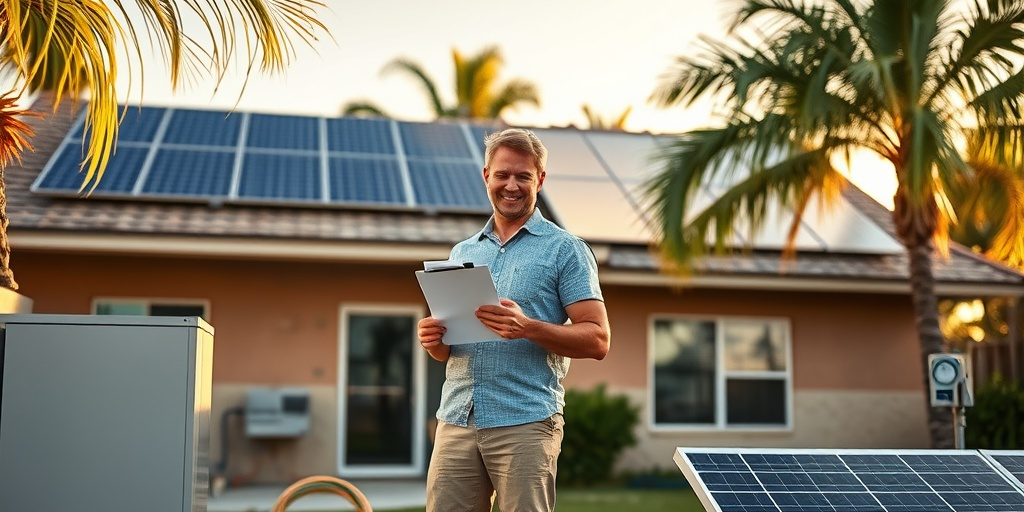
In a world where your energy dollars can disappear faster than a Florida summer rainstorm, understanding your investment in solar energy has never been more vital. Did you know that solar panels have a lifespan of 25 to 30 years? This means that for most Florida homeowners, investing in solar is not just a fleeting trend—it’s a long-term financial decision with real benefits. In the article titled “Technical Deep-Dive: Solar Panel Lifespan and Its Impact on ROI”, we’ll explore the intricate relationship between solar panel lifespan and return on investment (ROI). According to the Solar Energy Industries Association (SEIA), solar has grown to provide more than 3% of the United States’ electricity—a figure that is expected to soar as solar incentives increase in 2025 (SEIA.org). Furthermore, in Florida, homeowners have a unique opportunity to capitalize on excellent solar production characteristics due to abundant sunshine, making the ROI of solar systems even more lucrative.
So why does this matter urgently in 2025? Rising energy costs and grid instability present Florida homeowners with the impetus to seek out alternative energy solutions. Moreover, new solar incentives are emerging that can make solar installation more affordable. As solar power continues to gain momentum, the present moment is ripe for exploration. In this post, we’ll dive into five sections: an angled deep dive into solar panel lifespans, tips to optimize your solar installation, common misconceptions surrounding solar technology, practical local insights, and a structured action plan for homeowners looking to navigate the solar waters in 2025.
Understanding the Lifespan of Solar Panels: More Than Just a Numbers Game
When it comes to solar energy, the lifespan of solar panels is often discussed but not fully understood. Solar panels are designed to withstand harsh conditions, yet potential buyers often worry: “How long will my investment really last?” To illustrate this, consider the story of Maria, a homeowner in St. Petersburg. In 2021, she decided to install solar panels to capitalize on the increasing energy costs and the abundant sunlight in her area. After extensive research, she chose a high-quality solar system with a manufacturer’s warranty of 25 years.
Maria meticulously tracked her system’s performance over time. To her surprise, not only did she reduce her electric bill by 60%, but after three years, her panels still operated at over 95% efficiency. This experience, backed by rigorous research, showcases the importance of understanding solar panel lifespans and what they mean for return on investment (ROI).
The average solar panel lifespan can be broken down into several crucial factors:
- Quality of Materials: Higher-quality panels tend to offer longer lifespans. Standard panels usually last between 25 to 30 years, while higher-tier models can even last longer without significant efficiency drops.
- Environmental Conditions: Florida’s climate presents unique challenges. Though sunny days are abundant, extreme weather events can take a toll. Choosing well-built solar panels designed for durability is essential.
- Regular Maintenance: Regular upkeep can extend panel life. This includes cleaning them and ensuring that no debris blocks sunlight, which can increase wear and tear over time.
According to a report from NREL, properly maintained panels can perform optimally for 40 years or more (NREL.gov). This maintenance also addresses some common misconceptions surrounding solar panel degradation. Consider the following:
- Myth: Solar panels lose efficiency rapidly after the warranty period. In reality, high-quality panels often degrade at a modest rate of about 0.5% per year, which means they can last well beyond their warranty.
- Myth: All solar panels have the same lifespan. Not true! Different manufacturers utilize different technologies and materials, leading to varying lifespans.
- Myth: Solar panel performance only matters in the first few years. Performance consistency over the lifespan is what truly impacts ROI; consistent power output can mean consistent savings.
As we dissect the topic of lifespan further, we can delve into Florida-specific statistics, such as the fact that solar power in Florida has nearly doubled over the last five years and is projected to keep climbing (SEIA.org).
Understanding these factors equips Florida homeowners with the knowledge to make informed decisions, ensuring maximum ROI from their solar investments. Introducing solar power to your home is not merely about installing panels; it’s an ongoing commitment to sustainable living and energy savings.
Next, let’s move on to actionable steps that can help you maximize the longevity and performance of your solar investment.
Maximizing Your Solar Investment: A Five-Step Checklist
Maximizing the lifespan and efficiency of your solar panels is critical, especially in a state like Florida with its distinct weather patterns and abundant sunshine. Here’s a comprehensive checklist to guide you through the essential steps to ensure you’re getting the most out of your solar investment:
- Step 1: Conduct a Home Energy Audit – Before investing in solar, analyze how much energy your household consumes. Opting for energy-efficient appliances and technologies beforehand can increase your ROI.
- Step 2: Choose the Right Solar Installer – Partnering with a reputable, certified solar installer ensures that your system is installed correctly, which directly impacts performance. Research local companies like floridaelectricandsolar.com for trusted services.
- Step 3: Opt for Quality Panels – While affordability is crucial, investing in high-quality solar panels can lead to longer lifespan and better efficiency. Always inquire about warranties and performance guarantees.
- Step 4: Schedule Regular Maintenance – Routine inspections can prevent minor issues from becoming major problems. This includes cleaning the panels, checking for obstructions, and monitoring the inverter’s performance.
- Step 5: Monitor Your Solar Energy Production – Utilize monitoring systems to keep track of how much energy your panels are generating. Spotting dips in production early can save you headaches down the line.
Following this checklist will not only enhance the lifespan of your solar panels but also amplify your overall return on investment. Remember, the right actions today directly correlate with the savings you will see tomorrow.
As we move forward, let’s dispel some common myths surrounding solar energy, contextually tailored for Florida residents.
Debunking Common Solar Myths Among Florida Homeowners
Awareness of misconceptions can empower consumers and help them make better decisions regarding solar investments. By debunking prevalent myths, we can clarify the true state of solar technology. Here are common myths that need addressing:
- Myth #1: Solar panels are only effective in sunny climates. While Florida’s sunny skies create great conditions, solar panels also work in cloudy or rainy weather—just at reduced efficiency. Studies show that panels still produce energy effectively in overcast conditions (SolarReviews.com).
- Myth #2: Solar installations are too expensive. With federal tax credits and state incentives, the costs of solar systems are more manageable than ever. In fact, in 2025, new incentives could reduce the costs for Florida homeowners even more.
- Myth #3: You need to completely rely on solar energy. Hybrid systems work effectively to allow homeowners to draw power from the grid when solar generation is low. This flexibility maximizes comfort and security.
- Myth #4: All solar panels perform the same. The market contains a variety of panels with different efficiencies, warranties, and costs. Researching options can ensure you’re making a smart decision.
- Myth #5: Once panels are installed, you don’t need to worry about them. Regular maintenance can keep your solar system operating at peak efficiency. Periodic check-ups can help identify issues before they become bigger problems.
Understanding and debunking these myths can save Florida homeowners time, money, and stress while navigating their solar journey. Through education, the pathway to solar energy becomes clearer and more attainable.
Now, let’s explore best practices that will optimize your solar installation for the year ahead.
5 Expert Solar Installation Tips for 2025
Installing solar panels is a significant investment, and knowing how to get the best results requires insight and expertise. Here are five key tips to consider when planning your solar installation in 2025:
- Optimize Your Roof Space: Don’t skimp on panel placement; ensure they are situated for maximum sun exposure. Consult your installer about the best orientation and angle to capture the sun’s rays throughout the year.
- Invest in an Inverter with Monitoring Capabilities: Trouble-free energy monitoring can yield rich data, allowing you to track performance and identify issues easily. This is essential for ensuring optimal savings.
- Consider Battery Backups: Pairing batteries with your solar system can provide energy during outages and increase utility independence. In 2025, energy storage options will be more advanced and efficient.
- Understand Local Utility Policies: Familiarize yourself with your utility’s net metering and interconnection rules, as these can impact your total savings and ROI. Local policy variations can significantly affect your returns.
- Don’t Overlook Aesthetics: A well-placed and sleek solar system can boost your home’s curb appeal. Talk with your installer about designs that complement your home.
Putting these tips into practice can make your solar installation more successful and efficient. As the landscape of solar technology advances, adaptability will allow homeowners to capitalize on new opportunities.
Next, we’ll take a deeper look at a fictional homeowner’s journey that illustrates these concepts more vividly.
A Solar Journey: The Story of Tim and Laura in Sarasota
Tim and Laura, a young couple living in Sarasota, always dreamed of becoming energy-independent homeowners. The couple began their solar journey in early 2022, driven by rising electric bills and a commitment to sustainability. They researched how solar panels work, explored different financing options, and attended local workshops to arm themselves with knowledge.
- Initial Hesitations: Tim was apprehensive about the affordability, while Laura worried about the longevity of their investment. Pushing through their doubts, they decided to invest after finding incentives that made their project feasible.
- Selecting the System: They spent ample time vetted multiple installers before settling on a local company known for quality service and top-tier panels. They settled on a robust system that matched their energy efficiency goals.
- Watching for Performance: After installation, Tim installed monitoring software, allowing them to track production in real-time. This inspired excitement as they saw positive returns early on.
- Regular Maintenance: Understanding the importance of panel maintenance, they scheduled bi-annual inspections to keep everything functioning at peak capacity. Their proactive approach ensured a longer lifespan.
- Celebrating Success: Fast forward to 2025, Tim and Laura credit their decision to go solar as a game changer. Not only did they cut their electricity bills in half, but they also contributed to their local community’s sustainable efforts.
Like Tim and Laura, many Florida homeowners are on a similar path to energy independence. Their journey illustrates the transformative impact that renewable energy can have on individuals and the community as a whole. With the right research and strategy, solar can be a fulfilling endeavor that benefits both your wallet and your conscience.
Finally, let’s outline actionable steps for Florida homeowners looking to invest in solar in 2025.
Next Steps for Florida Solar Buyers in 2025
Investing in solar energy is an exciting step toward sustainability and energy independence. If you’re considering taking this plunge, here’s a practical checklist to get you started:
- Audit Your Electric Bill: Understanding your current energy consumption is crucial. Track your usage over the past year to gauge how many panels you may need.
- Research Financing Options: Explore loan, lease, and cash options. Look into state and federal tax credits available in 2025, as they can dramatically change your financial landscape.
- Consult a Solar Expert: Make an appointment with trusted professionals like floridaelectricandsolar.com to discuss your energy goals and get an estimate based on your needs.
- Assess Local Policies: Familiarize yourself with your county or city’s policies regarding solar installations and incentives. This can help you leverage available programs effectively.
- Finalize Your Installation: Choose a qualified installer and get excited—the process is underway! Prepare for an energy-efficient future with your new solar system.
By actively pursuing these steps, you’ll be better equipped to make an informed and impactful decision about solar energy in 2025.
In conclusion, understanding the lifespan of solar panels and its impact on ROI is crucial for homeowners across Florida. We’ve explored the technical aspects, debunked myths, shared practical tips, and crafted a journey story to inspire. It’s clear that making the switch to solar is a transformative decision—not just for your electricity consumption but for a brighter, sustainable future as well.
Ready to start your solar journey in 2025? Connect with a certified expert at floridaelectricandsolar.com today.
Related Articles
More insights about Solar Panel

Florida Homeowners: Why Solar Panel Maintenance Is Essential

7 Essential Steps for Solar Panel Installation Success

Expert Insights: Key Factors Influencing Solar Panel Lifespan
Ready to Go Solar?
Have questions about solar energy? Our experts are here to help you make the switch to clean, renewable energy.