
Technical Deep-Dive: The Basics of Solar Panel Lifespan
Share:
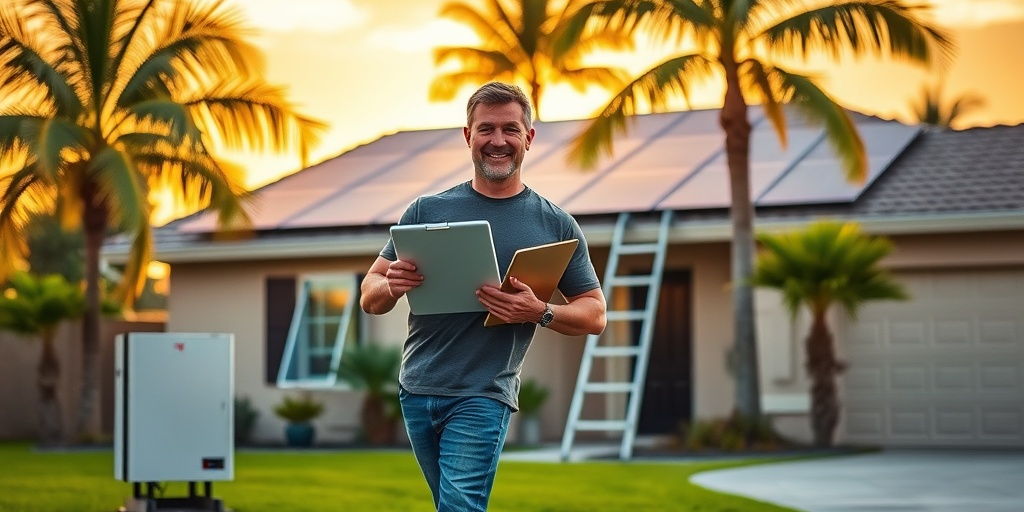
Imagine this: you’ve just installed a solar power system in your Florida home, and the first electricity bill arrives. To your surprise, it’s dramatically lower than ever before, and you feel a rush of satisfaction, knowing you’re now part of the solution to rising energy costs. But how long can you expect this solar investment to last? Welcome to our Technical Deep-Dive: The Basics of Solar Panel Lifespan. This article will provide you with an in-depth understanding of the lifespan of solar panels, helping you make an informed decision about your investment. Did you know that most solar panels are designed to last between 25 to 30 years? This also aligns with findings that the efficiency of solar panels degrades approximately 0.5% to 1% per year (SEIA.org). With the increasingly complex challenges of energy usage and stability in 2025, knowing how to enhance your investment’s durability is more important than ever. In this post, we’ll explore five essential sections: understanding the lifespan of solar panels, debunking common myths, best installation practices, a case study, and creating an action plan for Florida homeowners looking to invest in solar energy.
Understanding the Lifespan of Solar Panels
Understanding the lifespan of solar panels is not merely a technical curiosity; it’s a crucial factor in deciding whether to go solar. In sunny Florida, where many homeowners are turning to renewable energy sources, it’s important to be fully informed about your options. Let’s dive into a rich case study: the journey of the Sanchez family from Jacksonville, Florida. After moving into their newly built home, they quickly discovered that their energy bills were sky-high. With rising electricity costs in Florida averaging around 2.5% annually over the past decade, they decided to install a solar energy system. Their research led them to explore the estimated lifespan of solar panels and what factors could affect performance.
1. **Factors Affecting Lifespan**: The lifespan of solar panels generally ranges between **25-30 years**. However, this can vary based on several factors.
- Quality of Materials: High-quality panels typically last longer.
- Installation Quality: Proper installation techniques mitigate risks of damage.
- Environmental Conditions: Florida’s intense sun and humidity can impact longevity—yet, advancements in technology are enhancing durability against these challenges.
Only in the past few years did advancements lead to the creation of panels that withstand extreme weather better, including hurricanes and tropical storms, which are crucial in Florida (SolarReviews.com).
2. **Myth-Busting**: A common myth is that solar panels are fragile and will be completely nonfunctional after their warranty period. However, data indicates that most panels produce energy efficiently long after they have “technically” expired (Energy.gov). Taking care of your panels through regular maintenance and cleaning can also extend their life. Many homeowners don’t realize that a simple cleaning can result in a substantial performance increase.
3. **Local Insights**: In Florida, there have been significant pushes for solar incentives, with the state offering tax credits and rebates that benefit homeowners who decide to switch. According to a recent report, local regulations have become more favorable, making it a lucrative time to invest in solar energy (NREL.gov).
4. **Technical Overview**: Solar panel technology is continually evolving. Most residential panels utilize **monocrystalline silicone**, but new innovations include **bifacial technology** and **thin-film** options, which have different lifespans. Monocrystalline panels typically have a higher efficiency rate and longer lifespans, making them suitable for Florida homeowners looking to capitalize on solar energy in limited rooftop space (DSIREUSA.org).
By understanding these factors, you empower yourself to make informed decisions, which will lead to enhanced durability and energy savings over time. With advancements shifting rapidly, the lifespan of solar products is more relevant than ever for homeowners. This information not only helps in your decision-making but also in safeguarding your investment.
Checklist for Solar Panel Lifespan Maximization
Ready to maximize your solar system’s lifespan? Below is a targeted checklist you can follow to ensure you’re getting the most out of your investment.
- Step 1: Choose Quality Panels – Always opt for reputable manufacturers with longer warranties since quality materials generally last longer.
- Step 2: Professional Installation – Ensure you hire experienced installers to reduce the risk of future issues.
- Step 3: Regular Maintenance – Schedule cleanings and inspections at least once a year to ensure optimal performance.
- Step 4: Monitor Performance – Use monitoring systems to track energy output to quickly identify possible issues.
- Step 5: Stay Informed – Keep up-to-date with industry advancements and technology to leverage any benefits.
By following this checklist, you’ll be prepared to safeguard your solar investment. In addition, utilizing resources such as floridaelectricandsolar.com can help streamline your search for quality installations and maintenance services across Florida.
Debunking Common Solar Myths
It’s time to clear the air about some common misunderstandings surrounding solar panels. This will empower you with the facts you need to make an educated decision about your investment in renewable energy.
- Myth #1: Solar Panels Become Inefficient After 25 Years – The truth is, most solar panels begin to degrade in efficiency but can still produce 80% of their initial output even after 25 years (Energy.gov).
- Myth #2: You Can’t Use Solar Power on Cloudy Days – While solar panels do perform best in full sun, solar technology can still generate electricity with indirect sunlight and cloudy conditions typical in Florida.
- Myth #3: Solar Panels are Too Expensive – With significant state incentives and decreasing panel costs, roof-mounted systems provide an excellent return on investment over time.
- Myth #4: You Can’t Install Solar Panels if You’re Not Homeowners – There’s a rising trend of solar leasing options, allowing renters and non-homeowners to benefit from solar energy.
- Myth #5: All Solar Panels Look Ugly – Modern solar panels come in various designs and aesthetics that blend well with roofs and can enhance your home’s curb appeal.
By demystifying these common solar myths, homeowners can approach their solar installations with clear expectations, ultimately enhancing their experience and investment. There’s a wealth of benefits to be gained by switching to solar energy, providing you empower yourself with knowledge!
5 Best Practices for Solar Installation in 2025
As we move into 2025, it’s crucial to ensure that your solar panels are installed efficiently and sustainably. Here are five best practices to keep in mind as you prepare to transition to solar energy.
- 1. Optimal Panel Placement – Don’t skimp on where you place your solar panels. Look for unshaded areas facing south to maximize exposure to sunlight.
- 2. Invest in a Battery System – A rechargeable battery can store excess energy during the day for later use, significantly enhancing sustainability.
- 3. Regular Monitoring – Utilize apps or monitoring systems to keep track of energy production and spot inefficiencies early on.
- 4. Leverage Local Incentives – Be sure to check local Florida incentives and tax credits that can significantly reduce installation costs.
- 5. Choose the Right Technology – Investigate the benefits of newer solar technologies like bifacial panels, which can increase efficiency and longevity.
Each of these practices will not only contribute to a more sustainable energy usage but will also work towards increasing your solar panel system’s lifespan. Harnessing solar energy isn’t just an economic decision—it’s an investment in our planet’s future.
The Solar Energy Journey of the Martinez Family
In a quiet neighborhood in Orlando, Florida, the Martinez family had been contemplating going solar for years. After researching options and understanding potential savings, they finally took the plunge. The installation process revealed the broader community’s commitment to sustainable energy—a trend that’s been rapidly growing across Florida in 2025. Here’s a look into their journey:
- Research Phase: After various consultations, the family understood the environmental and financial benefits of solar energy.
- Installation Day: They were thrilled to see their panels installed. They documented the whole process, including installation tips they learned from their installers.
- First Bill Surprise: After the first month, their electric bill was slashed by over 60%. The children rejoiced at the savings, indirectly benefiting from a greener planet.
- Maintenance and Performance Monitoring: They set up a monitoring system that allowed them to easily track their savings and solar energy production daily. They invested readily in a maintenance plan that included inspections and cleaning, keeping their systems running optimally.
The Martinez family’s journey reflects not just personal benefits but also a growing movement in Florida where more residents are adopting sustainable energy solutions to combat rising energy costs and environmental concerns. This success story is backed by recent data showing that homes with solar energy systems can see a 15-20% increase in property value (NREL.gov).
Next Steps for Florida Solar Buyers in 2025
So, you may be wondering, “What are the next steps?” Here is an actionable plan to prepare for your solar transition.
- Step 1: Audit Your Electric Bill – Understanding your current usage will help you design a system tailored to your needs.
- Step 2: Research Local Incentives – Fully investigate which state, local, or federal incentives apply to your situation. These can drastically alter the financial outlook of your investment.
- Step 3: Consult with Experts – Speak to solar consultants who specialize in Florida systems; they can provide tailored information and additional resources about financing options.
- Step 4: Schedule Your Installation – Choose a trusted installer with solid local references and check their warranties to ensure your system’s longevity.
- Step 5: Monitor and Maintenance Planning – Arrange for routine inspections and maintenance; a good routine helps enhance performance life.
By diligently following these steps, you can ensure a smooth, informed transition into solar living. Don’t hesitate to access comprehensive resources at floridaelectricandsolar.com to make the process seamless.
In conclusion, understanding the lifespan of solar panels is key to maximizing your investment and enjoying the countless benefits associated with solar energy in Florida. As demonstrated through the stories and data provided in this comprehensive guide, investing in solar energy is not just a financial decision; it’s an opportunity to lead the charge for a sustainable future. Remember, going solar is a step towards energy independence, reduced monthly expenses, and environmental protection. If you’re ready to start your solar journey in 2025, connect with a certified expert at floridaelectricandsolar.com today.
Related Articles
More insights about Solar Panel

Florida Homeowners: Why Solar Panel Maintenance Is Essential

7 Essential Steps for Solar Panel Installation Success

Expert Insights: Key Factors Influencing Solar Panel Lifespan
Ready to Go Solar?
Have questions about solar energy? Our experts are here to help you make the switch to clean, renewable energy.