
Technical Deep-Dive: Understanding Solar Panel Maintenance for Longevity
Share:
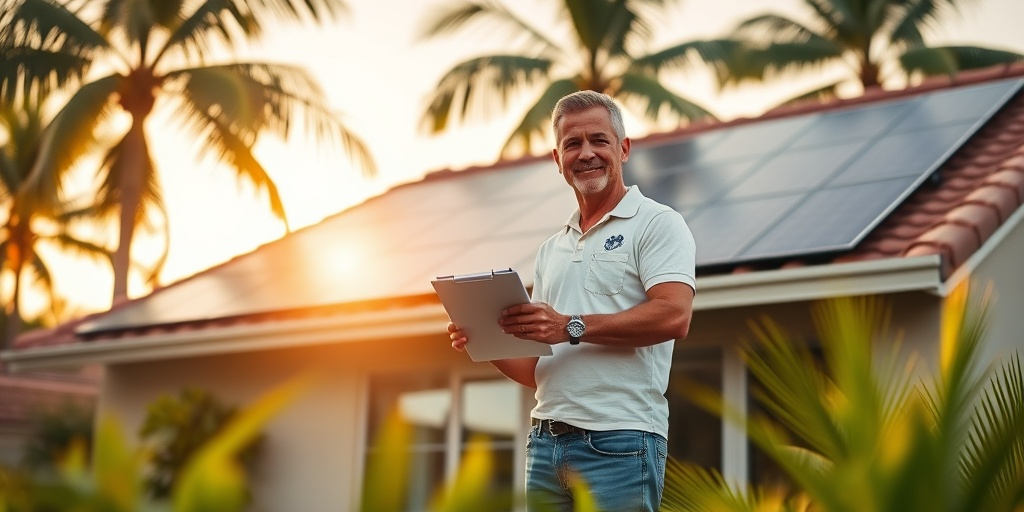
Imagine this: you’ve just made the leap into solar energy, investing in a system to power your home and reduce your carbon footprint. With the sun-drenched skies of Florida promising abundant energy, your solar panels seem like a dream come true. But then a question nags at you—how can I ensure that these panels last for decades, maximizing their efficiency and my investment? In the monumental journey of transitioning to solar, understanding solar panel maintenance is not just an afterthought; it’s a necessity. This is the focus of our article, titled Technical Deep-Dive: Understanding Solar Panel Maintenance for Longevity, where we delve into the critical role of maintenance in enhancing the lifespan of solar systems.
According to the Solar Energy Industries Association, solar energy is projected to supply about 20% of U.S. electricity by 2030, a significant increase within just the next five years (SEIA.org). Florida stands at the forefront of this solar revolution, with sunny conditions that can produce more energy than most states. Yet, many homeowners remain unaware that regular maintenance can potentially increase energy production by 30% or more (SolarReviews.com). As we move into 2025, with rising energy costs and new solar incentives blossoming, ensuring that your solar panels are well-maintained is critical to not just saving money, but securing your energy independence.
Throughout this comprehensive exploration, we will cover five essential sections: first, a rich case study analyzing the maintenance journey of a Florida homeowner who has faced challenges and triumphs; second, a practical checklist of actionable steps for maintaining solar panels; third, a myth-busting segment to clarify common misconceptions about solar panel care; fourth, a local focus sharing specific Florida statistics and regulations that impact panel maintenance practices; and fifth, a technical deep-dive exploring the intricacies of solar technologies and the importance of skilled maintenance interventions.
Section 1: Solar Panel Maintenance Case Study
Meet Ella, a Florida homeowner who decided to make the switch to solar energy in 2020. Living in the sunny state, she was excited about reducing her electricity costs and contributing to a more sustainable future. However, as the months passed, Ella noticed her energy bills weren’t decreasing as significantly as she had hoped. Having read about solar maintenance, she soon discovered that the performance of her solar panels relied heavily on regular upkeep.
Eager to gain insight, Ella conducted research and learned that solar panels typically require minimal maintenance, but neglecting them could affect efficiency dramatically. She discovered that even minor issues, such as dirt accumulation and shaded areas, could reduce power output (NREL.gov). This fact quickly became a part of her maintenance routine, and she found actionable steps that changed her approach:
- Regular Cleaning: Ella started cleaning her panels at least twice a year by hosing them down to remove dust and debris. This simple action was found to improve efficiency by up to 25% (Energy.gov).
- Visual Inspections: Each month, she conducted visual checks to identify signs of damage, such as cracks, which needed immediate attention.
- Professional Inspections: Ella opted for an annual professional solar system inspection, finding a hidden issue that could have reduced her system’s performance by up to 40% had it gone unresolved.
Through consistent and intentional maintenance, Ella turned her initial frustrations into successes. By understanding the critical aspects of maintenance, she maximized her solar power generation, illustrating the importance of empowerment through education and diligence. Building on her experience, let’s break down a checklist on how you, too, can maintain your solar investment effectively.
Section 2: Solar Panel Maintenance Checklist
Ready to ensure the longevity of your solar system? Follow this actionable maintenance checklist!
- Step 1: Clean the Panels Regularly – Aim for a biannual cleaning every spring and fall. This routine will enhance efficiency, as buildup of dirt and grime can account for decreased power generation.
- Step 2: Inspect for Debris – Monthly checks for nearby trees or structures that could create shading help keep your panels in optimal condition.
- Step 3: Monitor Performance – Use your inverter’s monitoring software to track system performance regularly. Unexplained drops in production often signal underlying issues that require urgent attention.
- Step 4: Professional Inspections – Schedule an annual professional inspection to address hidden issues or much-needed repairs. This is vital to keeping your warranty active and your panels running efficiently.
- Step 5: Familiarize Yourself with the Warranty – Understand what your warranty covers concerning maintenance. Knowing which components require regular testing can help you avoid voiding your investment.
Having established this checklist, it’s important to clarify some common myths surrounding solar panel maintenance, as misconceptions often lead homeowners astray. Let’s explore these widely held beliefs.
Section 3: Solar Maintenance Myth-Busters
Debunking myths about solar panel maintenance can greatly aid in creating informed decisions about your investment!
- Myth #1: Solar Panels Don’t Need Maintenance – While solar panels are designed to be durable, they do require care. Routine maintenance ensures efficiency and can extend the lifespan of the system (Energy.gov).
- Myth #2: Rain Will Keep My Panels Clean – While rain helps, it isn’t adequate in areas where dust and pollen are prevalent. In fact, excessive rain can lead to algae growth, negatively affecting performance.
- Myth #3: All Panels Require the Same Maintenance – Different panels have different maintenance requirements based on their design and manufacturer’s recommendations. Always refer to your warranty for specific maintenance needs.
- Myth #4: Professional Maintenance is Too Expensive – An annual inspection can save homeowners from costly repairs in the long run, as early detection of issues can mitigate potential damages.
- Myth #5: Solar Panel Maintenance is Time-Consuming – Most maintenance tasks are quick and can be easily integrated into your home care routine, providing significant returns on your investment.
Arming yourself with accurate information about solar maintenance helps ensure your energy production remains optimized. Next, let’s focus on some essential best practices specifically relevant here in Florida.
Section 4: Local Focus on Florida Solar Maintenance
In Florida, solar panel maintenance requires attention to specific local conditions.
Due to the humid climate of Florida, it’s crucial to be mindful of mold and algae growth on solar panels. Regular cleaning helps combat these issues. According to the Florida Solar Energy Center, panel performance can decline by as much as 20% in the humid coastal regions if not addressed (FSEC.org). Here are four essential practices tailored specifically for Florida homeowners:
- 1. Watch for Wildlife: Florida’s unique fauna can pose challenges. Birds, squirrels, and lizards are known to create nests or debris that can affect panel performance. A quick monthly inspection can help catch these issues early.
- 2. Consider Weather Effects: With storm season impacting the region, secure panels against strong winds by ensuring mounting systems are tightly anchored. After a storm, inspect for damage to guarantee ongoing efficiency.
- 3. Anti-Reflective Coatings: Some solar products now incorporate anti-reflective coatings, decreasing buildup from humidity and reducing maintenance frequency.
- 4. Utilize Local Professionals: Engage with local solar experts knowledgeable about the Florida climate and regulations to ensure that maintenance aligns with community standards and best practices.
Now that we’ve delved into maintenance tailored to Florida, let’s explore the nuances of solar technology that underpin efficiency and longevity, shedding light on what homeowners should grasp.
Section 5: Technical Deep-Dive into Solar Technologies
Understanding the components of your solar system elevates the importance of maintenance.
At the heart of solar energy systems are three essential components: solar panels, inverters, and batteries. Each part requires specific attention to ensure they function optimally.
- Solar Panels: Regular cleaning and inspection prevent debris from obstructing sunlight. This routine not only aids efficiency but prolongs the durability of the panels themselves, which can last 25 years or more with adequate care (NREL.gov).
- Inverters: Inverters convert the sunlight captured by solar panels into usable energy. Monitoring their performance regularly can prevent costly repairs, as they can fail without warning, leading to decreases in power generation.
- Batteries: For systems with energy storage, batteries need special attention. Proper monitoring ensures that battery life is maximized and capacity isn’t wasted due to neglect.
Understanding these systems allows homeowners not only to appreciate their investment but also to see the correlation between proactive maintenance and increased energy independence.
As we move towards the future, let’s review how you can implement an action plan regarding solar care that will pave the way for your solar success.
Next Steps for Florida Solar Buyers in 2025
Smart planning leads to solar success! Here’s a checklist of actionable steps you can take to future-proof your solar investment:
- Step 1: Audit Your Electric Bill – Track your electricity consumption patterns to evaluate the savings your solar system generates. Understanding your baseline allows for better monitoring of solar performance.
- Step 2: Research Local Solar Providers – Find reputable solar companies in your area, ensuring their expertise aligns with your specific solar needs. Professional support is crucial for lasting benefits.
- Step 3: Schedule Your Maintenance – Create a calendar for routine cleanings and inspections. Doing so establishes accountability and ensures you remain committed to care.
- Step 4: Stay Informed about Local Incentives – Energy policies evolve, and new incentives may significantly lower the cost of installation or maintenance. Regularly check floridaelectricandsolar.com for updates that can benefit you.
- Step 5: Build a Community of Solar Advocates – Connect with fellow Florida solar owners through local groups or online communities. Sharing experiences and tips fosters a greater understanding of collective challenges and successes.
In conclusion, understanding and implementing solar panel maintenance is crucial for every Florida homeowner looking to maximize their solar investment as we step into 2025. From cleaning and inspections to debunking myths and tailoring strategies to the local climate, effective maintenance strategies empower you to maintain efficiency and longevity in your system. Beyond cost savings, solar energy represents a transformative leap towards sustainability and energy independence for you and your family.
Ready to start your solar journey in 2025? Connect with a certified expert at floridaelectricandsolar.com today.
Related Articles
More insights about Solar Panel

Florida Homeowners: Why Solar Panel Maintenance Is Essential

7 Essential Steps for Solar Panel Installation Success

Expert Insights: Key Factors Influencing Solar Panel Lifespan
Ready to Go Solar?
Have questions about solar energy? Our experts are here to help you make the switch to clean, renewable energy.