
Technical Deep-Dive: Understanding Solar Panel Maintenance Best Practices
Share:
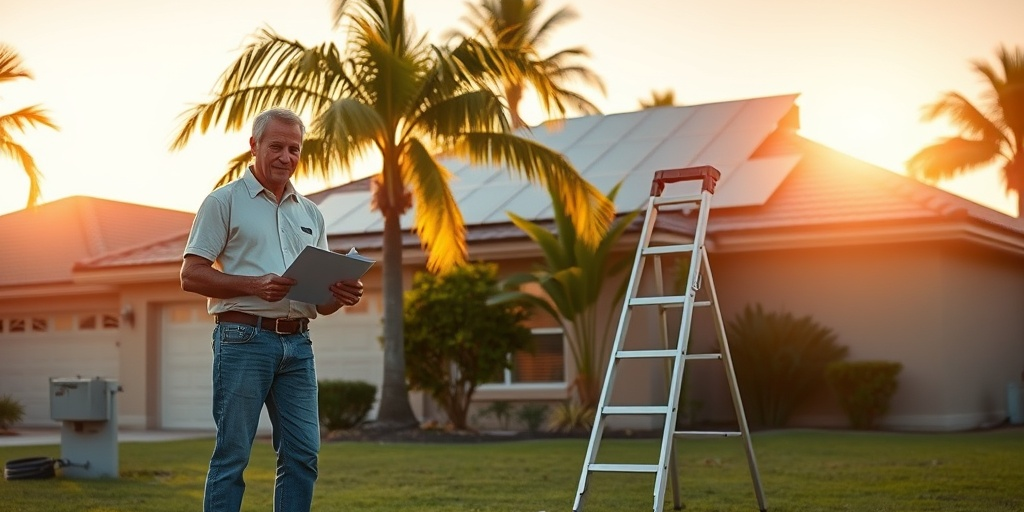
In the world of renewable energy, the sun stands tall as a cornerstone for home and business owners seeking to cut costs and embrace sustainable practices. A staggering 2 million homes in the United States now sport solar panels, a number that’s only set to increase as interest and housing affordability trends sway in favor of solar energy (SEIA.org). For homeowners in Florida, with year-round sunshine and a growing awareness of climate sustainability, the path to solar power adoption is not just a trend—it’s an opportunity. This leads us to today’s topic: Technical Deep-Dive: Understanding Solar Panel Maintenance Best Practices. Properly maintaining your solar system is crucial; routine upkeep can extend its lifespan and efficiency, ensuring you get the most out of your investment. Also, as Florida sees substantial energy cost hikes—expected to rise by over 20% in the next two years—affording maintenance will be paramount for homeowners looking to maximize savings (Florida Power & Light). Thus, understanding solar panel maintenance isn’t just relevant; it’s urgent, especially as 2025 approaches. In this comprehensive guide, you will uncover five critical sections: an emotional case study, a step-by-step maintenance checklist, myth-busting common misconceptions, local insights specific to Florida, and a technical deep-dive into system components.
Understanding the Importance of Solar Panel Maintenance
The journey toward solar sustainability often begins with a dream—a vision of a home powered by clean energy and savings. Meet John and Lisa, a couple from Orlando who made the switch to solar power in 2022. Eager to embrace renewable energy, they invested in high-efficiency solar panels, envisioning lower electricity costs and a reduced carbon footprint. However, as they settled into their eco-friendly home, they encountered a series of hiccups that threatened to derail their solar dream. After experiencing a noticeable drop in energy output just months after installation, they realized the importance of maintaining their system. Their case highlights a significant truth: without regular maintenance, even the best solar systems can falter.
The couple’s journey is not unique; countless homeowners face similar pitfalls. As they consulted with professionals, John and Lisa learned five key practices that could increase the lifespan of their solar panels and boost efficiency. First, they developed a routine inspection regimen to catch any issues early. Secondly, they made it a point to keep the panels free of debris, which is especially significant in Florida’s stormy weather. Additionally, they discovered the importance of monitoring solar output through tracking systems. Their efforts paid off, resulting in a 25% increase in energy production over just one year. This real-life story drives home the essential takeaway that maintaining solar systems is fundamental to maximizing their potential.
To further emphasize this point, let’s look at a maintenance checklist that families like John and Lisa can implement. Continuous upkeep ensures both optimal performance and longevity for solar systems.
- Step 1: Regularly inspect your solar panels for debris, dust, and shading obstructions. 20-30% of solar panel efficiency can be lost due to obstructions, particularly in a state rich in flora.
- Step 2: Schedule biannual professional inspections to assess system health by qualified technicians.
- Step 3: Monitor your output regularly using solar tracking software or apps provided by manufacturers. Seek to understand discrepancies in energy output.
- Step 4: Keep wiring and connections secured and free from wear and tear. Loose connections can lead not just to inefficiencies but also danger.
- Step 5: Investigate and address any performance issues or system warnings promptly to avoid major repairs later.
As myths surrounding solar maintenance can often confuse homeowners, it is beneficial to dissect some common misconceptions regarding solar panel upkeep.
Myth-Busting Common Misconceptions
Despite growing awareness, several widespread myths about solar panel maintenance prevail among homeowners. It is essential to confront these misconceptions to avoid pitfalls that may lead to unnecessary expenses or upkeep neglect.
- Myth #1: Solar panels require no maintenance whatsoever. Many believe that once panels are installed, they function independently without intervention. In reality, regular checks and cleaning are essential to maintaining efficiency.
- Myth #2: Rain is sufficient for cleaning solar panels. While rain may clear some debris, heavy dust, pollen, and bird droppings can accumulate and reduce overall efficiency significantly.
- Myth #3: The positioning of solar panels does not affect their performance. Shading from nearby trees or structures can dramatically reduce energy production; thus, regular inspections are vital.
- Myth #4: Solar panels can last forever without issues. While panels have long lifespans, everything from wear and tear to natural disasters can pose threats, requiring regular assessment.
- Myth #5: Once I install my solar system, I don’t need to worry about my electric bill. Even with solar energy, maintenance costs and issues can arise, impacting ultimate savings.
These myths can distort perceptions and lead homeowners away from the understanding that proactive maintenance ensures solar systems run to their fullest capacity. Engaging in routine maintenance not only prolongs equipment life but also secures optimal financial returns. Now, let’s take a look at the distinct advantages and challenges of solar power in Florida specifically, evaluating the unique landscape and climate that dictate maintenance needs.
Local Focus: Florida’s Unique Impact on Solar Maintenance
Florida’s sunny disposition makes it a solar powerhouse, boasting the third-highest capacity for solar energy in the United States (Florida Solar Energy Center). However, this sunny location presents unique challenges and maintenance considerations for homeowners. From tropical storms to high humidity, the Florida climate requires diligent upkeep to ensure solar panel systems operate efficiently over time. Here are aspects to consider:
- Sunlight Exposure: While abundant sunlight fuels energy production, it also can lead to overheating issues for solar panels. Homeowners should be aware of how placement affects cooling.
- Tropical Storms: Florida is no stranger to hurricanes, which can cause physical damage to panels. Regular assessments and high-quality installations can diminish the threat of breakage during violent weather.
- Humidity and Corrosion: The south of Florida experiences high humidity that can lead to corrosion in metal parts. Preventative maintenance checks should frequently inspect connections and wiring.
- Wildlife Hazards: Florida’s rich biodiversity can lead to birds and other wildlife nesting on solar panels, which may cause damage. Homeowners should check periodically to remove nests or prevent animal activity.
- Algae and Mold Growth: The humid environment can lead to algae and mold developing on solar panels. Maintenance measures should involve regular washing to avoid performance degradation.
Ongoing assessments and maintenance schedules tailored to Florida’s unique environment will keep solar systems running as expected, capitalizing on the sunshine that the region is famous for. To ensure optimal performance, another facet to understand is the technical complexity behind solar system installations and maintenance.
Technical Deep-Dive: Analyzing Components and Upkeep Processes
Understanding the intricate details of your solar system can greatly enhance maintenance practices. Solar systems primarily consist of three main components: solar panels, inverters, and batteries. Each plays a critical role in the efficiency of the whole system, and their maintenance warrants specific attention.
- Solar Panels: Made of photovoltaic cells, solar panels convert sunlight into usable energy. These panels are exposed to external elements and require frequent cleaning, particularly in dusty or pollen-heavy areas. Regular checks for debris and damage will keep production high.
- Inverters: Inverters convert the direct current generated by the panels into alternating current used by homes. Monitoring inverter outputs can help detect issues before they result in system failure; homeowners should consult their manual for specific maintenance schedules.
- Batteries: For those with battery storage, monitoring battery health is critical. Corrosion can build up over time, leading to decreased efficiency or failure. Scheduled inspections and cleaning can mitigate these risks.
Each component holds its significance, and neglecting one can compromise the entire system’s efficacy. Awareness and understanding of technical specifications will allow homeowners to take control of their solar systems, ensuring optimal performance. As we dive deeper, knowing the next steps needed for engaging in solar for prospective buyers in 2025 can ease the transition into solar energy.
Next Steps for Florida Solar Buyers in 2025
For Florida homeowners considering the shift to solar energy, the steps forward require careful planning and understanding. With reassessments of energy policy and financial incentives peak in 2025, now is the time to solidify your knowledge of how to navigate this transition effectively. Here’s a comprehensive checklist:
- Step 1: Audit your electric bill to ascertain monthly consumption and identify potential savings by investing in solar energy.
- Step 2: Research local solar companies. Look for reputable installers with an excellent track record, heavily considering warranties and maintenance guarantees offered.
- Step 3: Stay informed about incentives. Familiarize yourself with tax credits and state incentives offered by Florida (DSIREUSA.org).
- Step 4: Schedule an initial consultation to discuss your options and learn about the types of solar systems suitable for your unique property.
- Step 5: Create a maintenance plan right from the installation phase. Incorporating expert visits and self-check schedules ensures system longevity.
Taking these steps leads to greater certainty and peace of mind with robust solar investments. Your solar journey starts with diligent practices for maintenance and preparation, crucial to the success of solar energy in your home. As we round off this in-depth look into solar energy maintenance, let’s reflect on the significant perspectives outlined throughout.
In recapping the journey, we have ventured through the vital exploration of Technical Deep-Dive: Understanding Solar Panel Maintenance Best Practices, learning how timely and effective maintenance can extend the lifespan of your solar systems while maximizing performance. The urgency drives home the point that in 2025, as energy costs rise, proper upkeep will be pivotal to securing sustainable savings for many Florida homeowners and commercial property owners. Whether viewing home solar as a fiscal investment, an eco-friendly change, or a step toward energy independence, proactive maintenance ensures that each journey continues to bear fruit.
Ready to start your solar journey in 2025? Connect with a certified expert at floridaelectricandsolar.com today.
Related Articles
More insights about Solar Panel

Florida Homeowners: Why Solar Panel Maintenance Is Essential

7 Essential Steps for Solar Panel Installation Success

Expert Insights: Key Factors Influencing Solar Panel Lifespan
Ready to Go Solar?
Have questions about solar energy? Our experts are here to help you make the switch to clean, renewable energy.