
What Are the Top Benefits of Solar Panel Installation?
Share:
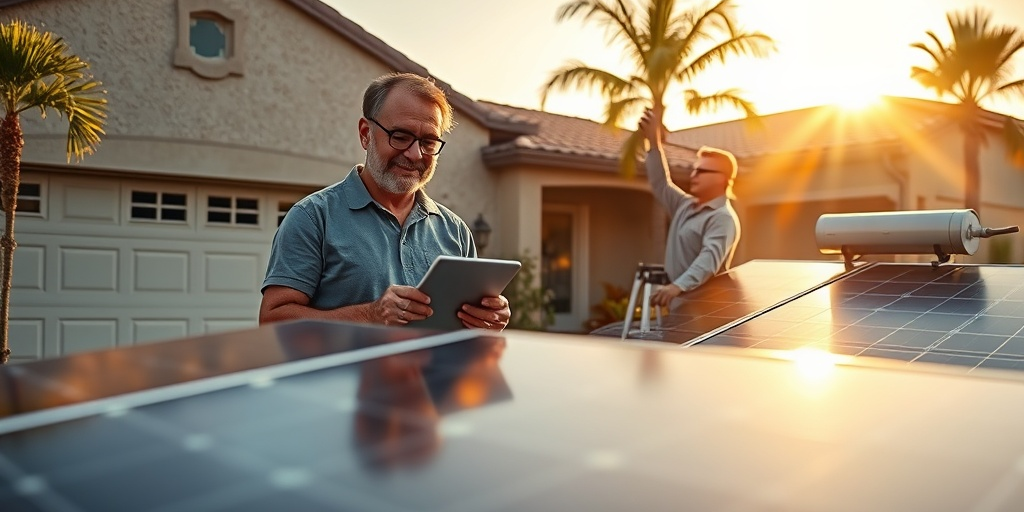
When it comes to saving money and increasing energy independence, nothing quite compares to solar power. In fact, a study by the Solar Energy Industries Association revealed that solar installations have tripled in Florida over the last decade, making it one of the top states for solar energy in the United States. Another study indicated that homeowners who install solar panels can save an average of $17,000 on their energy bills over 20 years. In light of these compelling statistics, you may find yourself asking: What Are the Top Benefits of Solar Panel Installation? This blog post is designed to highlight not only the financial savings but also the environmental and emotional benefits of going solar, particularly in 2025. With rising energy costs, advancements in solar technology, and new incentives for homeowners, understanding these benefits has never been more urgent. Over the next few sections, we’ll explore tips and myths surrounding solar panel installation, provide actionable steps for a smooth installation process, showcase a local case study, and offer you a roadmap to make your solar transition seamless and rewarding.
Section 1: The Transformative Impact of Solar Energy
Imagine John and Sarah, a couple living in Miami, who made the leap to install solar panels in early 2025. Within months, they noticed a significant drop in their electric bills, even during the peak summer months when air conditioning usage skyrocketed. This impactful decision not only helped them financially but also gave them the peace of mind that comes with energy independence. With Florida’s average electricity rates expected to increase by 20% over the next five years, John’s caution was well-placed. What initially seemed like a significant investment soon turned into financial security, environmental benefits, and a stronger sense of community responsibility.
1. **Checklist for Solar Panel Installation**
- Step 1: Audit your energy consumption. Understanding your current electricity usage will give you an idea of the system size you’ll need.
- Step 2: Research local solar incentives. Florida offers various tax exemptions and rebates that can significantly reduce your upfront investment.
- Step 3: Choose a reliable solar provider. Look for companies with excellent reviews—consider Florida Electric & Solar for your needs.
- Step 4: Get multiple quotes and compare systems. Ensure you understand the different financing options available to maximize savings.
- Step 5: Review system warranties and performance guarantees to ensure long-term reliability.
2. **Myth-Busting**
Myth #1: Solar panels don’t work in cloudy or rainy weather.
In reality, solar panels can generate electricity even on cloudy days. A study carried out by the National Renewable Energy Laboratory found that solar panels can produce 25% of their rated capacity on overcast days. Floridians benefit from abundant sunny days, but it’s important to remember that solar systems are designed to perform year-round.
Myth #2: Solar energy is too expensive for the average homeowner.
While the initial investment for solar installation might seem steep, federal tax credits, state incentives, and financing options make it more affordable than ever. According to the U.S. Department of Energy, the cost of solar has dropped by more than 70% since 2010, making it feasible for most Florida homeowners.
Myth #3: Solar panels require extensive maintenance.
Contrary to this belief, solar panels require minimal maintenance. Most cleaning can be done via rainfall, and regular checks by a professional can ensure optimum efficiency. Homeowners often spend less than $100 a year on maintenance (Energy.gov).
As a Florida homeowner considering solar, understanding these facts can help you make an informed decision.
3. **Local Focus**
In Florida, residential solar capacity has grown exponentially, reaching about 5,000 megawatts by the end of 2022. With state government incentives and a favorable climate for solar generation, Florida continues to lead the way in renewable energy production (SEIA.org). The combination of state policies and federal incentives, along with falling panel prices, means 2025 is potentially the best year for Florida homeowners to install solar panels.
4. **Technical Deep-Dive**
When considering solar installation, it’s crucial to understand the components involved. Solar photovoltaic (PV) panels convert sunlight into electricity that powers your home. Coupled with storage batteries, homeowners can enjoy increased energy independence by storing solar energy for use during non-sunny periods. Experts recommend a well-designed inverter system to convert DC electricity generated by the panels into AC electricity usable in homes. Understanding these components will help you select a quality installation that meets your energy needs.
As we transition to the next section, imagine the financial savings you could achieve by auditing your home’s energy consumption. A structured approach can help not only in choosing the right technologies but also in maximizing your return on investment.
Section 2: The Financial Benefits of Going Solar in 2025
The financial advantages of solar energy installations increase with each passing year, especially with ongoing energy price increases. Jumping into solar is more than just about reducing your carbon footprint; it’s a smart financial decision. Below are the key financial benefits for homeowners in Florida:
- Power Bill Savings: Homeowners can save hundreds, even thousands, on their electricity bills, especially in a state like Florida with high temperatures and electricity usage.
- Increased Property Value: Studies have shown that homes with solar installations sell for about 4.1% more than comparable homes without solar (SolarReviews.com).
- Tax Incentives: The federal solar tax credit not only reduces your upfront costs but can also provide significant tax savings in the long run.
- Stability Against Price Volatility: With solar, you lock in your energy costs and protect yourself against utility rate hikes.
- Financing Options: Innovative financing strategies, including solar leases and power purchase agreements (PPAs), allow you to enjoy immediate benefits without large upfront payments.
We cannot ignore the fact that the financial benefits of solar energy installation stretch beyond just personal savings. Each Florida homeowner entering the solar ecosystem plays a role in driving the market toward a greener future.
As we explore the advantages presented above, let’s turn our attention to best practices to ensure a successful solar installation experience. The right approach can maximize your savings and lead to a smooth transition to renewable energy.
Section 3: 5 Expert Solar Installation Tips for 2025
Are you contemplating the shift towards solar energy in the near future? Follow these essential tips to ensure that your solar installation delivers long-term benefits:
1. Assess Your Roof Condition
Before installing solar panels, have a professional inspect your roof. Determine if any repairs or replacements might be needed to support the installation for the next 25 years.
2. Choose the Right Equipment
Don’t skimp on the quality of your solar panels, inverters, or batteries. Quality components may have a higher upfront cost but will significantly improve performance and durability.
3. Understand Your Net Metering Options
In Florida, net metering allows you to receive credit for the excess energy you produce and send back to the grid. This can further reduce your electric bills, making it essential to understand how it works.
4. Optimize Placement for Maximum Efficiency
Panel placement matters. Work with your installer to ensure panels are positioned to receive the most sunlight throughout the day.
5. Take Advantage of Local Incentives
Utilize all available local, state, and federal incentives to lessen the overall installation cost and make the solar investment worthwhile.
Follow these strategies, and you’ll pave the way for a successful solar transition. An informed approach not only minimizes risks but maximizes potential rewards—be it financial, ecological, or personal well-being. Now, let’s dive deeper into what the solar narrative looks like through the lens of a typical Florida homeowner.
Section 4: A Florida Homeowner’s Solar Journey
The journey of transitioning to solar energy is not only about technology; it’s about the people who embrace it. Let’s consider Carlos and Maria, a family of four living in Orlando who installed solar panels in late 2024. Motivated by rising utility costs and a commitment to sustainability, they took the plunge, excited about the future their kids would inherit.
- Impact on Budget: In their first six months, Carlos reported a 60% reduction in their monthly electricity bills—a transformative change in their household finances.
- Community Engagement: Inspired by their solar investment, Carlos has started community discussions about renewable energy alternatives, fostering community ties.
- Environmental Consciousness: They now calculate their home’s carbon footprint and aim to reduce it even further as they continue to source eco-friendly products.
- Future Planning: With several incentives still available, they’ve solidified their ambition to upgrade to a battery storage system for backup power during storms or outages.
As a family committed to their community, Carlos and Maria exemplify how a simple decision can resonate beyond personal benefits. Their journey represents a broader movement in Florida toward sustainability and energy independence.
As we transition to the final actionable steps for encouraging solar adoption in Florida, remember that more than just financial implications are at stake—investing in solar can lead to lasting change for generations.
Section 5: Next Steps for Florida Solar Buyers in 2025
If you’re intrigued by the idea of going solar, mapping out next steps is crucial. The path to solar energy is one filled with opportunities and possibilities. Here’s a checklist to guide your journey:
Step 1: Audit Your Electric Bill
Before making any commitments, understand your current energy usage. This will help determine how much power you need from your solar system.
Step 2: Research Solar Installers
Compile a list of potential solar installation companies in your area. Check reviews, accreditation, and post-installation support services to ensure you choose wisely—consider Florida Electric & Solar for exemplary service.
Step 3: Gather Financing Options
Explore financing routes that are available in Florida, including solar loans, leases, and the federal solar tax credit. Find out what works best for your financial situation.
Step 4: Plan Your Installation Timing
Timing your solar installation can influence efficiency; researching seasonal aspects of solar production can help you plan the ideal time to install.
Step 5: Embrace Community Solar Initiatives
If roof space is limited or there are other factors limiting personal installations, consider community solar options that allow shared energy production for individuals.
A proactive approach in these steps will not only ease your transition but empower you to make a difference. Embracing solar energy in 2025 means taking ownership of your energy needs while benefiting financially.
Conclusion
The journey toward solar energy is paved with the benefits of financial savings, environmental impact, and a sense of community empowerment. From audited utility bills to thriving community discussions about renewable energy alternatives, adopting solar transforms personal lives while uniquely aligning with broader sustainability goals. The urgency to adopt solar energy grows as energy prices rise and environmental responsibilities call out for attention.
By understanding the benefits—both tangible and intangible—you position yourself not just for immediate savings but also to contribute positively to a greener future. Ready to start your solar journey in 2025? Connect with a certified expert at floridaelectricandsolar.com today.
Related Articles
More insights about Solar Panel

Florida Homeowners: Why Solar Panel Maintenance Is Essential

7 Essential Steps for Solar Panel Installation Success

Expert Insights: Key Factors Influencing Solar Panel Lifespan
Ready to Go Solar?
Have questions about solar energy? Our experts are here to help you make the switch to clean, renewable energy.