
What Are the Top Financing Options for Solar Panel Installation?
Share:
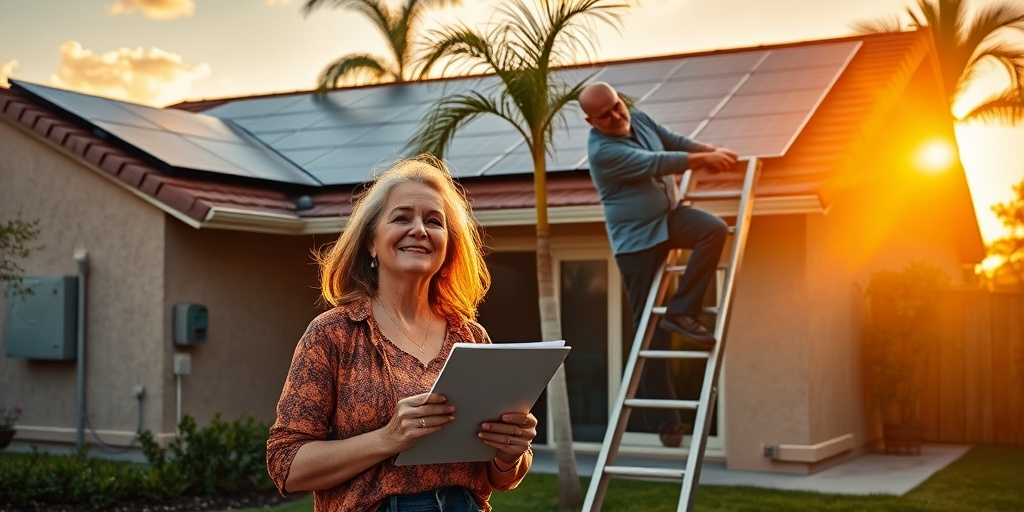
As we step into 2025, a significant year for solar energy adoption, the urgency for homeowners and commercial property owners in Florida to consider solar installations has never been greater. With energy costs soaring by an average of 20% over the past five years and Florida ranking among the top states for solar growth, the need for sustainable energy solutions is clear. In fact, research shows that 73% of Floridians are now considering solar energy as a viable option to reduce their electric bills (SEIA.org). But how do you choose the right financing options for solar panel installation that can maximize your investment and ensure long-term savings? Welcome to our comprehensive guide titled “What Are the Top Financing Options for Solar Panel Installation?” In this post, we will explore the best financing avenues for solar power systems, dispelling common myths, providing actionable checklists, and guiding you through the steps to make an informed investment.
In light of the many financing incentives available in 2025, such as the extension of the federal tax credit, Florida homeowners and businesses can benefit from lower upfront costs and manageable payment options in making a switch to solar. This article will discuss:
- Understanding Various Financing Options
- Top 5 Steps to Secure Financing
- Debunking Myths About Solar Financing
- Florida-Specific Considerations for Solar Financing
- A Technical Deep-Dive into Solar Incentives and Policies
The urgency to act is palpable as Florida grapples with grid instability and fluctuating energy prices while seeking grid independence and environmental sustainability. Join us as we uncover the best financing options to help you cut costs and harness the power of solar energy.
Explore Financing Options to Bring Solar Power to Your Home
As a Florida homeowner, understanding your financing options is crucial when embarking on your solar journey. Meet Laura, a single mother living in Orlando, who craved more than just the satisfaction of reducing her carbon footprint – she wanted peace of mind in her energy bills, too. Faced with soaring summer energy costs and extensive usage from her cooling system, Laura realized she needed a solution.
After doing her research, she discovered that various financing options could facilitate the installation of a solar panel system without breaking the bank. With incentives and financing available, she found herself exploring options. This case study highlights the steps she took to transform her home while simultaneously cutting costs.
Here’s a comprehensive checklist to analyze and evaluate financing options:
- Assess Your Financial Condition: Start by reviewing your current financial standing – your credit score, income, and existing debts will influence financing options.
- Explore Solar Loans: Research personal loans or home equity loans dedicated to solar installations. These can offer lower interest rates compared to traditional loans.
- Consider Leasing and Power Purchase Agreements (PPAs): Evaluate whether leasing solar panels or entering into a PPA is suitable for your situation. With these options, you pay monthly for the solar system you install, but you won’t own the equipment.
- Utilize Government Incentives: Take full advantage of the federal solar tax credit and local incentives available in Florida, which significantly reduce your upfront costs.
- Compare Lenders and Terms: Always shop around. Different lenders will offer unique repayment terms, interest rates, and loan products that may affect your long-term savings.
With these preliminary actions, Laura concluded that a solar loan was her best option, allowing her to take immediate advantage of incentives while spreading the costs over several years.
However, as Laura advanced in her solar journey, she confronted some myths surrounding financing options that needed debunking:
- Myth #1: Solar Systems Are Too Expensive. Many homeowners falsely assume that solar systems are cost-prohibitive. With financing options, extensive payment plans, and government incentives, most find systems far more affordable.
- Myth #2: You Must Own Your Home to Go Solar. This is incorrect. Many leases and PPAs allow renters to engage in solar energy use without outright ownership of the solar system.
- Myth #3: Financing Will Negate Your Savings. In reality, financing can save you money in the long run if done correctly. The savings from reduced energy bills often outweigh the financing costs.
- Myth #4: All Solar Installations Are the Same. Not true. The specifics of financing options depend on the particular installation and its location, impacting the incentives available.
- Myth #5: Solar Financing Is Too Complicated. While it may seem overwhelming, plenty of resources and experts, such as those at floridaelectricandsolar.com, simplify the process greatly.
Laura debunked these myths and moved onto her installation, confident in her financing choice, knowing she’d made informed decisions. To weather any financial storm, understanding local Florida incentives and regulations is also key.
Key Florida Financing Considerations for Solar Installation
For Florida homeowners interested in solar, local knowledge is essential for smart financing. Florida offers a wealth of incentives designed to ease the transition to solar. Here are several options available in 2025:
- Federal Solar Tax Credit (ITC): Homeowners can claim a 30% tax credit on the cost of solar installation, greatly reducing overall expenses.
- Florida Solar Rebate Program: Some utility companies participate in rebate programs, offering cash back for solar installations, which can be combined with the ITC.
- Net Metering: As a Florida homeowner, you can sell excess energy back to the grid, receiving credits on future bills, which makes your investment worthwhile.
- Property Tax Exemption: Solar installations in Florida are exempt from property taxes, preventing tax burdens from impacting property value.
- Low-Interest Financing Programs: Various credit unions and financial institutions in Florida offer low-interest loans tailored for solar panel installations.
With this local focus, Laura understood her benefit from these incentives, which ultimately shifted her total investment for her solar system. However, one key point to acknowledge is the technology and equipment used in solar systems.
A Technical Deep-Dive into Solar Financing Options
Understanding the technology behind solar systems and how different financing options impact your choices is crucial. There are several popular technologies in the solar space, including photovoltaic panels and battery energy storage systems. Each plays a role in your financing decisions based on costs and returns on investments.
Here’s a technical breakdown to consider:
- Photovoltaic Panels (PV): Most systems use PV panels to convert sunlight into electricity. Financing terms will often include installation and maintenance costs for these panels.
- Battery Storage Systems: For those investing in comprehensive energy systems, financing for battery storage will be critical to store generated energy for nighttime use.
- Inverters: Inverters are necessary to convert the direct current (DC) generated by solar panels into alternating current (AC) used in homes. Selecting high-quality inverters may require additional financing, but they ensure optimal system performance.
- Monitoring Systems: Real-time monitoring software or hardware can also affect overall financing costs, ensuring your system is optimized for performance and savings.
- Projected Savings vs. Costs: Always analyze projected savings over time against the various costs of financing options. An optimal system should produce significant savings beyond its costs.
Laura’s understanding of these technologies allowed her to adapt her financing choices to ensure she received the best equipment for her investment.
Next Steps for Florida Solar Buyers in 2025
As you embark on your solar journey in 2025, follow these actionable steps to secure financing and maximize your investment:
- Step 1: Evaluate Your Energy Needs: Determine your current usage and energy cost projections to articulate the size of your solar system and the corresponding financing needed.
- Step 2: Audit Your Electric Bill: Examine your last few utility bills and identify trends in your energy usage to better inform your financing strategy and system sizing.
- Step 3: Research Solar Financing Options: Take your time to compare different lenders, financing methods, and their terms, seeking out the most sustainable and cost-effective solutions.
- Step 4: Apply for Government Incentives: Ensure you apply for all applicable programs, such as the federal solar tax credit and local rebates. These can drastically reduce upfront costs.
- Step 5: Connect with Trusted Experts: Partner with reliable solar providers to guide you through the installation and financing process. Experts from floridaelectricandsolar.com can help simplify your decisions and ensure you maximize your returns.
Following these steps, just like Laura, you can approach your solar financing journey with confidence and clarity, ensuring you set yourself up for financial success while embracing renewable energy.
In conclusion, navigating the landscape of solar panel financing options in Florida requires assessing personal circumstances, challenging common myths, and understanding the diverse financing mechanisms available. As the urgency to adopt solar power intensifies in 2025, Floridians have the unique opportunity to reduce their energy costs, improve property value, and contribute to environmental sustainability. By adopting the right financing strategies and leveraging available incentives, you can transform your energy consumption and secure financial freedom. Ready to start your solar journey in 2025? Connect with a certified expert at floridaelectricandsolar.com today.
Related Articles
More insights about Solar Panel

Florida Homeowners: Why Solar Panel Maintenance Is Essential

7 Essential Steps for Solar Panel Installation Success

Expert Insights: Key Factors Influencing Solar Panel Lifespan
Ready to Go Solar?
Have questions about solar energy? Our experts are here to help you make the switch to clean, renewable energy.