
Top Reasons Florida Homeowners Should Consider Off-Grid Solar Systems
Share:
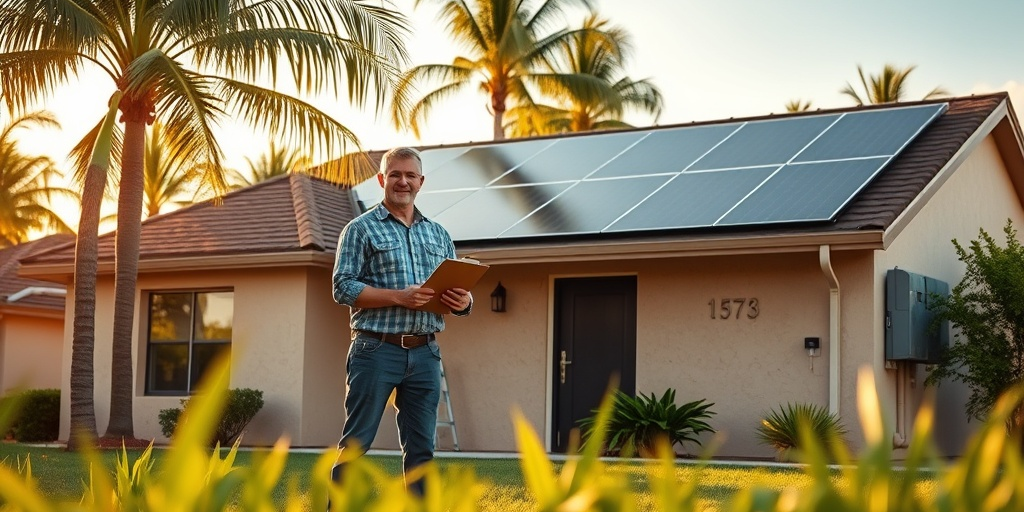
Imagine waking up each morning to the refreshing breeze of the Florida coast, knowing that you are no longer dependent on rising utility prices for your energy needs. In 2025, Florida homeowners will find themselves at a critical juncture. As energy demands continue to escalate and utility prices rise, the notion of achieving energy independence through off-grid solar systems is becoming more appealing than ever. This is why the blog post entitled Top Reasons Florida Homeowners Should Consider Off-Grid Solar Systems is not just timely; it’s crucial. According to the Solar Energy Industries Association, solar power installations in Florida have surged by over 30% in the last year alone (SEIA.org). With new state incentives, now is the right moment to make the switch. Imagine slashing your electric bills while tapping into a virtually unlimited energy source—solar power. This article will delve into five compelling reasons why now is the time to make the leap into off-grid solar, exploring a case study, key checklists, common misconceptions, Florida-specific facts, and a technical deep dive that will illuminate how you can start your solar journey.
Why Off-Grid Solar Systems Make Sense for Floridians
Consider the story of Maria, a single mother living in Gainesville. When her electricity bill hit $300 for the third consecutive month, she found herself searching for alternatives. After researching options, she discovered off-grid solar systems and their potential for energy independence. With the help of Florida Electric & Solar, Maria was able to install a complete solar system, including high-efficiency panels and smart battery storage. Not only did her monthly utility costs plummet, but she also gained peace of mind knowing that her energy supply was now resilient and sustainable.
If you find yourself like Maria, take a look at this checklist to see whether off-grid solar is right for you:
- Do you own your home? Typically, homeowners have more flexibility regarding modifications and installations.
- Are you comfortable with an upfront investment? While initial costs can be significant, many programs help offset these expenses.
- Do you experience frequent power outages? Off-grid systems offer backup power when the grid fails.
- Are you interested in reducing your carbon footprint? Embracing renewable energy can align with your eco-friendly values.
- Are rising utility costs affecting your budget? Off-grid systems can help mitigate future electric bill hikes.
Many people believe that solar systems cannot completely provide for a household’s energy needs. This is a common misconception and a myth worth dispelling. In fact, a comprehensive system often includes energy storage, ensuring households can draw on solar energy even at night.
For Floridians, statistics underscore the need for energy independence. According to the Florida Public Service Commission, electric rates have increased by an average of 5% annually over the last five years (FPSC.gov). As climate change introduces unpredictability into our energy landscape, moving to off-grid systems no longer feels like a luxury; it becomes a necessity.
Key Considerations for Off-Grid Solar Installation
Choosing an off-grid solar system is a significant decision that can provide lasting benefits. Here are key considerations that Florida homeowners should keep in mind when contemplating this shift:
- Choose the Right Location: South-facing installations maximize sun exposure, which is crucial for efficiency.
- Opt for High-Quality Panels: Invest in reputable brands that offer warranties of at least 25 years.
- Understand Battery Storage Needs: Calculate your energy consumption to determine the capacity you’ll require.
- Know Your Local Regulations: Familiarize yourself with local building codes and solar policies, which can differ across Florida.
- Work with Local Experts: Partner with a trusted company like floridaelectricandsolar.com to navigate the complexities of installation.
Remember, while embarking on the solar journey entails upfront costs, potential savings on energy bills are significant. In Florida, where electricity costs are escalating, off-grid systems can save an average homeowner quite a bit over time. The National Renewable Energy Laboratory estimates average savings of $30,000 over the lifetime of a solar system installation (NREL.gov).
Before you proceed, it’s vital to understand common misconceptions surrounding solar power. For instance, many believe that solar options are too expensive—this is simply untrue. There are numerous financing options and incentives available to Florida residents. Off-grid solar systems can ultimately offer a lower net cost than traditional energy sources over time.
Myth vs. Reality: Understanding Off-Grid Solar Systems
With so much information circulating about solar energy, it’s easy to misinterpret a few key points. Here are five myths about off-grid solar systems, along with the facts that debunk them:
- Myth #1: Solar is Only for the Wealthy. While solar may seem like a luxury, many financial aid programs exist to help homeowners transition to renewable energy.
- Myth #2: Solar Panels Are Inefficient. Modern technology has drastically improved efficiency rates; many panels now offer over 20% efficiency (SolarReviews.com).
- Myth #3: You Can’t Use Solar Power in Bad Weather. Solar panels can still generate electricity on cloudy days and with battery storage, they can provide energy even during power outages.
- Myth #4: Off-Grid Systems Are High Maintenance. Once installed, most systems require minimal upkeep, especially with robust brands.
- Myth #5: Off-Grid Means Living Without Power. On the contrary, an off-grid system enables you to fully control your energy needs and minimize dependency on the power grid.
By debunking these myths, Floridians can approach solar energy with a clearer vision of how off-grid systems work. The real beauty of switching to solar is the empowerment you gain as a homeowner. Imagine owning your power completely, setting your own energy prices, and drastically cutting down your environmental impact.
Understanding the Technicalities of Off-Grid Solar Systems
To maximize the benefits of an off-grid solar system, it’s crucial to understand the components that make it successful:
- Solar Panels: These convert sunlight into electricity. The type, placement, and orientation of panels significantly influence overall output.
- Inverters: They convert the direct current produced by the panels into alternating current, which is what your home appliances require.
- Battery Storage: This component stores solar energy for use during cloudy days or at night. Adequate storage is essential to ensure continuous power availability.
- Control Systems: Many modern systems come equipped with smart technology that allows homeowners to monitor usage and optimize performance via mobile apps.
- Backup Generators: While renewable energy will often meet energy needs, having a generator can provide peace of mind during extended outages.
Considering Florida’s climatic conditions, incorporating heating systems for water can also lead to significant savings. Studies show that an off-grid solar-powered water heater can reduce energy consumption by up to 75% (Energy.gov). This is particularly beneficial in Florida’s warmer climate, where maintaining hot water can be energy-intensive. Engaging with a trusted installer can help you create a tailored system that meets your specific needs and reduces your carbon footprint effectively.
Next Steps for Florida Solar Buyers in 2025
Embarking on the solar adoption journey requires careful planning. Here are the essential steps you can take to ensure a smooth transition into off-grid solar living:
- Step 1: Audit Your Electric Bill. Start by determining your average monthly energy consumption; this will help shape your power needs.
- Step 2: Research Local Incentives. Familiarize yourself with available federal, state, and local rebates that can ease initial expenses.
- Step 3: Consult with Experts. Reach out to professionals with proven tracks, like floridaelectricandsolar.com, and gather quotes from different vendors.
- Step 4: Choose the Right Financing. Explore financing options that suit your budget and long-term goals, like fixed-rate loans or power purchase agreements.
- Step 5: Installation and Beyond. Once you’ve decided, follow through with installation and set up monitoring systems to track your energy performance.
These steps not only break down the solar installation process but also create a manageable pathway toward energy independence. Off-grid solar systems present an array of advantages, from reducing energy costs to enhancing your home’s grid resilience. More importantly, they symbolize a stride toward sustainable living, which is especially meaningful for Florida homeowners.
To conclude, transitioning to an off-grid solar system in Florida is an investment in your home, your future, and the planet. By gaining energy independence, you’ll not only enjoy financial savings but also contribute to a brighter, cleaner future for generations to come. In a climate of rising utility costs and unstable energy sources, the time to act is now.
Ready to start your solar journey in 2025? Connect with a certified expert at floridaelectricandsolar.com today.
Related Articles
More insights about Off-Grid Solar

Myth-Buster: Off-Grid Solar Systems Are Not Always Unaffordable

What You Need to Know About Off-Grid Solar Systems

How One Florida Business Reduced Costs with Off-Grid Solar Systems
Ready to Go Solar?
Have questions about solar energy? Our experts are here to help you make the switch to clean, renewable energy.