
What Are the Top Solar Panel Maintenance Tips?
Share:
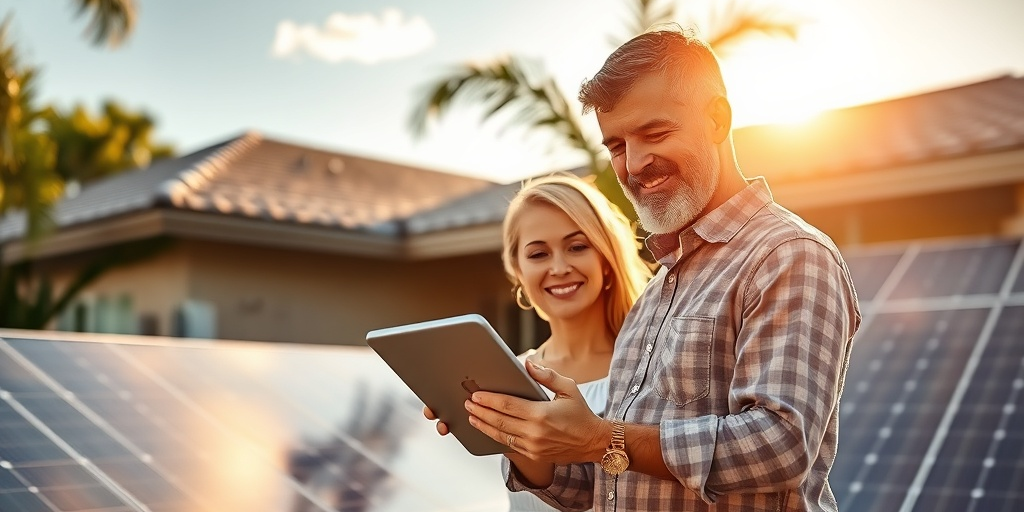
In the Sunshine State, solar energy is not just a trend—it’s a necessity. Did you know that between 2019 and 2021, Florida experienced an astonishing 32% growth in solar capacity? As homeowners increasingly turn toward renewable energy to cut soaring electric bills, the need for effective solar panel maintenance tips has never been more critical. The reality is, in 2025, maintaining your solar system efficiently will translate to increased energy savings, longer system life, and peace of mind. This guide, titled What Are the Top Solar Panel Maintenance Tips?, is designed to empower Florida homeowners and commercial property owners with the knowledge they need to maximize their solar investments today!
Amid rising energy costs and heightened environmental concerns, effective maintenance can mean the difference between a system that sails smoothly and one that falters. A recent study revealed that an estimated 80% of residential solar power systems in Florida are not operating at peak efficiency due to improper maintenance (Energy.gov). Furthermore, appropriate upkeep can enhance the longevity of your investment, with well-maintained systems lasting upwards of 25 years. This blog will cover five significant aspects of solar panel maintenance to ensure you keep your system running efficiently:
- Case Study: Understanding Maintenance Through Real-life Experience
- Checklist: Key Solar Panel Maintenance Steps
- Myth-Buster: Debunking Solar Panel Maintenance Misconceptions
- Local Focus: Solar Regulations and Maintenance in Florida
- Technical Deep-Dive: The Ins and Outs of Solar Technology Maintenance
Let’s dive into these topics and equip you with essential knowledge that will ensure your solar panels operate at their best.
Understanding Maintenance Through Real-life Experience
Meet the Johnson family, proud owners of a solar system installed on their home in Tampa, Florida. When they first transitioned to solar in 2020, they were excited to decrease their reliance on traditional energy sources. By the end of their first year, they noticed their utility bills had dropped by 50%. However, during the second year, they observed a stark decline in their energy generation output, dropping by about 30%. What happened?
Through a series of lessons learned and self-education, the Johnsons discovered the importance of maintenance to ensure the longevity and efficiency of their system. Following several maintenance tips, they revived their solar output to its original performance levels, ultimately saving thousands in energy costs. Here’s a deep dive into how they managed to turn things around:
- Regular Cleaning: The family implemented a cleaning schedule for their panels, ensuring dust, dirt, and grime that could affect efficiency were regularly cleared away. Surprisingly, dirty panels can reduce energy production by up to 25% (SolarReviews.com).
- Visual Inspections: They began performing visual inspections every three months, looking for any signs of wear, loose wiring, or other potential issues. Regular checks can catch issues early before they develop into costly repairs.
- Professional Inspections: Realizing they weren’t experts, they called in professionals for an annual inspection. According to the National Renewable Energy Laboratory, having a professional service can help detect unseen issues that may jeopardize the system’s integrity (NREL.gov).
By committing to these maintenance practices, the Johnsons not only restored their solar panel efficiency but also gained peace of mind, knowing they were making a smart investment. Homeowners can take strides like the Johnsons to ensure their solar systems continue providing energy savings without interruption.
Key Solar Panel Maintenance Steps
To effectively maintain your solar panels, adherence to a clear and concise checklist can make all the difference. Below are five essential maintenance steps that every Florida homeowner should incorporate into their routine:
- Step 1: Regular Cleaning – Schedule cleaning sessions at least twice a year, or after significant storms or dust storms. While the rain may help clean off some dirt, residential solar panels can still accumulate dust. This accumulation could greatly affect energy output.
- Step 2: Inspect Your Inverter – The inverter is the heart of your solar system, converting sunlight into usable energy. It should have a green light indicating it’s functioning. If you notice a red or orange light, it’s time to conduct further tests.
- Step 3: Look for Shade – Regularly check for any growing trees or plants that may block sunlight from hitting your panels. Even partial shading can significantly reduce performance.
- Step 4: Monitor Output Regularly – Account for seasonal variations in energy production to gauge your system’s health. If there’s a significant drop, ensure nothing is interfering with the panels.
- Step 5: Schedule Professional Maintenance – At least once a year, hire a professional for a comprehensive check-up. Besides checking for worn components, they can optimally align your panels for maximum solar gain.
From panel cleaning to professional inspections, sticking to this maintenance checklist will solidify your blistering work to keep those panels working efficiently. Consistent efforts can amplify not only energy savings but also ensure your investment remains intact in the long run. For homeowners in Florida looking for expert advice, consider reaching out to floridaelectricandsolar.com.
Debunking Solar Panel Maintenance Misconceptions
The world of solar energy is ripe with myths and misconceptions that can lead homeowners astray when it comes to maintenance. Here are a few common myths surrounding solar panel upkeep—and the truths that shatter them:
- Myth #1: Solar Panels Don’t Need Maintenance – Many homeowners believe that after installation, solar panels require no further attention. Just like any other appliance, solar panels require inspection and maintenance to operate effectively.
- Myth #2: Rain is Enough to Clean Solar Panels – While rain may wash away some dust, it doesn’t remove the grime that builds up over time. Neglecting regular cleanings can drastically reduce output.
- Myth #3: Solar Power is Only Useful in Sunny Environments – While Florida excels in sunny days, solar systems also work when it’s cloudy or rainy. Innovations in technology allow solar panels to operate effectively under various conditions.
- Myth #4: DIY Inspections Are Just as Good as Professional Ones – While basic checks are beneficial, securing professionals allows you to catch intricate issues that may go unnoticed during a simple DIY inspection.
- Myth #5: If My Panels Are Generating Power, They’re Fine – Just because your panels generate energy doesn’t mean they’re operating efficiently. Regular checks will help optimize performance and efficiency.
Understanding these myths allows Florida homeowners to approach maintenance with a well-informed perspective, ensuring their systems run smoothly and effectively over the years.
Solar Regulations and Maintenance in Florida
In Florida, the journey to solar ownership is often influenced by local regulations and incentives. Knowing the factors that implicate maintenance practices can help you stay informed. Here are some key points to keep in mind:
- Incentive Programs – Florida offers numerous financial incentives to homeowners looking to install solar. Engaging in state programs means ensuring long-term reliability of your panels, which may involve regular maintenance.
- Net Metering Programs – Under net metering, Florida homeowners can sell surplus energy back to the grid. Presence of functional solar panels directly correlates with maximizing energy consumption and revenue. A maintained system ensures you sell that excess energy effectively.
- Local Ordinances and Building Codes – Understanding local regulations will help in determining what type of maintenance is necessary. Some areas may have specific guidelines or requirements for solar panels, including inspections that should be performed regularly.
- Weather Concerns – Florida’s climate poses its own set of challenges. Humidity, storms, and high temperatures mean that regular checks for rust or deterioration on panels and connections are essential.
Staying updated on solar energy policies will safeguard not just your investment but also your energy independence in the face of climate unpredictability.
The Ins and Outs of Solar Technology Maintenance
For homeowners aiming to dive deeper into the technical side of solar maintenance, understanding how solar panels work and the technology behind them is crucial. Here’s a detailed breakdown to guide you:
- Understanding Panel Types: There are three primary types of solar panels—monocrystalline, polycrystalline, and thin-film. Each has unique maintenance needs. For example, washing monocrystalline panels regularly can improve performance significantly.
- The Role of Inverters: The inverter is central to your solar system’s performance. Certain inverter types have specific maintenance processes. It’s advisable to consult your manufacturer for any changes as technology evolves.
- Battery Systems: Homeowners who integrate battery storage into their solar systems should regularly check battery health. A poorly maintained battery could lead to energy inefficiencies and increased costs.
By understanding these technical aspects of solar systems, homeowners can actively engage in not only maintaining their systems but ensuring they are equipped with the best science available to them.
Next Steps for Florida Solar Buyers in 2025
Now that you have a comprehensive understanding of how to maintain your solar panels, it’s essential to outline actionable steps moving forward. Follow this succinct action plan to ensure your solar investment thrives:
- Step 1: Audit Your Electric Bill – Review your utility statements to understand your energy usage and set expectations for how much you aim to save through solar.
- Step 2: Research Local Solar Companies – Investigate and compile a list of reputable local solar installers. Ensure they have experience specifically in Florida’s climate and regulations.
- Step 3: Schedule an Initial Consultation – Reach out to your chosen solar providers. A consultation can help clarify your options and customize your solar system for your unique needs.
- Step 4: Plan for Solar Maintenance – As discussed earlier, integrate a solid maintenance plan into your solar ownership for both short-term and long-term benefits.
- Step 5: Get Excited About Ownership – Anticipate the shift in your energy sources! Transitioning to solar not only saves money but supports renewable energy initiatives in Florida.
Armed with this roadmap, you’re ready to take charge of your solar journey. At floridaelectricandsolar.com, our team is here and ready to guide you through this exciting world!
In conclusion, ensuring your solar energy system runs efficiently is not just about installation—it’s about proactive maintenance, informed practices, and staying engaged throughout your solar ownership journey. By employing effective maintenance tips, you safeguard not just your savings but also contribute to a sustainable future. As energy costs continue to rise and environmental concerns escalate, don’t wait for another day. Ready to start your solar journey in 2025? Connect with a certified expert at floridaelectricandsolar.com today.
Related Articles
More insights about Solar Panel

Florida Homeowners: Why Solar Panel Maintenance Is Essential

7 Essential Steps for Solar Panel Installation Success

Expert Insights: Key Factors Influencing Solar Panel Lifespan
Ready to Go Solar?
Have questions about solar energy? Our experts are here to help you make the switch to clean, renewable energy.