
The Truth About Common Misconceptions Regarding Solar Panel Lifespan
Share:
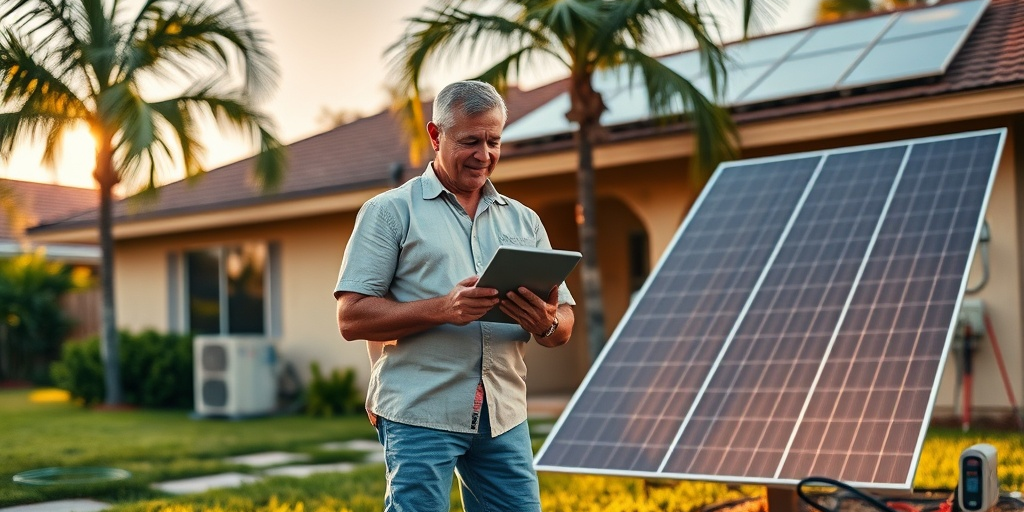
Imagine this: you’ve decided to take the plunge and harness the power of the sun. Solar panels glitter on your roof, slowly but surely cutting your electric bills and creating a cleaner world for future generations. But as you dive deeper into the world of solar, you encounter some disheartening myths that could make you second-guess your investment. This brings us to our topic today: The Truth About Common Misconceptions Regarding Solar Panel Lifespan. Did you know that most solar panels have a lifespan of around 25 to 30 years? Yet many homeowners believe they might only last a decade—this misconception alone could hinder their solar ambitions. A survey by the Solar Energy Industries Association (SEIA) indicates that almost 60% of people are unaware of the substantial advancements in solar technology over recent years, which has greatly contributed to extending panel longevity (SEIA.org). Furthermore, with energy prices projected to rise by approximately 6% per year due to supply chain uncertainties and increased demand (Energy.gov), understanding the real facts about solar panel lifespan becomes crucial as we move into 2025. With decreasing costs and increasing efficiency, there’s no better time than now to debunk these myths. In this comprehensive guide, we will tackle five key areas: The emotional journey of a Florida homeowner’s solar experience, essential steps to consider, common myths around solar lifespan, Florida-specific information, and technical insights regarding solar technology that can enhance your understanding. Let’s illuminate the truth.
Setting the Record Straight: The Real Lifespan of Solar Panels
Meet Karen and Tom, a couple living in sunny Sarasota, Florida. After purchasing their dream home, they were excited about the prospect of going green. They felt motivated not only by the idea of reducing their carbon footprint but also by the financial incentives available. However, in their research, they stumbled across a disheartening myth: many solar panels only last a short time. Feeling apprehensive, they attended local workshops where they learned about the real lifespan of solar technology, which led them to make a decision that continues to benefit them today.
In reality, most modern solar panels are designed with durability in mind and can last over 25 years, with many manufacturers offering warranties for up to 30 years or more. These are not just empty promises; the technology has advanced dramatically in recent years, allowing for enhanced durability. Another urban legend that persists is that solar panels can’t operate efficiently in cloudy weather. In Florida, we encounter our fair share of overcast days, yet data shows that solar panels produce energy even in less-than-ideal conditions, thanks to modern innovations (SolarReviews.com). The bottom line: understanding how solar panels work is essential for Florida homeowners, especially for those eyeing potential long-term savings and environmental impact.
- Case Study: After a thorough review, Karen and Tom discovered that most high-quality solar panels could last anywhere from 30 to 40 years with proper maintenance. This knowledge shifted their perspective significantly as they realized that their investment was not only wise but likely to pay dividends for decades.
- Checklist for Making an Informed Decision: Here are five steps homeowners should consider before investing in solar:
- Research High-Quality Panels: Look for solar panels with long warranties, typically 25 years or more, indicating company confidence in longevity.
- Understand Performance Guarantees: Check for initial output guarantees and how that guarantees performance for a specified number of years.
- Calculate Your Local Solar Potential: Use solar calculators or consult with professionals to evaluate how much energy your location can generate.
- Read Consumer Reports: Learn from other homeowners’ experiences and reviews about specific solar manufacturers you are considering.
- Consult Experts: Speak with local solar professionals to gain insights on the best practices tailored to Florida’s climate.
- Myth-Buster: There are common misconceptions that need debunking:
- Myth #1: Solar panels only last about 10 years. In truth, average panel lifespans are 25 to 30 years.
- Myth #2: Panels degrade quickly. While all solar panels degrade over time, most retain about 80% of their original efficiency even after 25 years (NREL.gov).
- Myth #3: Solar power is inefficient on cloudy days. Solar panels can still capture some sunlight, generating energy even on overcast days.
- Myth #4: Once panels are installed, there’s no maintenance required. Regular cleaning and inspections can help maximize performance.
- Myth #5: Solar is only viable for new homes. Existing homeowners can still upgrade their energy systems.
- Local Focus: Florida has one of the highest rates of solar panel installations in the U.S., with projections estimating potential growth rates of 15% by 2025 (Solar.com). This growth leads to better financing options and more educated installers.
- Technical Deep-Dive: Modern panels are made from innovative materials like monocrystalline and polycrystalline silicon, both of which offer durability. Monocrystalline panels tend to be more efficient but can come at a higher price. Understanding these aspects can help you make the right choices.
It is evident that the notion of a short solar panel lifespan is outdated. With advancements in technology and the wealth of resources available for education, homeowners like Karen and Tom can confidently embrace solar energy, knowing they have made a long-term investment.
Common Misconceptions About Solar Panel Lifespan
Let’s delve deeper into the common misconceptions about solar panel lifespan. Tackling these will not only arm you with appropriate knowledge but will also help shine a light on why investing in solar power is a wise decision.
- Myth #1: Solar panels are not aimed for long-term investments. While some original systems had short lifespans, advances in technology have made it common for panels to now last upwards of 30 years. Many reputable companies offer warranties that echo these advancements, compensating for any potential degradation.
- Myth #2: My electric bill will rise regardless of solar. The fact is that relying on a solar system can offset energy demand and keep bills low, saving homeowners money overall.
- Myth #3: My panels can’t withstand weather extremes. Modern solar panels undergo rigorous testing and are designed to withstand Florida’s extreme conditions, from heavy rain to intense heat.
- Myth #4: Solar energy doesn’t contribute to grid security. Decentralized energy resources, like solar panels, bolster grid resilience by reducing reliance on centralized fossil fuel systems.
The more you know, the smarter your investment will be. Facts and figures about modern solar technology highlight its advantages and capabilities over outdated systems. The potential for stability and energy independence makes solar an attractive investment as Florida homeowners prepare for the challenges of the future.
5 Expert Solar Installation Tips for 2025
Ready to make the leap to solar energy? Here are five expert solar installation tips for 2025 to ensure you get the most value out of your investment.
- Choose the Right Installation Company: A reputable solar installation company will have a solid track record and can provide case studies or testimonials from satisfied customers. Look for companies like Florida Electric & Solar with expertise in the field.
- Review Your Energy Needs: Analyze past electricity bills and determine your average energy usage. This insight will help size the system properly for your unique needs.
- Consider Roof Condition: Prior to installation, ensure that your roof is in good condition. Any required repairs should be completed first to maximize longevity.
- Assess Solar Incentives: Be aware of available federal and state incentives that can reduce your upfront costs. These can significantly impact your return on investment.
- Plan for Future Growth: Think about potential future electrical needs, such as electric vehicles or home expansions. Tailor your solar system to accommodate these developments.
These tips, in combination with the real data mentioned in the article, provide a roadmap ensuring your foray into solar energy is smooth, financially sound, and beneficial to the environment.
The Journey of a Florida Homeowner Going Solar
Let’s take a closer look at the journey of a Florida homeowner investing in solar energy. Meet Michelle, a nurse from Tampa, who decided to install solar panels in 2023. She had been following solar energy trends and realized the increasing energy costs were cutting into her savings. Eager to explore alternatives, she reached out to a local solar provider and learned invaluable information.
Michelle quickly grasped the impact of weather and sunshine when evaluating her location’s solar potential. Like many others, she initially felt overwhelmed by the technical details surrounding installation and technology. However, through educational resources and consultation with professionals, she became informed about viable options tailored for Tampa’s climate.
- Research Options: Michelle researched various panel types and found solar panels that delivered performance guarantees and warranties extending beyond 25 years.
- Plans for Energy Independence: Having understood the long-term financial benefits, Michelle signed a purchase agreement after comparing several quotes.
- Financing Decisions: Exploring financing options, she leveraged federal and state tax incentives, significantly offsetting her upfront costs.
- Installation Experience: Installation took place in a day, and the professionalism displayed by the crew built Michelle’s confidence in her choice.
Within months, she was observing a noticeable drop in her energy bills—one of her primary motivations for going solar. As her panels performed well through the Florida climate, Michelle documented her experience to share with friends and family, encouraging them to consider solar energy as a viable option. Seven months later, she proudly announced that her solar panels were producing energy and saving her significant amounts annually. Michelle’s journey is a testament that properly addressing misconceptions surrounding solar panel lifespan is an empowering experience.
Next Steps for Florida Solar Buyers in 2025
If you are a Florida homeowner, ready to explore solar energy? Follow this action plan to ease your journey:
- Step 1: Audit Your Electric Bill: Begin by examining your last six electricity bills to identify your baseline energy consumption. This will inform your decision as you embark on your solar journey.
- Step 2: Research Local Solar Companies: Choose a credible solar company like Florida Electric and Solar. Reputation and experience matter in ensuring a quality installation.
- Step 3: Inquire About Warranties: Secure information regarding warranties on panels and inverters, as these can affect your long-term costs and benefits significantly.
- Step 4: Schedule a Consultation: Engage with a solar consultant who can guide you through the installation process and clarify any doubts regarding returns on investments.
- Step 5: Embrace the Sun! Once you make the investment, enjoy the benefits of monthly savings, environmental impact, and energy independence as your system generates clean energy.
Each step in this action plan caters to potential hurdles, armed with logical and practical solutions. Showcasing the benefits of solar energy gives Florida homeowners encouragement to embrace solar power confidently.
In conclusion, understanding The Truth About Common Misconceptions Regarding Solar Panel Lifespan equips Florida homeowners with the knowledge needed to make informed decisions. As described in Karen, Tom, and Michelle’s stories, the journey to solar energy promises not just technological advancements but a path to financial savings and environmental stewardship. The urgency to act is heightened with rising energy costs, new incentives, and the demand for sustainable lifestyles. Ready to start your solar journey in 2025? Connect with a certified expert at floridaelectricandsolar.com today.
Related Articles
More insights about Solar Panel

Florida Homeowners: Why Solar Panel Maintenance Is Essential

7 Essential Steps for Solar Panel Installation Success

Expert Insights: Key Factors Influencing Solar Panel Lifespan
Ready to Go Solar?
Have questions about solar energy? Our experts are here to help you make the switch to clean, renewable energy.