
The Truth About Common Solar Panel Installation Myths
Share:
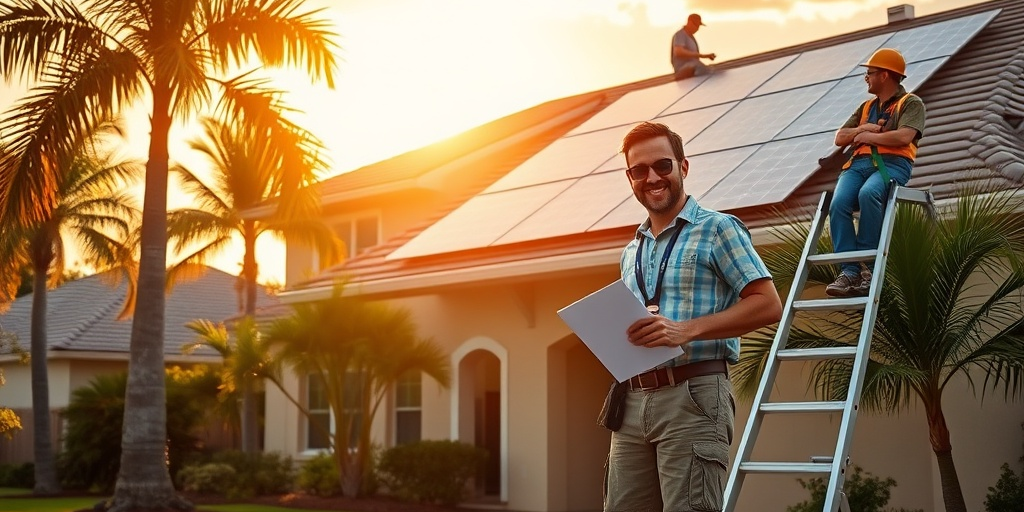
While many Florida homeowners are eager to embrace solar energy, a cloud of misinformation often overshadows the benefits of solar panel installation. Surprising statistics show that 70% of people believe at least one solar myth, which can lead to hesitation in adopting this transformative technology (SolarReviews.com). In fact, the myth surrounding solar power has created massive energy inefficiencies for consumers, costing homeowners thousands in electricity bills that could be saved through solar energy. As we step into 2025, it is critical to dispel these myths—after all, Florida is projected to increase its solar energy capacity by over 20% in the next few years (SEIA.org). This article, titled The Truth About Common Solar Panel Installation Myths, seeks to unveil the realities behind solar panel installation so that you can enhance your energy independence and significantly save on energy costs.
In this blog post, we will delve into five informative sections:
– **A compelling narrative** that illustrates the solar journey of a Florida family, helping decode societal fears around solar energy.
– A practical **checklist** that provides actionable steps for homeowners considering solar installation, ensuring that no stone is left unturned.
– An insightful **myth-busting** segment to demystify the most prevalent misconceptions about solar panel installation.
– A **local focus** on specific statistics and policies relevant to Florida, making the discussion pertinent to your situation.
– A comprehensive **technical deep-dive** that outlines how solar technology changes ownership patterns and energy billing processes.
By the end of this exploration, readers will be equipped not only with facts but also with the confidence to begin their solar journey in 2025.
The Solar Journey of a Florida Family: A Case Study
Meet the Parkers—a family of four residing in Orlando, Florida. Like many households, they found their electricity bills soaring during the sweltering summer months. With their HVAC system running constantly, the annual energy costs reached upwards of $3,000, causing financial strain on their budget. Awareness of solar power piqued their interest when a neighbor installed solar panels and shared their success story. Within a year of installation, their bills had drastically reduced to under $600 annually, providing a much-needed financial reprieve.
Despite their initial excitement, the Parkers were still ambivalent, haunted by several myths surrounding solar panel installation. Fears around high costs, complexity, and potential inefficiencies held them back. This hurdle is a common one; many Florida homeowners feel overwhelmed by misinformation. So, they conducted extensive research, aligning their skepticism with facts. Here’s a checklist they followed to overcome their doubts and make an informed decision:
- Research Solar Technology: Delve deep into how solar panels work and the various types available—not all systems are created equal.
- Consult Solar Pros: Set up consultations with reputable Florida solar companies. Ask about warranties, installation processes, and long-term savings.
- Assess Local Policies: Familiarize yourself with solar incentives specific to Florida, including tax credits and rebates that can significantly round off installation costs.
- Calculate Potential Savings: Utilize online calculators to estimate how much you could save on energy costs with solar. (As of 2022, Florida homeowners experienced an average savings of over $1,500 per year once switching to solar, solidifying its financial viability.)
- Talk to Your Neighbors: Word of mouth can be invaluable. Discuss experiences with previously installed solar panels with trusted friends or family.
After a thorough investigation, the Parkers took the leap and decided to install solar panels. Florida-specific resources helped affirm their decision, especially knowing the state would provide them with a 26% federal tax credit for their investment. What they initially perceived as a daunting commitment turned into a roadmap toward financial freedom and energy independence. Their story echoes the collective experience of many homeowners in Florida making a similar choice.
As they approached installation, apprehensions about the solar panel efficiency lingered. Here, we break down myth #1 that often stifles curiosity about solar technology. Many believe that solar panels are ineffective in cloudier conditions or during the winter. In reality, solar panels are designed to capture light, not heat. Studies show that even on overcast days, panels can produce significant energy—around 20 to 30% as effectively as they would on sunny days (Energy.gov). The Parkers, now equipped with solar technology, proudly join the community of forward-thinking Floridians determined to overcome the tidal wave of misinformation.
Equipped with credible data, the Parkers transformed skepticism into action and now enjoy lower monthly bills and an eco-friendly footprint. One enlightening transition was diving into their billing processes. With the help of their solar installation team, they discovered net metering—a significant boon in Florida’s sunny climate. They learned how unused energy gets fed back into the grid, allowing them to earn credits for future use. With each kilowatt-hour produced, the Parkers fearlessly stepped into the future of housing, proud to embrace the solar evolution.
As they transitioned from consumers to proactive energy owners, Florida’s policies further supported their commitment. They stand as an inspiring example of how transparency and education can empower homeowners, allowing them to cut through myths and seize the advantages of solar energy without hesitation.
Myth-Busting the Myths of Solar Panel Installation
Solar energy myths are prevalent and can often deter homeowners from pursuing solar installations. Let’s bust some myths right now:
Myth #1: Solar Panels Don’t Work in Cloudy Weather.
Contrary to popular belief, solar panels function effectively even in cloudy conditions. While sunny days produce optimal energy, panels can still harness enough sunlight to produce power—around 20-30% of their capacity on overcast days (NREL.gov).
Myth #2: Solar Power Is Too Expensive.
Many believe the initial costs of solar installation are out of their reach. However, with advancing technology and various incentives available in Florida, including tax credits and financing options, solar energy is more accessible than ever. Homeowners can expect to see a return on investment over time, making it a financially sound choice.
Myth #3: Solar Panels Require Constant Maintenance.
While it’s true that solar panels require some level of maintenance, it’s minimal compared to traditional energy systems. Most systems just require a quick cleaning and routine inspections, often resulting in a mere couple of hours per year (SolarReviews.com).
Myth #4: My Home Isn’t Suitable for Solar Panels.
Many homeowners fear their properties aren’t suitable for solar panels because of roof orientation or shade. Local solar companies provide assessments to determine the best configurations for optimal solar energy production. Sunlight is the most crucial factor, and many homes are compatible with solar technology.
Myth #5: Solar Panels Will Reduce My Property Value.
This myth has been widely debunked! In fact, homes with solar panels often see an increase in property value. A recent study showed that properties with solar systems sold for $15,000 more than those without (SEIA.org).
Understanding these myths is vital for Florida homeowners considering solar. With the information now laid bare, potential buyers can see through the haze of misinformation and take informed action toward advancing their energy independence. Additionally, the Parkers’ success story highlights that tapping into credible resources yields not just savings but long-lasting satisfaction.
Expert Tips for Seamless Solar Installation in Florida
As we gear up for 2025, it’s essential to be informed before diving into solar power. Here are five expert tips that can smoothen your solar installation journey in Florida:
Tip #1: Choose the Right Time for Installation.
While Florida enjoys sunshine year-round, consider scheduling your installation during the slow season for solar companies. Early spring or fall may yield better pricing and more availability. Prepare yourself to enjoy the benefits of solar energy even before peak demand hits.
Tip #2: Understand Solar Financing Options.
With enticing financing options available, including zero-down leases and Power Purchase Agreements (PPAs), Florida homeowners can effectively manage initial costs while enjoying the benefits of solar power. Crunch the numbers and choose the option that aligns with your financial strategy.
Tip #3: Collaborate with a Reputable Solar Company.
Ensure you partner with an experienced and certified solar installation company. Successful installations hinge on trusted professionals who can provide a clear understanding of the technology, potential issues, and code compliance, allowing for a smooth project.
Tip #4: Monitor Panel Performance Post-Installation.
Regularly monitor your solar panel production through the system’s app or digital interface. Assessing energy output can help you identify potential maintenance needs and ensure optimal performance moving forward.
Tip #5: Educate Yourself on Local Permits and Regulations.
Florida regulations can vary, so stay informed about local ordinances governing solar installations, such as building codes, permits, and interconnection standards. Local laws can create noteworthy differences in what you can do with your solar system.
Taking these steps not only streamlines your experience but also puts you in control of your investment, maximizing your solar savings potential while ensuring your peace of mind.
Unfolding the Energy Future of Florida Homeowners
As we take a stroll through 2025, we’re entering an era in which solar energy isn’t just a buzzword; it’s a lifestyle choice for many Florida homeowners. With more than 1.8 million solar installations projected in Florida homes by 2030, it’s evident that solar technology is beginning to take root as a sustainable energy source.
To illustrate the optimistic future facing Floridians, consider the case of the Carter family from St. Petersburg. After grappling with rising utility costs, the Carters made the switch to solar energy. In doing so, they leapfrogged several barriers, ranging from solar financing to understanding the net metering policy in their area. They were able to realize an upfront payment that allowed them access to an energy-efficient home that thrives in Florida’s abundant sunlight. Here are a few takeaways from their story:
- **Community Support:** Their neighborhood solar initiative connected them with various resources and collaborations, making the switch feel like a community effort.
- **Economic Benefits:** On average, they decreased their annual energy costs from $2,400 to less than $500, cementing solar as a financially wise decision.
- **Environmental Impact Awareness:** Their journey toward solar energy heightened their awareness of environmental sustainability, encouraging both behavioral changes and advocacy toward more green initiatives.
- **Confidence in the Future:** As proud solar users, they have shifted their mindset, no longer simply waiting for utility companies to dictate energy prices; they are now active participants in the solar energy revolution.
Florida’s solar journey is compelling for homeowners ready to invest in their future. Solar energy technology is evolving at an unprecedented rate, which will undoubtedly shape the landscape of energy consumption. The emergence of battery storage technologies and revamped policies significantly enhances solar systems with energy independence, further sealing the viewpoint that solar energy isn’t just a trend—it’s the future.
Next Steps for Florida Solar Buyers in 2025
Are you ready to be part of the solar revolution? Here’s a succinct checklist to guide you on your solar journey:
- Step 1: Audit Your Electric Bill. Assess your current energy expenditures to understand the potential for savings with solar energy.
- Step 2: Conduct a Home Energy Assessment. Identify areas where energy efficiency can be improved before installation to maximize solar benefits.
- Step 3: Research Solar Companies. Look for reviews, testimonials, and local recommendations for reliable solar installers in your area.
- Step 4: Explore Financial Options. Review potential financing routes including loans, leases, and government incentives available in Florida.
- Step 5: Enroll and Install. After all checks are made, enroll in an installation plan with a reputable company and look forward to a sustainable future!
By following these steps, you may uncover a future filled with energy independence, savings, and environmental awareness. Floridians are stepping forward, ready to own their power—a decision not only rooted in personal benefit but also in contributing to a greener world.
In conclusion, the journey toward solar energy in Florida is both a personal and collective endeavor. The truths behind common solar panel installation myths can empower individuals to make informed decisions, enhancing their lives, wallets, and environment. As our planet’s energy demands rise and climate discussions heat up, your choice to switch to solar can establish a ripple effect that echoes through communities. So, are you ready to take the next step on this green path?
Ready to start your solar journey in 2025? Connect with a certified expert at floridaelectricandsolar.com today.
Related Articles
More insights about Solar Panel

Florida Homeowners: Why Solar Panel Maintenance Is Essential

7 Essential Steps for Solar Panel Installation Success

Expert Insights: Key Factors Influencing Solar Panel Lifespan
Ready to Go Solar?
Have questions about solar energy? Our experts are here to help you make the switch to clean, renewable energy.