
The Truth About Solar Panel Lifespan: Debunking Common Myths
Share:
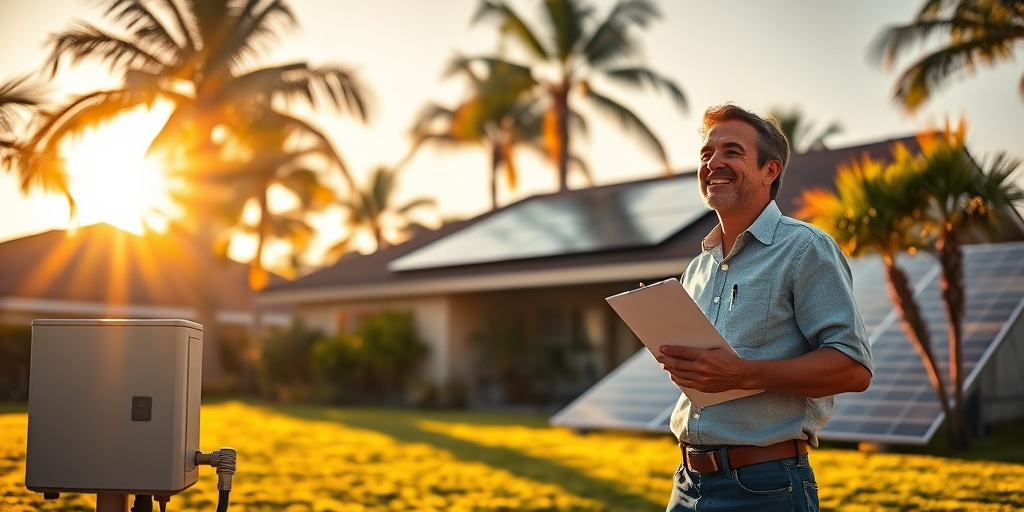
Imagine waking up to the sound of your air conditioning humming away on a scorching Florida day, yet not a single drop of sweat collects on your brow due to overwhelming power bills. Can solar energy truly empower you to cut significant costs while enhancing your home’s value? The answer lies in understanding your investment—specifically, the truth about solar panel lifespan and the myths that cloud it. In this enlightening article titled The Truth About Solar Panel Lifespan: Debunking Common Myths, we will shatter misconceptions while highlighting how maximizing your solar investment can lead to long-term savings. According to the Solar Energy Industries Association, the average solar panel has a lifespan of 25-30 years, yet many homeowners remain misinformed about their true durability and utility (SEIA.org). Furthermore, with power rates in Florida steadily increasing 10-15% annually, having accurate information in 2025 on how to invest in solar is more critical than ever (Energy.gov). In the sections that follow, you’ll discover an in-depth examination of solar durability, a detailed checklist for installation, insight into common myths surrounding solar panels, a local focus on Florida’s solar policies, and a comprehensive technical deep-dive into the workings of solar systems. Ready to learn more?
The Real Lifespan of Solar Panels and Why It Matters
The lifespan of solar panels is a topic mired in conflicting claims and persistent myths. Allow me to share the story of the Henderson family, residents of central Florida. After investing in a solar energy system four years ago, they experienced setbacks due to misinformation. Initially convinced that solar panels only lasted around 10 years and would require constant replacement, the family hesitated while contemplating their future energy needs. Eventually, by researching and consulting with solar experts, the Hendersons learned the truth about solar panel longevity and happily discovered that their investment would yield a return over 25-30 years. This revelation not only alleviated their concerns; it also helped them to save thousands on their energy bills.
Now, let’s delve into some actionable steps that can help not only the Hendersons but any Florida homeowner navigate the complexities of solar panel lifespan:
- Research your solar panel warranty. Always check for warranties ranging from 20 to 25 years, which indicate manufacturer confidence in the product.
- Understand efficiency ratings. Many high-quality panels lose only about 0.5% efficiency per year, meaning you could yield usable energy for decades.
- Conduct regular maintenance. Schedule assessments to ensure that debris or damage doesn’t shorten your solar panels’ operational life.
- Monitor performance. Use tools provided by your installer to track energy output and maintain peak efficiency.
- Utilize local benefits and guidelines. Familiarize yourself with Florida’s specific solar incentives and rebates that support your long-term investment.
Now that you have a checklist to guide you, let’s tackle some common myths surrounding solar panel lifespan. There are many misconceptions that can cloud your judgment when considering this innovative technology.
Debunking Common Solar Myths
The truth about solar panel lifespan is often obscured by myths that deter homeowners from converting to solar technology. Here are a few common beliefs debunked:
- Myth #1: Solar panels need to be replaced every 10 years. Many homeowners mistakenly believe that solar panels have an average lifespan of a mere decade. In fact, most panels will last between 25-30 years with proper care, maintaining a higher efficiency than expected (Energy.gov).
- Myth #2: Solar panels stop generating energy after a certain age. Another common belief is that solar panels become completely ineffective as they get older. In reality, even after 25 years, good-quality panels can still produce around 75-85% of their rated output (NREL.gov).
- Myth #3: All solar panels perform equally. Not all solar panels are created equal. Depending on the brand and technology, you have monocrystalline, polycrystalline, and thin-film panels that differ in efficiency and durability, so it’s critical to understand the differences before purchasing (SolarReviews.com).
- Myth #4: Extreme weather will ruin solar panels. Florida homeowners may worry about hurricanes or strong wind storms damaging their solar systems. However, reputable panels are built to withstand adverse weather conditions, often rated for high-wind zones (SEIA.org).
- Myth #5: Solar installation is too expensive. While the initial cost may seem prohibitive, the return on investment often outweighs these concerns. With federal tax incentives, state rebates, and financing options readily available, now is a prime time to invest (Energy.gov).
By debunking these myths, homeowners can approach solar energy with confidence. Now, let’s focus on the local policies and benefits available to Floridians considering a shift to solar.
Florida’s Local Solar Policies and Benefits
The advantages of solar energy in Florida tie deeply into state legislation. Specifically, Florida has consistently prioritized solar development through policies designed to ease the transition to renewable energy. Homeowners can take advantage of numerous incentives that bolster their investment. For instance:
- Property Tax Exemption: In Florida, the installation of solar energy systems is exempt from property tax, which means your investment cannot increase your tax liability.
- Sales Tax Exemption: The state offers an exemption from sales tax for solar energy systems, making the initial purchase slightly more affordable.
- Net Metering: Florida’s net metering laws allow solar power users to get credited for excess electricity that their systems produce and feed back to the grid, considerably reducing utility bills.
- Incentives from Utilities: Many utilities offer rebates and incentives for solar installations, providing additional financial benefits to homeowners making the switch to solar (DSIREUSA.org).
Understanding these policies and taking advantage of programs available in Florida can significantly improve your savings. Now, let’s turn our focus to some best practices for solar installation and maintenance as we move toward 2025.
5 Expert Solar Installation Tips for 2025
As you consider installing solar panels, keep in mind the following tips for maximizing your investment in 2025:
- 1. Don’t skimp on panel placement. Proper orientation and positioning are critical to ensuring optimal energy efficiency. Panels should ideally be placed facing south or southwest for maximum sunlight exposure.
- 2. Invest in high-efficiency panels. While upfront costs may be higher, high-efficiency solar panels have a greater output and a longer lifespan, offering better returns overall.
- 3. Don’t ignore your inverter choice. The inverter plays a crucial role in converting solar energy into usable electricity. Choosing a high-quality inverter will boost energy production and prolong system efficacy.
- 4. Consider battery storage. Pairing your solar installation with a battery storage option allows you to retain energy for peak usage times, ensuring reliability during grid outages.
- 5. Stay updated on local regulations. Florida’s evolving solar landscape means that new regulations can arise. Monitoring these changes helps ensure compliance and maximizes benefits (FloridaElectricandSolar.com).
Following these best practices can safeguard your solar investment. Now, let’s take a closer look at the journey of a typical Florida homeowner transitioning to solar energy.
The Solar Journey of a Fictional Florida Homeowner
Meet Sarah, a fictional homeowner living in the sunny beaches of Fort Myers. Initially skeptical about the durability and return on her investment, she painstakingly researched solar after watching her electric bill skyrocket over the years. With my disclosures from friends and family who had successfully transitioned to solar, Sarah became excited but still hesitant. Her journey began with:
- **A detailed audit of her energy needs,** identifying that her monthly electric bills had escalated nearly 20% each year.
- **Consulting with professional solar installers** at Florida Electric & Solar, where she received a free energy assessment to understand solar capacity.
- **Researching financing options** such as PACE financing, which allows homeowners to repay the cost through property taxes.
- **Reviewing warranties and efficiency ratings** of different solar panel options, ultimately determining that a specific brand would provide her with peace of mind.
As Sarah completed her installation, she was amazed to discover that the average lifespan of her solar panels would last her well into her retirement years. Today, she enjoys significant savings while contributing to environmental sustainability. Sarah’s story underscores the importance of meticulous research and preparation. Rates for solar energy continue to drop as technology advances, enhancing accessibility, while government incentives persevere. As solar power adoption surges, understanding your options in Florida is more crucial than ever for prospective homeowners.
Next Steps for Florida Solar Buyers in 2025
To maximize your transition to solar energy, follow this actionable plan tailored for Florida homeowners:
- Step 1: Audit Your Electric Bill. Take a deep dive into your recent electric bills to identify patterns of energy use and determine if solar can benefit you.
- Step 2: Assess Your Property. Understand if your roof or property has sufficient sunlight and space for solar panels without shading from trees or structures.
- Step 3: Research Installers. Compare different local solar installers and their offerings, including warranties, maintenance options, and customer service.
- Step 4: Understand Financing Solutions. Explore financing options such as loans, leases, or power purchase agreements to find the best choice for your financial situation.
- Step 5: Submit Applications for Incentives. Take full advantage of local, state, and federal incentives by completing necessary applications when prompting your installation.
By following this structured action plan, you not only simplify your path to solar energy but also enhance your prospects for a valuable, long-term investment.
In conclusion, understanding the truth about solar panel lifespans is imperative for Florida homeowners aiming to harness the power of renewable energy in 2025. Debunking prevalent myths exposes the potential savings and environmental benefits associated with solar energy. The enhanced longevity of quality panels can yield returns that benefit both your finances and the planet for decades.
As you consider making this vital transition, remember that knowledge truly is power. Imagine a future where your home runs efficiently on clean energy, with lower bills and increased independence from the grid. With Florida Electric & Solar by your side, you can confidently embark on your solar journey.
Ready to start your solar journey in 2025? Connect with a certified expert at floridaelectricandsolar.com today.
Related Articles
More insights about Solar Panel

Florida Homeowners: Why Solar Panel Maintenance Is Essential

7 Essential Steps for Solar Panel Installation Success

Expert Insights: Key Factors Influencing Solar Panel Lifespan
Ready to Go Solar?
Have questions about solar energy? Our experts are here to help you make the switch to clean, renewable energy.